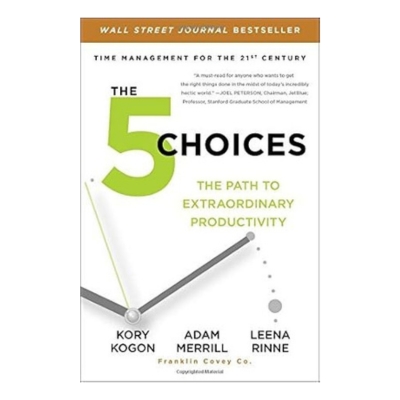
 In a fast-paced world where change is the only constant, personal growth is not just an option but a necessity. Personal growth, the conscious pursuit of self-improvement in various areas of life, can lead to profound changes in your mindset, relationships, career, and overall well-being. In this blog, we’ll explore the importance of personal growth, how to get started, and practical strategies to help you on your journey to becoming the best version of yourself with Kory Kogon, one of the authors of the book The 5 Choices: The Path to Extraordinary Productivity.
Section 1: Understanding Personal Growth
Personal growth is a lifelong process of developing your skills, knowledge, and emotional intelligence. It’s about pushing beyond your comfort zone, overcoming challenges, and setting goals that lead to a more fulfilling and purposeful life. Personal growth can manifest in various areas, such as improving relationships, enhancing career prospects, or achieving physical and mental well-being.
Section 2: Why Personal Growth Matters
Personal growth is crucial for several reasons:
Self-Awareness: It helps you understand your strengths, weaknesses, and the areas you need to work on.
Resilience: It builds the mental and emotional strength to face life’s challenges.
Success: Personal growth is often linked to success, as it involves continuous learning and adaptation.
Happiness: Engaging in personal development can lead to a greater sense of satisfaction and happiness.
Section 3: How to Get Started on Your Personal Growth Journey
Starting your personal growth journey can be both exciting and daunting. Here are some steps to help you begin:
Set Clear Goals: Identify specific areas of your life where you want to see improvement.
Create a Plan: Develop a step-by-step plan with actionable tasks to achieve your goals.
Embrace a Growth Mindset: Believe that you can grow and improve through effort and learning.
Seek Feedback: Ask for constructive feedback from others to gain insights into areas for improvement.
Be Patient: Personal growth is a gradual process; don’t rush it.
Section 4: Practical Strategies for Personal Development
Effective strategies to foster personal growth:
Continuous Learning: Enroll in courses, read books, and stay curious.
Mindfulness and Meditation: These practices can help increase self-awareness and reduce stress.
Physical Health: Regular exercise and a balanced diet contribute significantly to mental and emotional well-being.
Journaling: Writing down your thoughts and experiences can help you reflect and gain clarity.
Networking: Surround yourself with people who inspire and challenge you.
Section 5: Overcoming Obstacles in Personal Growth
Obstacles are a natural part of any growth journey. Common challenges include fear of failure, procrastination, and self-doubt. To overcome these:
Acknowledge and Accept: Recognize the obstacle and accept it as part of the process.
Break It Down: Divide large challenges into smaller, manageable tasks.
Stay Persistent: Keep pushing forward, even when progress seems slow.
Celebrate Small Wins: Acknowledge and celebrate the milestones along your journey.
Conclusion:
Personal growth is an ongoing journey that requires commitment, effort, and a willingness to embrace change. By understanding its importance and adopting practical strategies, you can unlock your full potential and lead a more purposeful and fulfilling life. Remember, the path to personal growth is unique to each individual, so take your time, stay patient, and enjoy the process of becoming the best version of yourself.
You may also refer to the transcripts below for the full transciption (not edited) of the interview.
[fusebox_transcript]











Leave a Reply