

with Richard Orlando
Feb 9, 2026
Inside Personal Growth
Listen on your favorite platforms
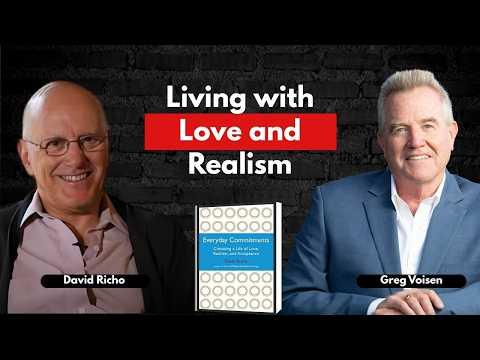
In a recent episode of the Inside Personal Growth podcast, I had the pleasure of sitting down once again with Dr. David Richo. David, a renowned psychotherapist and author of over 20 books, including Everyday Commitments, shared deep insights on how we can bring more integrity, love, and realism into our lives. His teachings, which blend Jungian, Buddhist, and mystical perspectives, offer a unique path to personal growth and acceptance.
David explained how his work in an alcohol recovery program inspired him to expand the traditional 12-step inventory. The inventory helps individuals identify how they’ve hurt others and how to make amends. However, David saw a broader opportunity: he wanted to encourage people to look at how they may not have acted with integrity or love, and how they can correct this. This inspired the creation of 52 commitments, one for each week of the year, designed to foster self-respect, love, and acceptance in everyday life.
One of the key ideas in Everyday Commitments is the importance of saying “yes” to reality. Life is full of givens—things we cannot change, such as suffering, uncertainty, and the fact that plans don't always work out. David encourages us to stop fighting these realities and instead, accept them with an "unconditional yes." This doesn't mean giving up, but rather recognizing what we can and cannot control. The Serenity Prayer, famously written by Reinhold Niebuhr, encapsulates this beautifully: “God grant me the serenity to accept the things I cannot change, courage to change the things I can, and wisdom to know the difference.” David explains that when we stop quarreling with reality and accept life’s givens, we can achieve greater peace and minimize stress. Acceptance becomes a way to maintain emotional balance amidst life’s ups and downs.
Another key theme in the conversation was the cultivation of loving kindness, especially toward ourselves. David defined love as a “caring, committed connection,” and this extends to how we treat ourselves. Practicing self-love involves caring for our physical and emotional well-being, committing to a life of integrity, and maintaining a connection with our inner selves. For those struggling with self-criticism or low self-esteem, David suggests small acts of self-care as expressions of love. Asserting oneself in a respectful manner, or simply acknowledging one's feelings without judgment, are steps toward fostering this loving kindness.
Fear often stands in the way of personal growth. David pointed out that while we can never be entirely free of fear, we can free ourselves from its grip. This means recognizing fear, but not letting it drive our actions or stop us from doing what we want to do. David’s book When Love Meets Fear offers affirmations to help release unhealthy fears and embrace life's challenges. He also offers free resources on his website, including audio affirmations that can help anyone let go of fear: Listen to affirmations for letting go of fear.
Practicing gratitude plays a significant role in David's philosophy. He emphasized that gratitude is not just a practice, but a way of shifting our mindset. By focusing on the gifts life gives us, whether they come through effort or grace, we can overcome feelings of entitlement and reduce stress. Mindfulness, deep breathing, and accepting what is are all tools David recommends for reducing stress and staying committed to our life's purpose. He encourages a daily mindfulness practice to keep stress in check and cultivate a sense of serenity.
David concluded our conversation by discussing the importance of authenticity and egoless intimacy. To create meaningful relationships, we must let go of our ego’s need for control and validation. This requires humility, shadow work, and a willingness to show ourselves as we truly are—warts and all. If you’re interested in diving deeper into David’s teachings, I highly recommend his book Everyday Commitments: Choosing a Life of Love, Realism, and Acceptance, available in Kindle format. You can learn more about David Richo and his work on his website: David Richo. For those eager to get the book, you can purchase it here.
You may also refer to the transcripts below for the full transciption (not edited) of the interview.
Continue Listening