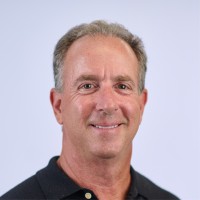
In this episode of Inside Personal Growth, Greg Voisen sits down with Larry Kesslin, a serial entrepreneur, “Chief Connector,” and author who is on a mission to help people transition from a life of “traditional success” to one of deep, abiding joy. After decades of climbing the corporate ladder—moving from an ego-driven engineering role at General Electric to building and selling successful companies—Larry realized that he had checked every box society demanded, yet his internal “joy meter” remained empty.
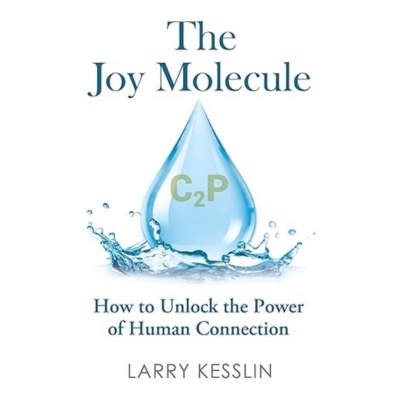
In this candid conversation, Larry discusses the philosophy behind his latest book, The Joy Molecule: How to Unlock the Power of Human Connection, and shares how a transformative trip to Africa and a dedicated meditation practice helped him redefine what it means to live a meaningful life.
The Success Paradox: Why Happiness Isn’t Enough
Many high achievers suffer from a “success paradox.” They have the house, the car, the titles, and the bank account, yet they wake up with a nagging sense of “Is this all there is?” Larry Kesslin identifies this as the difference between happiness and joy.
“I define happiness as getting my needs met,” Larry explains. “It’s circumstantial. If the weather is good, if the stock market is up, if my coffee is hot, I’m happy.” The problem with happiness is that it is fragile; it depends on the world meeting your expectations.
Joy, however, is what Larry calls “The Knowing.” It is an internal state that remains steady even when circumstances are difficult. To access this, Larry introduces the formula C2P: Conscious Connection + Purpose = Joy. When we stop chasing external validation and start focusing on how we connect with others and why we exist, we unlock a “molecule” of fulfillment that cannot be bought or sold.
The Three Pillars: What, Who, and Why
To find your own “Joy Molecule,” Larry suggests that you must be able to answer three fundamental questions:
-
What are you? This is your identity in the world—your job, your skills, your “walking resume.”
-
Who are you? This goes deeper into your values. What do you stand for? What kind of human are you when no one is looking?
-
Why are you here? This is your purpose. It isn’t necessarily about your career; it’s about your contribution to the collective human experience.
Larry notes that most people spend 90% of their lives in the “What” category. They are “walking resumes” looking for other people to put them in a box. But joy only happens when the “Who” and the “Why” take center stage.
The Ascension Ladder vs. Maslow’s Hierarchy
During the interview, Larry challenges the traditional Maslow’s Hierarchy of Needs with a concept he calls the Ascension Ladder. While Maslow focused on survival moving toward self-actualization, Larry’s ladder is about awareness and communal responsibility.
“There is no rung on the ladder that is better than any other,” Larry says. “Being ‘higher’ on the ladder doesn’t make you a better person; it just means you have a different perspective.”
The goal of the Ascension Ladder is twofold:
-
Reach Down: Help those on the rungs below you by sharing resources, wisdom, and support.
-
Reach Up: Connect with those above you and ask, “What are you seeing that I don’t see?”
This creates a flow of human connection that moves us away from “rugged individualism”—the idea that we must do everything alone—and toward a “dophin” mindset of giving and collaboration.
Lessons from Africa and the Illusion of Poverty
One of the most moving parts of the episode is Larry’s reflection on his 2012 trip to Uganda and Kenya. He went there expecting to see “poverty” through a Western lens. Instead, he found people who were “impoverished” in resources but “rich” in joy.
“I saw kids who had nothing but were laughing and deeply connected to their families and communities,” Larry recalls. “Then I came back to the U.S., where we have everything, and I saw people who were miserable, isolated, and lonely.”
This realization led Larry to believe that the Western world is actually the one suffering from a “poverty of spirit.” We have traded community for comfort and connection for consumption. The Joy Molecule serves as a roadmap to help us navigate our way back to the things that actually matter.
Practical Steps to Living Consciously
Larry doesn’t just offer theory; he offers a way of being. He credits his transformation to several key practices:
-
Meditation: Larry has maintained a rigorous meditation practice for years, which has taught him “presence.” By observing his thoughts rather than being controlled by them, he found a sense of inner peace that transcends his bank account.
-
Unlearning the Ego: He describes himself as a recovering “ego-driven party boy.” He had to shed the layers of who he thought he should be to find out who he actually is.
-
Authentic Connection: As the founder of Five Dots, Larry focuses on “connecting the dots” between people. He encourages listeners to move past small talk and engage in “Who” and “Why” conversations.
Conclusion
If you feel like you are performing a role rather than living a life, this episode is a reminder that you have the power to change the script. Joy isn’t a destination you reach after you’ve made enough money; it’s a molecule you activate the moment you choose to connect authentically and live purposefully.
As Larry says, “The world is unfolding perfectly every day; it’s just not meeting your expectations. Change your expectations, and you change your life.”
Connect with Larry Kesslin
To begin your journey toward finding your “Joy Molecule” and discovering the power of conscious connection, visit the links below:
Website: 5-dots.com
LinkedIn: Larry Kesslin
Instagram: @lkesslin
The Book: The Joy Molecule: How to Unlock the Power of Human Connection
Buy Now: Amazon Link
You may also refer to the transcripts below for the full transcription (not edited) of the interview.
Welcome back to Inside Personal Growth. This is Greg voisen the host of Inside Personal Growth. And Larry, for all the listeners out there that know me from around the world, they know me, but they might not know you. So this is Larry Castleman on the other side of the screen. If you're not listening to this on the screen, well, too bad because you don't get to see his lovely face and the two books that he's got the window behind him.
00:00:24:12 - 00:00:26:10
Speaker 1
But Larry, good day to you. How are you doing?
00:00:26:19 - 00:00:30:22
Speaker 2
I'm doing great, Greg, How are you doing? Pleasure to be here and thanks for inviting me.
00:00:31:08 - 00:00:51:09
Speaker 1
We finally got our act together and got this done. Now it only about three months to pull this off. But thank you for that. So let me let the listeners let me set the stage for this, because I've known you for over 15 years. You're a kindred spirit. You're on a journey of helping people live more meaningful and purposeful lives.
00:00:52:05 - 00:01:12:12
Speaker 1
I just had Bill BURNETT on here just speaking about how to design a meaningful life, which is an amazing podcast, and I actually listened to it again last night on the big screen because I really wanted to get the essence. And I think this morning what we're going to be able to do is give the people more meaning in their life.
00:01:12:12 - 00:01:37:12
Speaker 1
How are they going to get more meaning? So Larry's a serial entrepreneur as author is what he beautifully calls himself a chief connector, which is he has a website called The Five Dots, which, if you look below in the show notes, you'll be able to click on that to get that. You'll also be able to click on that to get a copy of his new book, The Joy Molecule How to Unlock the Power of Human Connection, which is there.
00:01:37:12 - 00:02:07:01
Speaker 1
He's been guiding entrepreneurs, leaders and change makers towards success. That actually feels like success. And I want to underline, feels because there's got to be an emotional element. He's the founder of Five Dots and the coauthor of Break Points Where Businesses Get Stuck and How They Get Unstuck. But he brings with him today this new book called The Joy Monarch Molecule, which I'm really interested to dive into, because we're all looking for more joy.
00:02:07:05 - 00:02:33:14
Speaker 1
And that happens usually through curiosity and exploration and having fun. So what makes Larry's story so powerful? He's lived both sides of the success equation. He started as a driven engineer at G.E., climbed the corporate ladder, built companies, made money, checked all the boxes. Boom, boom, boom, boom. Woke up one day and realized that traditional success wasn't delivering what he thought it would.
00:02:33:21 - 00:03:03:17
Speaker 1
Sound familiar to anyone listening? It should, because that is what we're going to talk about. So what do you share so beautifully? And the joy molecule is that joy isn't something we chase after we've achieved enough. It's something we unlock by understanding three fundamental questions that we will explore. What what you are, who you are and why you are here.
00:03:04:04 - 00:03:38:08
Speaker 1
And that's the deep part of this. Well, Larry, welcome to the show. Thanks for taking this time to explore this. You and I have been friends for easily 15 years. I've watched your journey. I've watched your journey unfold. It's been an interesting layering of all these pivotal moments for you. Sure. And you know what? I want you to take the listeners and people watching on YouTube back to 1993 and Aspen, which there's 85 inner city kids there.
00:03:38:08 - 00:03:44:12
Speaker 1
Right? You were only 29. You were just a punk at that, an.
00:03:44:12 - 00:03:45:15
Speaker 2
Ego driven party.
00:03:46:03 - 00:04:01:03
Speaker 1
Yeah. Had an engineering degree. Degree and promised a promising career, as we said, with General Electric. What happened in that dark hallway that made you realize happiness had nothing to do with those circumstances?
00:04:01:23 - 00:04:32:19
Speaker 2
Well, I was fortunate enough to meet a bunch of people back in New York where I lived that were involved with some motivational work. And one of the women I met said, You should meet this guy, John. He's doing this program out in Aspen called Grassroots Aspen Experience, and they're taking inner city kids to Colorado. So I got on a plane with a dozen young men from the Henry Street settlement, which is on the Lower East side of Manhattan and probably four or five other adult men.
00:04:32:19 - 00:04:55:20
Speaker 2
And we flew to Aspen and we taught the kids to ski for a week. And here's a kid who grew up I grew up in northern New Jersey, mostly went to college. It wasn't a question of whether I was going to college. It was where. So I ended up at Rutgers and got my engineering degree, got a job, and ended up at the General Electric Company at the time, number one company in the world.
00:04:56:07 - 00:05:17:16
Speaker 2
And I started looking at these kids that were thrilled to be there. They just spent a week skiing, learning to do something they never thought they could do, and they were having a blast. And there I am standing in that hallway like not happy and I was thinking, what am I doing here? Why am I doing this job?
00:05:17:16 - 00:05:34:17
Speaker 2
And I got back to my home on Saturday night. It was the end of February of 93, March 2nd. I went back to work in the morning and by the end of the day I called my boss and I said, I can't do this anymore. And he said, What do you mean you can't do this? I said, I'm done.
00:05:35:18 - 00:05:39:07
Speaker 2
And he said, What are you going to do? And I said, Anything but this.
00:05:39:18 - 00:05:43:05
Speaker 1
He said, I'm going to become I'm not going to do I'm going to become.
00:05:43:16 - 00:06:04:11
Speaker 2
Yeah. And I had no idea what I was doing. Greg. I just jumped off a frickin cliff. I had $40,000 in my IRA, which I liquidated over the next four years. I had $10,000 in the bank. I thought I was going to do some multilevel marketing thing that never worked out. I thought I was going to do this, and I just meandered for years.
00:06:04:23 - 00:06:13:12
Speaker 2
I would say a good four years before I well, a year after I left, I met somebody. We started a new business, but that took three or four years to start making any money.
00:06:14:05 - 00:06:49:23
Speaker 1
So let me ask you this, though. It's a it's a great way to start this book. It's a great way for us to learn who you are. Yeah, In my humble opinion, you've always been a seeker. You've always been curious. You're going to go to greater depths, You're always looking for what other people don't see. Right. So tell me what happened or looking back over that 30 years, what do you know now that you didn't know then about what you were really searching for?
00:06:51:07 - 00:07:19:23
Speaker 2
I think we're all searching for inner peace, Greg, at the end of the day. I think we're here to figure out why we're here. And that's the simplest way that I've been able to put it. My daughter asked me a question three weeks ago. She's 25 years old. She went through some really challenging times at the end of last year, and she's in an airport flying back from Florida to see my kids, see my parents, and she's looking at all these people around her and says, Dad, why are we really here?
00:07:20:05 - 00:07:50:00
Speaker 2
Mm hmm. And I think that's the question we're all asking now. We can we can mask it with success based on society's definition of success, keeping busy, making sure that we consume as much as we can to make us feel better. But at the end of the day, that did not do it for me. I had my best year ever in 2013, and I have made less money every year since and I'm infinitely happier today and filled with so much more joy today than I was when I made a lot of money.
00:07:50:13 - 00:08:13:13
Speaker 1
Well, look, you got to realize you've given yourself, Larry, the Larry that I know that I've watched as you've given yourself time not to get too personal, but you ended a relationship, right? Yeah. You've given yourself time to take a breath, to breathe in, to be in the moment, to not chase all those things you just talked about.
00:08:13:20 - 00:08:38:15
Speaker 1
Now, the joy molecule. Okay, Here we're here to talk about your book, but we're here, more importantly, to talk about what this book can mean to the people that are listening. Okay, So the idea this joy equals what I just said, what you are, who you are and why you're here. You created a little formula, you call it see, to pick was joy, right?
00:08:39:03 - 00:09:04:08
Speaker 1
And that's conscious connection. Plus purpose equals joy. Yeah. What I want you to do is because you introduce me to the conscious connection guy. David. Right. And. And he is a connector. And you are a connector. Yep. And you get joy out of connecting people. If you really look at who you are that you're. You're an amazing connector.
00:09:04:16 - 00:09:19:06
Speaker 1
Can you break down the difference between the what, who and why for the listeners and why are all three and I'm an underscore that that that essential tool to create joy.
00:09:20:10 - 00:09:41:09
Speaker 2
So to me if you think of that the cup the title of the book. So behind me are two pictures one success, three defined which was written five, ten years ago, 11 years ago. And in that book, I worked with a writer. Her name is Susan Saba, and I wrote that line conscious connection plus purpose equals joy. And she said, Oh, that's C to P.
00:09:41:16 - 00:10:02:22
Speaker 2
I'm like, okay, let's see two pieces as well. If H2O is the joy molecule, then c2p must be H2O as the water molecule. c2p must be the joy molecule. And that's where the name came from. But this idea of what is joy? So when I started writing this book. I had gone through some amazing transformations in my life.
00:10:03:08 - 00:10:21:14
Speaker 2
I did end a 25 year marriage through to a wonderful human that just we're just not great partners. We were great parents together, raised two beautiful children, and I honor that relationship. And I just went on this spiritual journey for the last two and a half plus years and found a sense of peace that I never had before.
00:10:21:23 - 00:10:45:01
Speaker 2
And that peace came from me knowing those three things. And I started watching. I've always watch people. I grew up in New York and New York. You're taught to go study humans. I mean, just go to Washington Square, Park across the street from you and just see all the different layers of humanity that exist in that one park and you'll understand what life represents in the macrocosm.
00:10:45:06 - 00:11:03:21
Speaker 2
And I studied people and I said, What is it that the people that I know have joy? What is it that they all have in common? And I believe they all know what they are, who they are and why they are. Mm hmm. So they know what they do, what their way of making a living, how their identity is shown up.
00:11:04:09 - 00:11:20:22
Speaker 2
They know who they are. They know their values. They know what's important in their lives, and they know why they exist. They have a purpose. They have a reason for being. And when you know those three things, nobody can tell you you're anything other than what you know you are. Mm hmm. Somebody can walk down the street and say, Oh, my God, you're this.
00:11:21:05 - 00:11:39:01
Speaker 2
And if you're not certain of those three things, you're going to start questioning yourself. And there's no reason to question yourself if you know what you are, who you are, and why you are now all three together. If you're just the what? I meet a lot of people that are all. What? What do you do for a living?
00:11:39:06 - 00:12:01:18
Speaker 2
I want to know because I want to know. I'm going to put you in a box. I want to figure out whether I can make money for you. With you. From you. That's our. Our culture is wired that way. The who is less common. And those are people that really understand what their values are. And, you know, I've been running around San Diego for the last ten years and I've been telling people I'm looking for self-aware, world changing gets it done.
00:12:01:18 - 00:12:21:09
Speaker 2
Dolphins and I have this whole idea of sharks, dolphins and sharks that dress up as dolphins. The dolphins are the givers. The sharks are the takers. Sharks dressed as dolphins are the marchers. And Adam Grant's book, Give and Take. But when we look at all these people that we meet, for me, the ones that have the most joy know all three, three of those.
00:12:21:15 - 00:12:42:18
Speaker 2
But the what by itself is just a walking resume. You're just walking around saying, this is what I do, this is what I do. Look at me. Look at how wonderful I am to add values to that. You're looking for a certain type of person, but the Y piece, the purpose and you know this, we first met through Terri, through a nonprofit organization in San Diego that works with special needs adults.
00:12:42:18 - 00:13:08:06
Speaker 2
And you are passionate and still are about that ecosystem. And we're both passionate about making this planet a better place to live. Now, I can talk to lots of people, and I do. My brother is one of them that says the world's perfect as it is. And I agree. But it doesn't mean we can't have a desire to improve the lives of those that's less fortunate than we are and the peace of them all together.
00:13:08:07 - 00:13:34:20
Speaker 2
If you're just a who, I mean, that's a better than just a what. And if you're just a why, if you're all purpose with no substance, then that's a challenge as well. So all three of those together create a complete human with no questions and the joy molecules. This idea that when we connect with others at a purpose level, when we we know all 3 to 3 of those pieces for ourselves, I know what I am.
00:13:36:00 - 00:13:54:21
Speaker 2
I know what I do. You say I'm a connector. I am one of those creatures on this planet. Then when I meet somebody, names pop in my head and it's not the same names all the time. It's different names all the time. So when I was growing up and becoming an adult and becoming a business person, I'm like, So doesn't everybody function that way?
00:13:55:11 - 00:14:12:02
Speaker 2
And that's the part where I think we start to realize what our gifts are. And for me, my gift is I have multiples. I love synthesizing information and making it relatable. That's why I like this format. But I also love helping people meet the people they need to meet.
00:14:12:09 - 00:14:40:10
Speaker 1
And what I know about you is, sure, people say the same thing about me because there's a lot of similarities. While we're not the same, we have a lot of similar, similar traits. Values is that people say, I don't really know what you do. What is it that you do? And I say, Well, I'm a podcast, I'm an entrepreneur, I'm a business advisor, and I do it in a different way, right?
00:14:40:18 - 00:14:54:22
Speaker 1
And it always comes down because people out there are looking for, what is it the rapper that I can put around, Larry, the rapper I can put around Greg. You can't put a wrapper around me. You can't put a wrapper around layer. No.
00:14:55:07 - 00:14:56:06
Speaker 2
Too much creativity.
00:14:56:19 - 00:15:12:22
Speaker 1
And that's the issue is for years people have said, I don't get it. I don't know how you make a living. I don't know what you do. And I said, Believe me, I do okay for myself, right? So I may not be making the money that I used to make, like you just said, but I am in joy.
00:15:12:22 - 00:15:44:06
Speaker 1
And here's the thing. You make this powerful distinction in the work in the book about happiness and joy. Okay? Now we've heard over and over and over again there's this unhappiness epidemic going on, which I would agree there is. Yes, because all of the things you just talked about, the three factors people don't know, number one, and then number two, they're chasing all these things outside of themselves that they think will make them happy.
00:15:44:13 - 00:16:06:15
Speaker 1
I don't care if it's a new car or house or a trip to wherever, you know. Are you happy not taking the cruise? Yeah, I'm happy. I can cruise right here in San Diego. I do that all day long if I want. So you define have to top down. Yeah. You define happiness as simply getting your needs met.
00:16:06:15 - 00:16:21:24
Speaker 1
But joy is a knowing. It is the knowing are the big K, Right? So talk with us about the distinction and why is it so important to understand the difference in your estimation?
00:16:22:14 - 00:16:49:08
Speaker 2
So the book behind me, The success redefined. The original working title was When what's become means for very important busy People. And if you're asking me why our society is so unhappy, I think it boils down to that. I define happiness Is getting my needs met. Simple definition, not Webster's definition by definition. And if you have a lot of needs, like my son and I had had hundreds of conversations, he would say, Dad, I need this.
00:16:49:08 - 00:17:10:14
Speaker 2
I'm like, No, you don't need that. Do you want it? I get the fact that you want it, but you don't need it. What we need is food, water, shelter, safety, love, air and health. And we need as though some of us need sex. But that's what we need. Everything else is a want and a desire. And that's where our culture, I think, is stuck on.
00:17:10:14 - 00:17:36:14
Speaker 2
I need, I need, I need. But that's all extremely focused happiness is a circumstantial feeling. Joy is something you can be joyful and be going through a lot of pain. It's hard to be happy going through a lot of pain because that's just false. But joy can be with you. 24 seven 365 because Joy is just knowing that I am a being.
00:17:36:24 - 00:17:58:15
Speaker 2
This is the most important part of my journey. I'm a being that has access to a mind and a body. My mind produces thoughts. My body generates feelings, whether one triggers the other or the other. I'm not in any camp. Some people say your thoughts trigger your feelings. Some people say you're fake. I don't care about that one.
00:17:59:02 - 00:18:27:15
Speaker 2
What I do care about is that I am the sky. My thoughts are the clouds and my feelings are the weather. And no matter what's happening in my mind, whether the clouds are dark or the clouds are light or they're they're nonexistent. I'm still the sky. I'm the one viewing that and I'm the one who has agency over deciding which thoughts and which feelings to take advice from and what to do with them.
00:18:28:01 - 00:18:57:23
Speaker 2
And I think that at the root of everything is the cause for unhappiness. There's a point in our evolution as a creature. Now, I will admit that I am incredibly privileged and my daughter tells me all the time, Dad, you're privileged and you can think about these things. Yes, I am. And I do think about these things so I can help those that don't have the time to think about them, to contextualize them in a way that they can find more joy in their life and the way that we find joy is stop looking outside.
00:18:57:23 - 00:19:20:08
Speaker 2
I use the door metaphor all the time in my talks. If you ever see me on stage, I will use that. The physical door is that our culture lives in this comfortable room, and the room in the United States is this room of rugged individualism. I am a unique individual living in my own world, and I am me and I have no connection to anybody else but me.
00:19:20:16 - 00:19:42:09
Speaker 2
I drive my car, my garage, I close my door, I raise my kids with my spouse, and that's my unit. I don't think that's how we were meant to grow as creatures on this planet. That's how we've evolved. And this mindset, this belief that I deserve or I need all this stuff in order to be happy is where a lot of the pain comes in.
00:19:42:18 - 00:20:08:04
Speaker 2
Yeah, but not knowing that you're more than your mind is the real root of the issue for me is that most people believe there's a great video out that I've seen recently by Jim Carrey talking about all the characters he's played in his life, including Jim Carrey. But Jim Carrey was an unintentional character that was created from birth to now, but he knows that's not him.
00:20:08:22 - 00:20:32:19
Speaker 2
And I was given the label of Lance was Castle and going as Larry now. But that's my it's not me. That's an identity that I have that allows me to live in this world. It allows me to make a living and ask how people people say, what do I do? I mean, at the end of the day, I'm a connector as a skillset, but I'm also a really good coach and I help people understand this issue and I find people that are successful and want more joy in their lives.
00:20:33:13 - 00:20:34:22
Speaker 2
Everybody wants more joy.
00:20:35:03 - 00:21:06:03
Speaker 1
You see this conscious awakening occurring regardless of how it precipitated where it is today. You could say, Hey, look, the the COVID and from COVID to this crazy administration to the awakening that's occurring in people's lives, and I see it happening all over. And the disruption, COVID, this administration disruption, disruption, disruption, this has created a pinnacle of complexity.
00:21:06:16 - 00:21:31:21
Speaker 1
Yes, people are attempting to move away from this complexity to more simplicity. And it brings me to this question. You have three levels of self the basic self, the inner child, the conscious self, the higher self. And for most of you life, you said you lived at the basic self kind of reactive, ego driven, looking for validation, which is where a lot of people stay.
00:21:31:21 - 00:21:33:09
Speaker 1
Sometimes they never get out of it.
00:21:33:14 - 00:21:34:15
Speaker 2
So yeah.
00:21:34:22 - 00:22:08:14
Speaker 1
So the question now is with this tiny little book that you just held up, what practices or experi ences help you transition to living more of your conscious in higher self versus the basic self which you just before we came on the air, you were talking about Maslow, right? And hierarchy of needs you said needs. Well, yeah, we need we have needs for food, clothing, shelter, clothing and shelter and all the things you said and whatever else.
00:22:08:14 - 00:22:34:19
Speaker 1
But the point is, is that you have evolved, society is evolving. I think there's a lot of wakened awakening occurring right now. Yeah, right. And people are saying there used to be a song that Patti Page sang a long time ago. She used to say, Is that all there is? Is that all there is? Boy, if you remember that song, you probably don't.
00:22:34:19 - 00:22:48:12
Speaker 1
But the point is. Yes. And this is what is right to accept it for what it is and be joyful for what it is.
00:22:48:16 - 00:22:55:11
Speaker 2
We're making it up all the day, all day, every day anyway. So why not make it up good? I mean.
00:22:55:11 - 00:23:19:24
Speaker 1
So how do you how can people who are listening right now find what you found? Sure. Right. You take off the coat, take off the dad coat, took off all these layers of coats that we're all wearing. So people think that's our identity and get to a true identity to live at a higher conscious self.
00:23:21:02 - 00:23:22:20
Speaker 2
Agreed. How do you do that?
00:23:23:03 - 00:23:29:12
Speaker 1
How did you do it? What would you say were some of the steps that Larry had to go through to get there?
00:23:30:12 - 00:23:57:03
Speaker 2
I would say that meditation, a serious practice for the last six years, has transformed my life. Being able to observe my thoughts and knowing that I'm not my thoughts. But they are things that I have. I would say the thing that's informed me the most is international travel. Okay? I would say if there's any one thing that has changed my trajectory in my life, I took a trip to Africa in 2012, spent almost a month there.
00:23:57:03 - 00:23:57:15
Speaker 2
And when I got.
00:23:57:15 - 00:24:00:15
Speaker 1
Back from that trip to Sudan, Ethiopia.
00:24:00:19 - 00:24:24:18
Speaker 2
Went to Uganda and Kenya. You've been our computers. We went we brought computers to Uganda, to rural villages, and then we went to Kenya to do safari, watched the wildebeest cross the river. It was spectacular, but we were there for 24, 25 days. And when I got back, that's the whole idea of success redefined. I define success at 28 is the ability to do what I want whenever I wanted to do it.
00:24:25:07 - 00:24:50:04
Speaker 2
So think about it is 20 years later and I'm in Africa for a month and my business is doing fine and I don't need to do anything. I was away literally unplugged for three and a half weeks and I got back and I'm like, okay, I'm successful. But I just met people that are happier than I was. So think about Aspen in 1993, watching all these kids, happier than I was.
00:24:50:16 - 00:25:07:18
Speaker 2
And then I get to Africa. And that first lesson in my book is circumstances not to find your joy. Joy has nothing to do about what's going on in your life, Right? And when you meet people that are filled with joy that have so much less than we do. And then I went to a conference seven weeks after I got back from Africa.
00:25:08:04 - 00:25:28:04
Speaker 2
So you asked me how you transform. You transform by seeking, by looking outside yourself to find others that are that way and say, What have you seen that I don't see? So I've been working on this construct and I'm going to have a bunch more books out in the next few years. So there's three books inside of the Joy molecule.
00:25:28:04 - 00:25:48:14
Speaker 2
The next one is the Identity Illusion, which is the third lesson in the book, and I'll be writing that with Joe Dela Grave, who's the coach of the wheelchair rugby team for the US Paralympic team. But I've been working on this construct to challenge Maslow's hierarchy of needs. I'm calling it the Ascension Ladder, and it's the question of my daughter asked me a few weeks ago, like, why are we really here?
00:25:48:24 - 00:26:21:21
Speaker 2
And I think we're here to wake up. I think we're here to wake up and figure out where we are on this ladder of ascension, and there's no rung that's any better than any other being on the higher on the ladder does not make your life better. Better comes from understanding who I am. So wherever I am on the ladder, the bottom of the ladder is going to be survival food, water, shelter, safety, the middle of the ladder I'm calling me, which is self esteem and love and belonging and the top of the ladder of self-actualization and self-transcendence, which is where Maslow was going when he died.
00:26:22:09 - 00:26:53:07
Speaker 2
So I'm calling that Steve's ascension. So wherever you are on the ladder, your job, your responsibility on this planet, reach down to the people below you to help them up and to reach to the people above you to say, What are you seeing that I don't see? And that's it. It can be that simple. But when we're stuck in all these belief systems that were built up from our childhood, based mostly on how our parents and those around us taught us how the world should be, there is no should.
00:26:53:07 - 00:27:13:17
Speaker 2
The world just is. And if you listen to Michael Singer or Ed Cataldi or anybody, the world singer says that the best of anybody I've ever met, he says the world is unfolding perfectly every day. It's just not meeting your expectations. And to me, that's it. That the world is not meeting our expectations. So how do you deal with it?
00:27:14:00 - 00:27:31:10
Speaker 2
You deal with it by slowing down your mind. You deal with it by not buying into Wall Street, not buying into Madison Avenue and not buying into Hollywood. I mean, Madison Avenue tells you how you should look, what you should drive, everything that's Madison Avenue. Hollywood tells you how relationships should be and everybody wins at the end and everybody gets.
00:27:32:00 - 00:28:09:02
Speaker 2
That's not truth. That is all A lot of fantasy. Like everybody wants a relationship. Like when Harry met Sally. I'm sorry. That's not how the world works. Relationships take work. You don't just show up and expect to find love, you can find immense connection. You can find infatuation. But love is as deep earned respect. That takes time. So we are a very strange creature that we believe all this stuff, and we believe that the stuff that we've absorbed is right and what everybody else is absorbed is wrong.
00:28:09:20 - 00:28:12:06
Speaker 2
And the truth is none of it's right, None of it's wrong.
00:28:12:15 - 00:28:36:09
Speaker 1
You did say something in there about being a seeker, and I think God, you know, people have actually been programed not to do that, to stay on a track. Sure. Because when you expand your world, you find all these new realities, you know, or call them even. It's your dreaming state. It's you know, it's this stuff that I mean, you're already.
00:28:36:10 - 00:28:36:19
Speaker 2
Living in.
00:28:36:24 - 00:28:44:21
Speaker 1
Fucking about three more books that you haven't even written yet, but yet you've got them all outlined in your head you knew you're going to write them with and all the rest of the stuff.
00:28:44:23 - 00:28:45:18
Speaker 2
Oh, they're all done.
00:28:46:13 - 00:29:12:22
Speaker 1
Okay. So in my head. Yeah, in your head. So, you know, I just said something 10 minutes ago about when people meet individuals like you, they say, Oh, who? What do you do? Write and you've learned to steer toward who and why. Conversations?
00:29:13:00 - 00:29:13:05
Speaker 2
Yep.
00:29:13:07 - 00:29:31:18
Speaker 1
Right. You even say that people who want to stay at the level aren't in the tribe. Okay. All right. So and that's a pretty bold statement. How do you navigate those conversations without being dismissive?
00:29:32:08 - 00:29:32:11
Speaker 2
Yeah.
00:29:32:13 - 00:29:51:15
Speaker 1
And what have you gained by focusing on wide level connections? Because you are then somewhat being dismissive If the person isn't fitting in to a certain kind of, quote, formula, right.
00:29:51:21 - 00:29:54:07
Speaker 2
Persona, whatever your persona persona.
00:29:54:16 - 00:30:22:03
Speaker 1
And I've heard you say that many times, you know, you only want to deal with this. And I get that you have to stay in your lane, but you also sometimes have to bring people with you. No question would be open to doing that. And it's a fine line you have to define who are the ones that are just like completely closed off, who will never move versus those who are seekers and have a little bit of curiosity about what Larry's doing.
00:30:22:03 - 00:30:26:09
Speaker 1
And oh great, you know, maybe I'll come long way. How do you deal with that?
00:30:26:09 - 00:30:44:05
Speaker 2
Well, first of all, I answer the question of what I do. It's starting out by saying, first and foremost, I'm a father of two beautiful children. I love sports. So I play pickleball, I cycle, I play golf, I play beach volleyball. Those are things that I do. And I'm and I ask if you want to know how I make a living.
00:30:44:05 - 00:30:55:06
Speaker 2
Why is that so important? I really find it more interesting to get to know people as people before I understand what they do. So but the piece that I talked about before, I remember the latter analogy that I used.
00:30:55:23 - 00:30:57:01
Speaker 1
So yeah.
00:30:57:02 - 00:31:21:03
Speaker 2
I'm thinking that in this awareness that I have today and again, nothing I'm saying is right or wrong. It's just a belief system that I have. And if I'm reaching down the ladder to help people up, it is infinitely easier to help 20 people that are on the next rung below me up a rung than it is to reach down to the bottom of the ladder and help people out.
00:31:21:14 - 00:31:41:09
Speaker 2
So when I went to Africa and I came back, I went to this conference called Opportunity Collaboration, which is part of the Seeking Opportunity collaboration. Is this conference 400 people trying to solve world poverty happens once a year. Once the Times I went 2012, 13 and 14, it was in Mexico. I went back in 2024, also in Mexico.
00:31:41:09 - 00:32:04:20
Speaker 2
But they've been to put to kind of the last two years in Portugal, great conference. And I was asked three questions the first time I was there in 2012. And those three questions blew my mind and they were what is poverty? Who gets to define it and why are we trying to fix it? And this is seven weeks after getting back from Africa.
00:32:06:00 - 00:32:25:03
Speaker 2
It took me 18 months easy before I did my TEDx talk in 2014 to digest what I actually saw in Africa. And the Joy molecule is just an extension of that work. My whole life's work is about human connection. It's not that just I'm connector, but I study it because I didn't do it very well as a kid.
00:32:25:17 - 00:32:40:02
Speaker 2
I was that kid who was white on rice. I would meet somebody and say, Could you be my friend? And they would say, Sure. Then I didn't trust that they were really going to be my friends. So the next day I'd say, Will you be my friend? And I, Yeah, you asked me that yesterday. I said yes, like, okay.
00:32:40:02 - 00:32:56:20
Speaker 2
And then I asked the next day, Will you be my friend? And they would be like, What's wrong with you? And then I'd do it another time. And they're like, I don't want to be your friend. So I was doing all these things that I didn't know how to build relationships because I wasn't taught how to yet. I was an extrovert extrovert, so I feed off of people's energies.
00:32:57:09 - 00:33:11:23
Speaker 2
So I've had to learn over my lifetime how to build relationships. I've had to dissect how relationships start the beginning, the middle and the end. I had to learn to let them breathe because relationships take time.
00:33:12:15 - 00:33:45:12
Speaker 1
So you can't squeeze time. You a question, Larry, because you mentioned something very poignant, like, you know, poverty defined from our lens is completely different than poverty as you saw it. In other words, yes, I think we're poor. You saw a poor you saw joyful people in these countries that are third world countries. Right. And you're saying we're trying to fix that, right, because we want to bring the Western world to them or whatever we want to do and we.
00:33:45:12 - 00:33:47:11
Speaker 2
Want to make them look like us so we feel better.
00:33:47:16 - 00:34:02:19
Speaker 1
So we can change them. And so at the pure essence, at the core, at the seed of this, you discovered something that to have joy in you doesn't require that you have wealth.
00:34:03:04 - 00:34:04:19
Speaker 2
No, nothing to do with it.
00:34:05:08 - 00:34:33:21
Speaker 1
Exactly. It's because those people know who they are, no question. They've not been bombarded by Madison, you know, Madison Avenue or Wall Street or all these other places. And so they really are caring, loving, deep connected individuals, building community. And that brings me to this. You've built communities. You've been meditating 15 years last five years, been part of a group that meets every weekday morning.
00:34:33:21 - 00:35:09:23
Speaker 1
Right. And you talk about learning that about yourself through this meditation, right. So how has that meditation practice help you access the joy molecule that you write about? And what would you to say to someone who's out there right now thinking about, Oh, you know, I want to go to the yoga class and I'd like to start meditation or I need to do more walks on the beach or I need to go to the mountains and do, you know, communal commune with the trees or whatever it might be.
00:35:10:11 - 00:35:14:24
Speaker 1
What has this practice done to bring more joy in your life?
00:35:15:24 - 00:35:16:24
Speaker 2
It's taught me presence.
00:35:16:24 - 00:35:18:06
Speaker 1
Greg Okay.
00:35:18:15 - 00:35:38:03
Speaker 2
The only moment that exists is right now. Our mind creates past and future. Our mind creates the frustration we have about what happened or the angst or anticipation of what might happen. And the only moment that exists is right now. And the book I talk about our subconscious in our conscious mind and everything I'm saying in the book is not mine.
00:35:38:13 - 00:35:55:11
Speaker 2
It's stuff that I've learned over time. But they say that 10% of our mind is conscious and 90% is unconscious. And is it possible that the unconscious mind knows everything that has access to all awareness that it is pure and beautiful? I believe our soul.
00:35:55:19 - 00:35:57:19
Speaker 1
Yes, 100%. I say yes.
00:35:58:02 - 00:36:35:10
Speaker 2
It's 100% love, 100% abundance, hundred percent gratitude, 100% neutral, and 100% present. The rest is my mind telling me there's scarcity, telling me there's fear. Fear is good if you're trying to survive and not die. But fear in today's world, in many situations we're in can be over, over, over, exaggerated and many times. And some people most I would say, might not even know the difference between fear and excitement because they're very similar in how they feel in the body.
00:36:36:00 - 00:37:02:18
Speaker 2
So how do we really define them? And we have very limited vocabulary is around feelings had mad, sad, happy, glad. I mean, there's not a lot of levels of distinction between feelings. So I believe at this moment that's the point we're in today. When I saw people in Africa, I don't call them poor, they're impoverished, but they are not poor.
00:37:02:18 - 00:37:24:24
Speaker 2
I think honestly, we're poor. We are emotionally and spiritually disconnected from each other. That rugged individualism, that door and the shift and the doorway, the turning of the knob to open that door is to stop looking outside yourself and blaming everybody else in the world for your problems and start looking inside yourself and try and find out where the pain is coming from.
00:37:25:19 - 00:37:40:20
Speaker 2
Because what I've learned in my lifetime is nobody makes me feel anything. People do things and I feel somebody else can do something totally different or the same thing. And I don't feel the same thing. So it's me. It's not the action that the person took.
00:37:40:20 - 00:37:42:01
Speaker 1
It's your race, the pain.
00:37:42:08 - 00:38:05:00
Speaker 2
It's my reaction to their action. So when I have a partner now in my life, we talk about all the time, If you can own your own feelings, then I can be in relationship with you. So I have a hard time with people that don't own their own feelings. That's like reaching down the ladder ten rungs to try and find someone who's in total denial, who doesn't understand what they are, is not seeking.
00:38:05:09 - 00:38:21:18
Speaker 2
I can't convince them. They have to decide that they're interested in seeking to figure out who they are. And once they do, I can probably show them some things that they might not see because I'm a little bit higher in the ladder and I'm reaching down to them and I'm not better than them. I have. There's no better or worse.
00:38:21:18 - 00:38:44:12
Speaker 2
There just is and there's no ego attached to that. There just is. Greg And the more we start to realize that our being is more valuable and more knowing than we ever thought, that our mind is what shrinks the world to us. It makes it tangible, it makes it safe, it makes a comfortable. But man, there's so much out there.
00:38:44:12 - 00:38:46:11
Speaker 2
We are deeply connected to.
00:38:46:21 - 00:39:18:07
Speaker 1
Well, like you said, people go into their bubble. You said lock the door and live in these four walls. And it is about the community. And I think, you know, you look at your website and of all the listeners, it's five hype and dot.com go there. You can learn more about Larry in the book and so on. But at the end of your book here and kind of wrapping up our interview, I've listened to this speech by Steve Jobs more than once, the Stanford commencement speech, and he said, you can only connect the dots looking backwards.
00:39:19:23 - 00:39:48:24
Speaker 1
And I write about that in my book, Hacking the Gap. The journey from Intuition to Innovation and Beyond is I see that connecting the dots is how we solve problems. Great. So as you look back over six decades, what are the biggest dots that you've connected for you and what do you hope that the readers of The Joy Molecule will take away from your journey toward knowing their own?
00:39:49:08 - 00:39:53:08
Speaker 1
What, who, and why?
00:39:53:08 - 00:40:15:03
Speaker 2
Yeah, it's a big question, a great question. I appreciate the opportunity to share this story, the move, the major milestones in my life. Definitely. I being able to go to college, being raised in a privileged community, even though my dad was broke when I was ten, I still didn't have any needs that weren't met directly. I learned to raise myself.
00:40:15:14 - 00:40:33:21
Speaker 2
My parents were pretty absent because they were struggling just to try to make a living. So I learned a lot about me. I say all the time I was not a very good parent to myself, so I've had to unlearn a lot of stuff that I thought I did well, but I didn't. Major milestone was leaving the corporate world to start my own business.
00:40:33:21 - 00:40:55:14
Speaker 2
Huge milestone going to that program at those kids in Aspen. A huge turning point in my life, moving from New York to San Diego in 2010. Huge milestone gave me the place I always wanted to live. I've lived a very conscious decision, focused life. I've made real decisions about how I want to and where I want to live and who I want to do it with.
00:40:56:07 - 00:41:26:19
Speaker 2
The trip to Africa was transformational, and then I've done a lot of journey work. I've done a lot of work with psilocybin and have learned ways of seeing the world differently than I did before. The person I'm spending a lot of time with. She learned her inner peace through yoga and meditation. Everybody finds it differently, but finding a center and knowing who I am and not having to perform anymore I think is the biggest transformation to me.
00:41:27:04 - 00:41:35:18
Speaker 2
So if everybody if anybody feels like they're performing, Yes. If they're being something that they're generally not, that's a good place to stop and start to look.
00:41:36:05 - 00:42:03:11
Speaker 1
Mm hmm. Well, you know, it's the shadow, right? So in your case, you're not carrying that anymore. You shed your layers of what you thought people should see you as and have finally come out to who you truly are, regardless of whether or not people can define what Greg Voisin or Larry Kessler do, it isn't about what we do.
00:42:03:20 - 00:42:45:08
Speaker 1
It's about how you feel after you've interacted with us right. And if we can change the way you feel and a feeling turns into something that brings you more joy, we have helped to move you on the path of ascension into this part of greater level of consciousness, which would then connect you with everybody and everything. Everything. So when you go look at a flower or you go look at a hummingbird, or you go look at anything in life and you go, Wow, I'm just amazed that you know how that flower bloomed.
00:42:45:17 - 00:43:09:07
Speaker 1
Do you stop and take a moment to look at that stuff? And that's partially the growth process that everybody's on in the path. And I want to acknowledge you, Larry Heslin, for opening another door and a path for people with the joy molecule. For all of you listening, go down to the show notes below. Look for the book, The Joy Molecule, and we'll have a link to Larry's website as well.
00:43:09:20 - 00:43:29:07
Speaker 1
Check him out. Go there if you need a great coach to kind of move you through this, click the button and send him an email and. Go do some coaching with Larry. Larry, thanks so much for being on the show, spending this time with our listeners. Again, the book is right behind the hold up the book again, it's the joy molecule.
00:43:29:11 - 00:43:34:11
Speaker 1
It's not a big hard read. It's actually an easy little book. You guys can get it off of.
00:43:34:11 - 00:43:44:21
Speaker 2
Amazon Audio book just got finished. Greg It will be up on Audible in the next week or so. I really enjoyed doing that two and a half hours on Audible, so not a long read.
00:43:45:14 - 00:43:45:17
Speaker 1
Okay.
00:43:45:24 - 00:43:47:10
Speaker 2
Yeah, I did it myself.
00:43:47:10 - 00:44:11:03
Speaker 1
This one's not a long read either for those morning. I think the key is that you take out of a book what you can implement and don't overdo it. In other words, just take the pieces and parts that resonate with you as you read, underline those, put those in your notes and then go practice them, put them into practice.
00:44:11:10 - 00:44:25:08
Speaker 1
But, Larry, thanks for being on the show. Thanks for taking the time today to, you know, give your ideas, your wisdom, your thoughts to our listeners and honestly to you. Thanks so much, Jay. Greg, inside personal growth.
00:44:26:00 - 00:44:29:01
Speaker 2
Pressure and thank you for all the beautiful work you do in the world.
00:44:29:20 - 00:44:30:12
Speaker 1
Thank you.
Sign up to receive email updates
Enter your name and email address below and I'll send you periodic updates about the podcast.











Leave a Reply