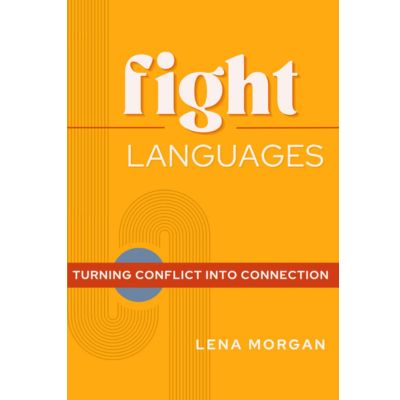
 Conflict is often seen as something to avoid, suppress, or “get over.” But what if conflict—when understood correctly—could become a pathway to deeper connection, clarity, and emotional safety?
In this insightful episode of Inside Personal Growth, Greg Voisen sits down with Lena Morgan, author of the transformative book Fight Languages: Turn Conflict into Connection, to explore how her groundbreaking framework is helping people shift the way they communicate during disagreement. Lena’s work blends psychology, emotional intelligence, and relationship dynamics into a remarkably accessible system that anyone can start applying immediately.
You can learn more about Lena’s work on her website at LenaMorgan.com and follow her journey on
Facebook and Instagram.
Understanding the Five Fight Languages
Lena’s core contribution is the discovery of five primary fight languages—distinct conflict styles that shape how people respond when emotions run high:
-
Amplifier – feels deeply, expresses strongly, seeks emotional validation
-
Analyzer – relies on logic, structure, and “proving” the point
-
Extinguisher – shuts down, needs quiet, becomes overwhelmed easily
-
Igniter – reacts quickly, bursts of emotion, wants the conflict done
-
Negotiator – smooths tension, seeks harmony, avoids escalation
As Lena explains, conflict becomes chaotic not because people disagree—but because they’re speaking different fight languages without realizing it. Once you can identify your own style and the style of the person in front of you, everything changes. Misunderstandings dissolve, defensiveness lowers, and both sides can finally feel heard.
Why We Fight the Way We Do
One of the most surprising insights Lena shares is that most of us have more than one conflict style. A person might start as a negotiator when things are manageable but shift to an amplifier, igniter, or extinguisher once emotions rise or stress piles up. These secondary fight languages are usually formed during childhood or early emotional experiences.
This explains why conflict with partners, coworkers, or family often follows the same painful pattern. It isn’t intentional—it’s neurological autopilot.
Understanding this gives us compassion, grounding, and a new lens for empathy. It turns reactive moments into opportunities for connection, repair, and emotional growth.
Turning Conflict Into a Bridge, Not a Barrier
One of the most powerful takeaways from the interview is Lena’s belief that conflict holds essential information. Every argument is someone trying to say:
“This matters to me.”
Instead of focusing on winning, shutting down, or fixing the problem immediately, Lena encourages listeners to approach conflict with curiosity:
-
What fight language are they speaking right now?
-
What are they trying to protect or express?
-
What does this moment reveal about what matters to them?
This mindset doesn’t just improve communication—it deepens trust.
Repair: The Most Important Step We Often Skip
While most of us want to move past arguments quickly, Lena explains that repair is where relationships become stronger. Returning to the conversation after emotions have cooled—without blame, shame, or defensiveness—allows both people to understand each other’s experience and create a new plan for moving forward.
Repair is vulnerability, empathy, and teamwork in action. And according to Lena, it’s the most transformative step we tend to ignore.
Start Understanding Your Own Fight Language
If you want to discover your personal fight language, visit LenaMorgan.com to take her free quiz. It’s simple, insightful, and often eye-opening for couples, families, teams, and leaders.
To dive deeper, grab her book Fight Languages: Turn Conflict into Connection—a powerful guide for anyone looking to communicate with more clarity, empathy, and intention.
You can also stay connected with Lena on
📘 Facebook
📸 Instagram
You may also refer to the transcripts below for the full transcription (not edited) of the interview.
[fusebox_transcript]











Leave a Reply