


with Dr. Stephen Fenton
May 12, 2026
Inside Personal Growth
Listen on your favorite platforms
In this episode
Aging is inevitable — but how we age is often in our hands.
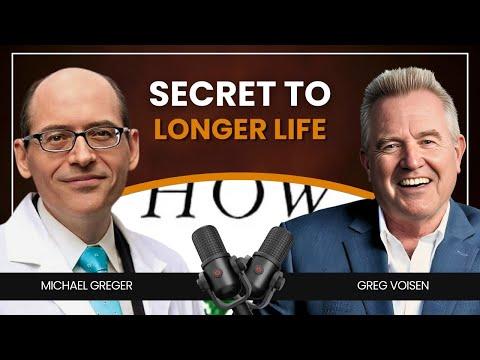
In a powerful and enlightening episode of the Inside Personal Growth podcast, we sat down with Dr. Michael Greger, the internationally renowned physician and nutrition expert behind NutritionFacts.org. Dr. Greger joined us to discuss his latest release: The How Not to Age Cookbook: 100+ Recipes for Getting Healthier and Living Longer — a vibrant, science-backed guide that blends nutrition research with real-world meal planning.
This isn't your typical health cookbook. As Dr. Greger explains in our podcast conversation, The How Not to Age Cookbook is a culmination of years of research translated into practical daily habits. While his earlier work focused on what to eat to prevent disease, this new book zooms in on how specific foods can slow the biological processes of aging — from cellular inflammation to oxidative stress.
And it's not just theory. The cookbook includes more than 100 plant-based recipes designed to:
Dr. Greger dives deep into the link between diet and longevity — and shares some surprising facts. According to global research and Blue Zone studies, the healthiest and longest-living populations share key dietary traits. The How Not to Age Cookbook takes those insights and translates them into easy-to-make meals.
Here are just a few highlights discussed in the episode:
One of the strengths of Dr. Greger’s approach is its accessibility. During the interview, he shares how he preps batches of beans, keeps frozen greens and berries in the freezer, and builds meals with ingredients that are both nutrient-dense and convenient. Whether it’s a simple purple sweet potato in the microwave or a smoothie packed with spinach, mango, and flaxseed — the cookbook proves that healthy eating doesn’t need to be complicated or boring.
Even better? Each recipe is crafted so that every single ingredient contributes positively to your health. No fillers. No compromise.
Whether you're 35 and looking to improve your long-term health, or 75 and hoping to enhance your energy and reduce inflammation, this book has something for you.
Dr. Greger also emphasizes the importance of role modeling healthy eating for younger generations. Families can use the cookbook as a tool to cook together, eat together, and embrace food as a form of connection — not just medicine.
To keep learning from Dr. Greger and his team, follow him online:
Final Thought:
The How Not to Age Cookbook isn’t just a collection of healthy recipes — it’s a lifestyle toolkit backed by science, experience, and purpose. As Dr. Greger reminds us: “It’s never too late to make better choices.” And it all starts with what’s on your plate.
You may also refer to the transcripts below for the full transcription (not edited) of the interview.
Continue Listening