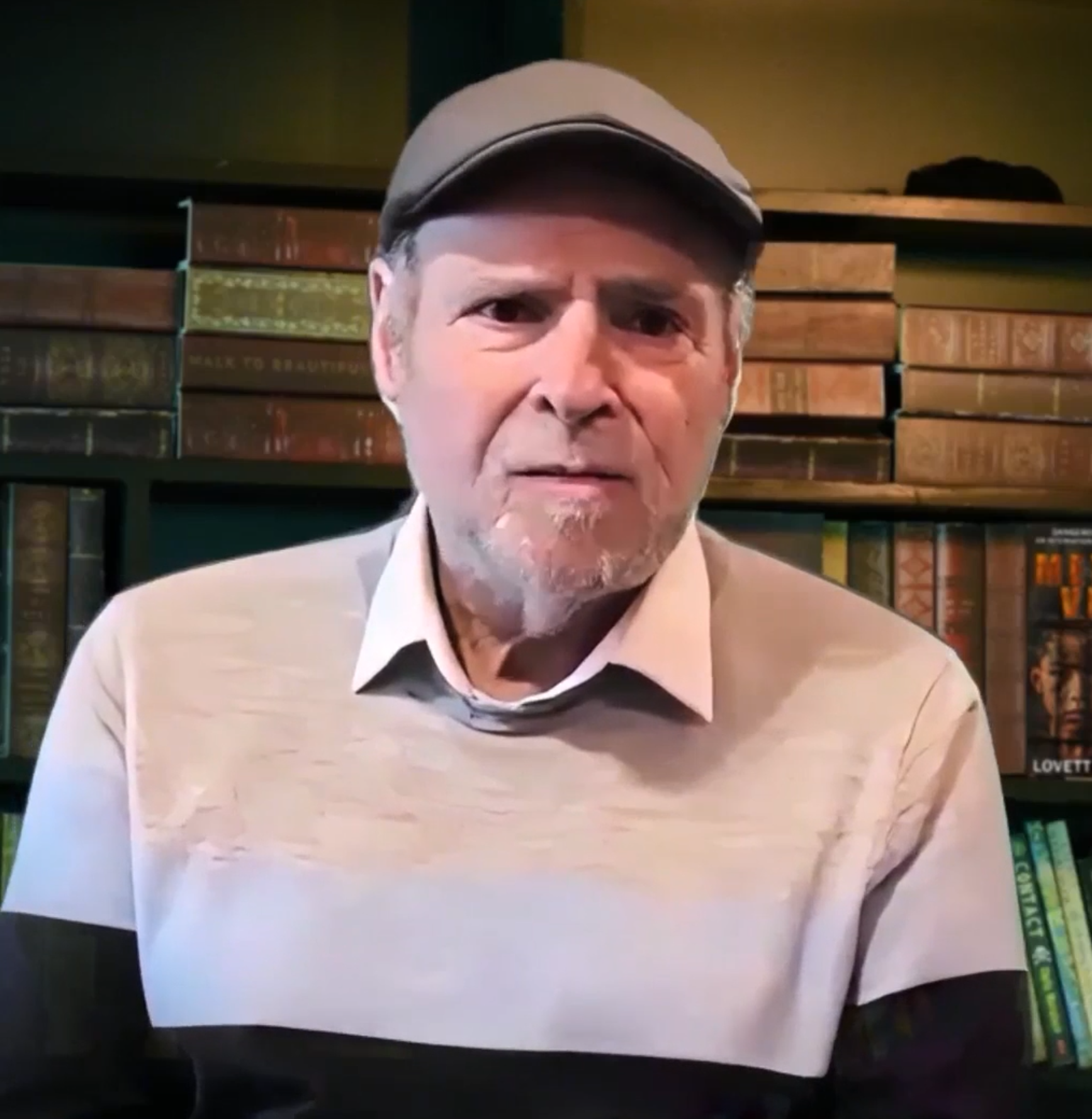
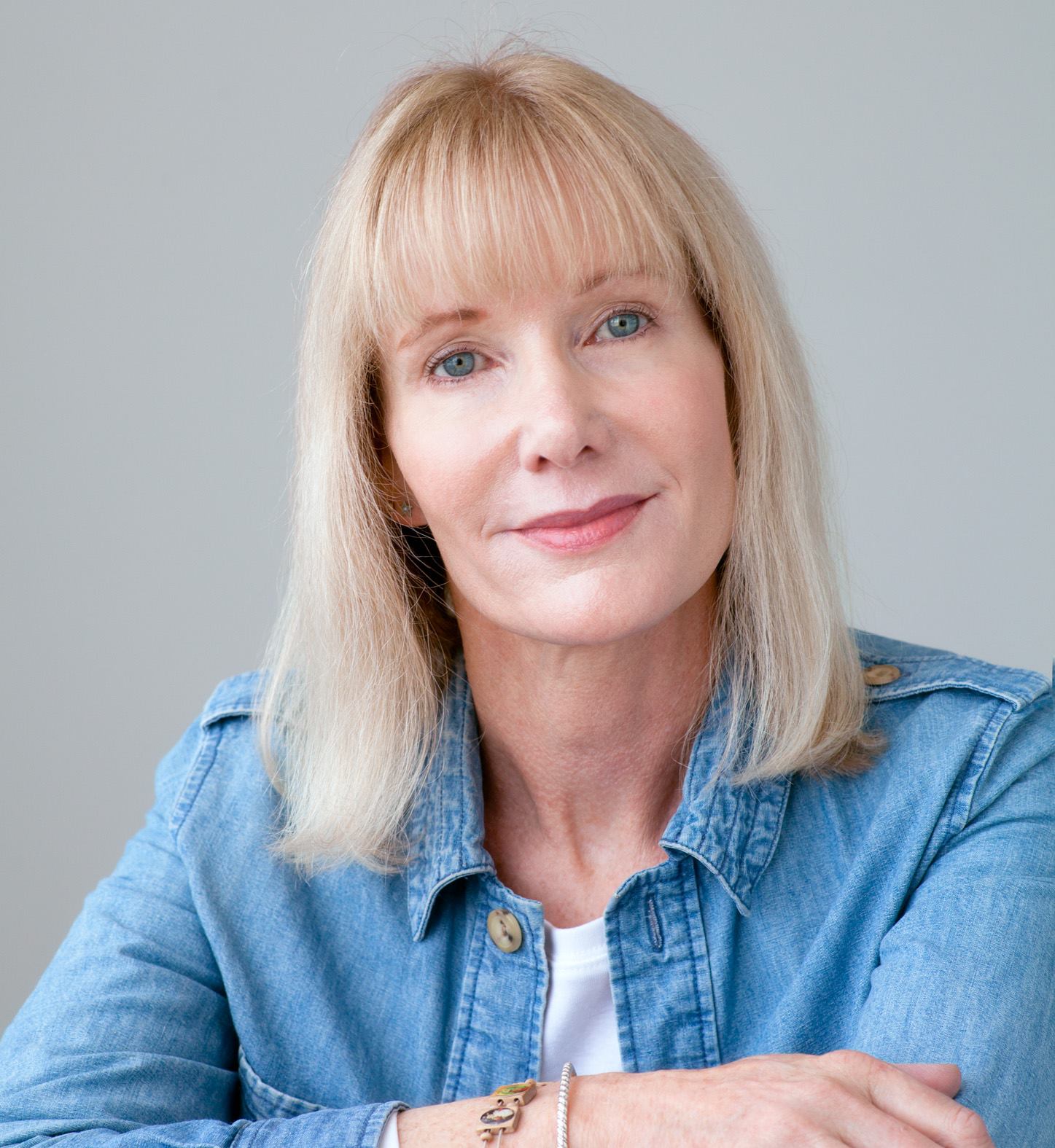
In this episode of Inside Personal Growth, Greg Voisen sits down with an extraordinary literary pairing: Ron Schultz, a pioneer in social innovation and Buddhist thought, and Sarah Lovett, an international bestselling author known for her gripping forensic thrillers. Together, they have forged a narrative that is as timely as it is terrifying.
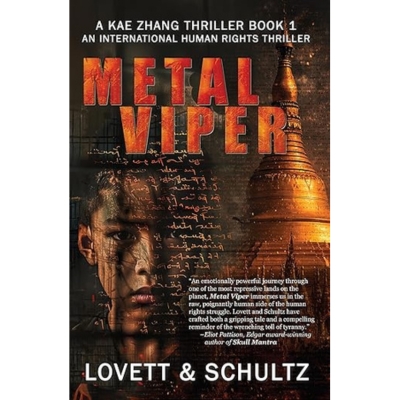
Their collaborative debut, Metal Viper, is not just a high-octane thriller; it is a mirror held up to the harrowing realities of modern-day Myanmar. In a conversation that spans from the philosophy of non-violence to the gritty mechanics of a prison cell, Schultz and Lovett reveal how their two very different worlds collided to create a story that demands to be heard.
A Heartbreak in Yangon: The Seed of the Story
Every great thriller has a hook, but Metal Viper begins with a wound. The novel opens with the arrest of a 12-year-old boy named Vica, whose only “crime” was wrapping fresh bread in the pages of his father’s peace poetry. As soldiers crash through the windows in Yangon, the charge is “seditious poetry.”
During the interview, Ron Schultz shares that this heartbreaking scene was inspired by real-life accounts coming out of Myanmar following the 2021 coup. The reality on the ground is sobering: tens of thousands of political prisoners and thousands killed by the junta. For Ron and Sarah, the goal was to take these cold, hard statistics and give them a pulse. By centering the story on a child poet, they created an emotional anchor that forces the reader to confront the human cost of authoritarianism.
The Birth of a New Hero: Kae Zhang
At the center of the storm is the protagonist, Kae Zhang. Standing barely five feet tall but possessing the intellectual gravity of a giant, Kae is a Chinese-American leader who founded “Article 5″—an organization named after the UN Universal Declaration of Human Rights that prohibits torture.
Kae is a departure from the typical “action hero.” She doesn’t rely on brute force; her superpower is her intuition—what she calls her ability to “read people.” This trait is a direct reflection of Ron’s decades of work in social innovation and Sarah’s deep research into psychological thrillers. Kae represents a new kind of leadership: one that values empathy, cultural intelligence, and the unwavering pursuit of the rule of law, even in places where the law has been discarded.
Collaboration Across Disciplines
One of the most fascinating aspects of the podcast is the synergy between the two authors. How does a Buddhist practitioner and social entrepreneur team up with a writer who spent months inside the New Mexico state penitentiary researching organized crime?
Sarah Lovett discusses how her background in criminal justice and dance helped shape the “rhythm” of the book. For Sarah, writing a thriller is much like choreography—it requires a specific beat, a build-up of tension, and a release. Her experience interviewing offenders provided the “chilled vibe” needed for the scenes where Kae faces off against the “Metal Viper”—the book’s primary antagonist.
Conversely, Ron brought a sense of “magical realism” and complexity science to the table. He emphasizes that the world isn’t black and white. Even in the face of extreme evil, there is a human element that must be navigated. This philosophical depth ensures that Metal Viper isn’t just a “good guys vs. bad guys” story, but a complex look at the biases and systemic failures that allow oppression to flourish.
Article 5: A Mission Beyond the Page
The organization in the book, Article 5, is inspired by real-world social entrepreneurial groups that operate in the world’s most dangerous regions. These groups don’t carry weapons; they carry the UN Charter. They work with governments to replace torture with effective, law-based investigative tools.
Ron and Sarah reveal the immense risk involved in telling this story. Because Myanmar remains an active conflict zone, many of their sources and contributors had to remain anonymous to protect those still working on the ground. The authors have committed to donating a portion of the proceeds from Metal Viper to the organizations that inspired the book, ensuring that the fiction supports the real-world fight for justice.
The Power of Nature and Non-Ordinary Space
Perhaps the most unique element of the novel is its climax, which involves “non-ordinary space” and the forces of nature—specifically, elephants. Eschewing the traditional military rescue trope, the authors chose to resolve the conflict through elements of “magical realism” and shamanistic traditions native to Myanmar.
This choice reflects the authors’ belief that there are other ways to solve global problems besides force. By using nature as a catalyst for resolution, they provide a sense of hope and “harmony” that is often missing from the grim landscape of political thrillers.
Final Reflections: A Call to Action
As the interview draws to a close, Greg Voisen asks the authors what they hope listeners take away from this journey. Their answer is simple yet profound: Listen. Listen to your own voice, listen to the stories of those who are being silenced, and look at your own biases. Whether it is through supporting humanitarian efforts or simply choosing to engage with stories that broaden our worldview, we all have a role to play in the pursuit of justice.
Metal Viper is more than a book; it is a testament to the power of collaboration and the enduring strength of the human spirit.
Connect with Ron Schultz & Sarah Lovett
Our Guests, Ron Schultz & Sarah Lovett: ➥ Novel: Metal Viper (A Kae Zhang Thriller Book 1) ➥ Buy Now: a.co/d/0fYDkhAF
➥ Website: metalviper.com/
➡️ LinkedIn: www.linkedin.com/in/sarahlovett/
www.linkedin.com/in/ron-schultz-5965411/
➡️ Facebook: www.facebook.com/SarahLovettAuthor/
www.facebook.com/p/Ron-Schultz-Author-61562557695445/
➡️ Twitter / X: x.com/S_Lovett_writer
➡️ Instagram: www.instagram.com/ronschultz_author/
You may also refer to the transcripts below for the full transcription (not edited) of the interview.
A 12 year old boy, and then the soldiers crashed through the window. The charges, seditious poetry.
I think 30,000 people have been killed. A social entrepreneurial organization who goes into the world's most dangerous places to do their work. But they go into the world's most dangerous places, Greg. They end up going in there and dealing with the heads of government, adhere to the rule of law. Right. We're dedicating a portion of the of the proceeds to the organization that inspired the story because it's important for them to be able to continue the work that they're doing.
But in an effort to demonstrate the fact that evil, you know, that there's humanity within the evil and you know, this man is is is far from a nice guy. They are still there. They're still trying to do the wrongs that have been going on. At least get some of the rights returned to people so that they're not the oppression is not quite so extreme.
It's not really you know, you know, the government is not being very good about how they're treating their people.
00:01:12:23 - 00:01:14:06
Speaker 1
Yeah, it's horrible.
00:01:14:13 - 00:01:17:10
Speaker 2
It's horrible. And are we in danger?
00:01:19:06 - 00:01:39:21
Speaker 3
We're in danger. The danger for us is if we put people on the ground in danger. So we have to be very careful. Going to add, you know, to me, it's the family. Article five group is the family. And we have world views. And so was very intentional for us. But I think it's also very, you know, comforting.
00:01:39:21 - 00:02:06:03
Speaker 3
Readers enjoy coming back to home base, especially when the books are set in foreign locations. But we have the steadiness, the sometimes disagreements, but often working together to reach a goal. So they provide humor, warmth, and they also provide diversity and storylines.
00:02:06:14 - 00:02:19:05
Speaker 1
How did the two of you from such different worlds come together to create Metal Viper? And what was it about this particular story that kind of demanded both of your voices?
00:02:20:14 - 00:02:22:05
Speaker 4
Well, from the Inside Personal Go.
00:02:22:05 - 00:02:59:18
Speaker 1
Podcast deep dive with us as we unlock the secrets to personal development. Empowering you to thrive here. Growth isn't just a goal, it's a journey. Tune in Transform. Take your life to the next level by listening as one of our podcasts. Welcome back to Inside Personal Growth. This is Greg Voisin, the host of Inside Personal Growth. And you guys, everybody knows who I am because they've listened to this show for years where on 19 years, 1300 episodes, sitting on the other side of the screen in Santa Fe, New Mexico, they said it was spitting snow this morning.
00:02:59:18 - 00:03:00:20
Speaker 1
Is that right? You guys.
00:03:01:10 - 00:03:02:18
Speaker 4
Talking a little.
00:03:02:18 - 00:03:34:18
Speaker 1
Bit? Is Ron Schultz someone that I have known for quite some time and Sarah lovely Lovie Love Lovett, who basically they have teamed up and written a book which you'll be seeing. It'll pop up here on the screen everybody called Metal Viper. And I was intrigued by this because Ron basically sent me the copy of the book and they've got something really interesting for you to listen to today.
00:03:35:00 - 00:03:36:22
Speaker 1
Well, good day to you both. How are you doing?
00:03:37:11 - 00:03:38:02
Speaker 2
Doing just fine.
00:03:38:02 - 00:03:39:10
Speaker 3
Great. Great, great, Good.
00:03:39:19 - 00:04:13:17
Speaker 1
Yeah, well, I'm going to do a brief introduction. Ron is an accomplished author, speaker and social innovation thought leader who's written and or co-written and edited 25 published books spanning social innovation, meditation, emergence, science and entrepreneurship. His notable works include Creating Good Work. The World's leading social entrepreneurs show how to build a healthy Economy. The complex Buddhist is another one of his books, and the list goes on and on.
00:04:13:23 - 00:04:45:04
Speaker 1
Beyond publishing, Ron has had an extensive career in television film with credits that include acclaimed CBS Movie of the Week, The Switch, and writing six of 36 episodes, of which the iconic children's series series He-Man and the Masters of the Universe. Here is here he does as he is spoken at Skoll World Forum and the World Series, Congress and Social Enterprise, World Forum.
00:04:45:04 - 00:04:58:18
Speaker 1
He is really, really, really a just an amazing man. And I love Ron. He's also an active fiction writer. And the novel we're talking about, Metal Viper is the one we're going to be speaking about today. Now, the.
00:04:58:18 - 00:04:59:19
Speaker 4
Lovely Woman.
00:04:59:19 - 00:05:25:02
Speaker 1
Two On my camera to the right is Sarah Love. It is an international bestselling author, psycho psychological thrillers, an espionage fiction based in Santa Fe, New Mexico, which is where they're joining us from today. She's best known for her Sylvia Strange series, which sparked a publishing bidding war and has been translated into 12 language and options for film and television.
00:05:25:02 - 00:05:58:12
Speaker 1
Her extensive catalog includes dangerous attachments, acquired motives, a desperate silence, and the list goes on and on. And both of you, we're going to have links to the Web site below so that people can find you. What's Sarah part? Is there deep, real world experience behind it? She holds a degree in criminal justice from the University of New Mexico and worked within the state's office of the Attorney General, where she conducted in-depth research into organized crime and public corruption.
00:05:58:21 - 00:06:35:13
Speaker 1
Well, you guys have a really interesting background and obviously the kind of background that Metal Viper really kind of brought up for the two of you. So I'm going to start this off with Ron, who spent all this time writing social innovation, mindfulness books. You're really into Buddhism. You are wonderful, fully spiritual person. And Sarah, you've built a career on forensic psychology thrillers and coauthors and spy novels and former CIA operative Valerie Plame.
00:06:36:02 - 00:06:51:03
Speaker 1
How did the two of you from such different worlds come together to create Metal Viper and what was it about this particular story that kind of demanded both of your voices?
00:06:51:12 - 00:07:10:11
Speaker 3
Whoever I'll start with, kids brought us together long time ago when we were both writing for John Muir Public. And that's when we met Original Press, and I was writing the extremely weird books and Ron was writing.
00:07:10:21 - 00:07:12:15
Speaker 2
Stories, X-ray vision.
00:07:12:21 - 00:07:22:11
Speaker 3
X-ray visions up. And we liked each other and we hit it off and, you know, socialized. And then, yeah.
00:07:22:11 - 00:07:47:07
Speaker 2
Then I came up with this notion of of writing a book, a thriller about a social entrepreneurial organization who goes into the world's most dangerous places to do their work. And I had known one that had a woman as the head of this organization, and I knew that I couldn't write it by myself, so I needed to write it with a woman.
00:07:47:08 - 00:07:56:13
Speaker 2
I called up Sarah and I said, Sarah, you work with all these different authors. You know somebody who would like to write this with me. And Sarah raised her hand and said, I would.
00:07:58:05 - 00:07:58:19
Speaker 4
So this.
00:07:59:02 - 00:08:01:23
Speaker 1
So that's how this book was birth is really just that.
00:08:01:23 - 00:08:07:17
Speaker 2
That way turned out to be the best collaboration either of us have had. It's just been wonderful.
00:08:07:17 - 00:08:09:11
Speaker 3
So fun. Yeah, great.
00:08:09:18 - 00:08:33:24
Speaker 1
Well, for all my listeners, by the time this airs, there'll be a link below that'll be directing you to Amazon to buy a metal Viper. So it will be out there and listed. Currently, we don't have a copy of the book, but you'll see behind me on the screen you'll see the jpeg of that. So look, you guys, the book opens with one of the most heartbreaking scenes that I've read in a long time.
00:08:35:00 - 00:09:12:06
Speaker 1
A 12 year old boy named Vica. Is it Vica wrapping freshly break non in the pages of his father's peace poems in there Bake Bakery in Yanga Burn and then the soldiers crash through the window. The charge is seditious poetry. Is this a real charge in Myanmar? And what was it about the child's poet or a children's poet that became the emotional anchor for this entire story?
00:09:13:09 - 00:09:51:06
Speaker 2
Well, it is a real. There was a poet who had been arrested and there had been an article about him in the paper. And that's this is what gave birth in this notion. And in Yangon, he was he was arrested for writing poetry and giving it out. And it wasn't seditious. It was just poetry. And it was you know, it was such an unconscionable action to arrest a poet that we figured that this would be a great opportunity for our character to go in and do what she does.
00:09:52:05 - 00:10:22:24
Speaker 1
Well, I know we said there's some similar things which the Americans are dealing with today, and we weren't going to go deep into that. But we have been seeing people be arrested, okay, here in our own land of the United States and it has to be alarming to those out there. Well, how would you guys kind of say there's this story has some similarities with which might be happening here today?
00:10:24:22 - 00:11:04:13
Speaker 3
Well, oppressive powers. It's very disturbing to live in an environment with where thugs can come, whether they're soldiers crashing through windows or into a bakery to take a 12 year old boy and his father or in this country to detain. You know, there have been children who become viral characters, people rooting for them. And I think no one wants that extreme.
00:11:04:13 - 00:11:32:03
Speaker 3
I think very few people want to have children being put behind bars and detained. And also people who are detained without the right to transfer parents and the right to appear in court and to have the rule of law buffer you in a way. And so you're not just spirited away in the night and disappear.
00:11:32:04 - 00:11:54:11
Speaker 2
And this is really about the rule of law. And in terms of coming down on people who are writers, who are putting the word out, who are sending out, getting your information out, journalists and and intellectuals, you know, who are a threat to to any kind of authoritarian government.
00:11:55:09 - 00:12:35:09
Speaker 1
Yeah. And, you know, it's a very real thing. We've seen censorship happen to TV hosts here in this country. And we think that the thing the underlying theme here is really in justice. You know, I think both of you stand for justice. And, you know, the protagonist, Kazan, is extraordinaire. She's barely five feet tall. Chinese-American went to UCLA to Yale Divinity School, founded Article five in Geneva, and she opens the book by telling her team that she just channels her inner and you're going to have to set.
00:12:35:15 - 00:12:36:00
Speaker 4
Some.
00:12:36:08 - 00:12:51:00
Speaker 1
Systems and starts rolling that demand. Rock around. Where did Kaye come from? Is she based on the real person or is she the kind of leader you both wish existed?
00:12:51:11 - 00:13:15:09
Speaker 2
Well, she was inspired by a real person. We are we are being very careful with identities here because Myanmar is so dangerous. And so we don't want to, you know, really talk more about who she is directly. But it is inspired by a real person and it's inspired by an organization that is doing real work in in the world and doing amazing work in the world.
00:13:15:21 - 00:13:41:04
Speaker 2
But they go into the world's most dangerous places, Greg, And and without fear to do this work. And they may have a little fear, I don't know. But they, they, they end up going in there and dealing with the heads of government to get them to adhere to the rule of law. And the notion is that all these countries that they're taught, they're using torture as an investigative tool.
00:13:41:10 - 00:13:50:18
Speaker 2
All have signed a U.N. charter that says they will not do this. And so that's what's being upheld here in real time.
00:13:51:06 - 00:14:32:22
Speaker 1
And that's amazing. So this Article 45 is named after the UN's Universal Declaration of Human Rights, where you talk about justice, the article that prohibits torture. Okay. In the book, a case team is actually succeeded in getting Myanmar to curtail torture before the two oh to one 2021 coup destroyed everything they built. How much of that mirrors the real experiences of organizations still working inside Myanmar, and how much risk did you take in writing about the work that's still going on?
00:14:33:18 - 00:15:06:00
Speaker 2
Well, Myanmar is is is a real awful place right now. Since this since this coup and it completely destroyed all the work that people have done before, but they are now, the reason we have to be so careful is that they are still there. They're still trying to do the, you know, right the wrongs that have been going on, at least get some of the rights returned to people so that they're not the oppression is not quite so extreme.
00:15:06:09 - 00:15:18:18
Speaker 2
It's it's not really you know, you know, the government is is is not being very good about how they're treating their people. I think 30,000 I think the figure is 30,000 people have been killed.
00:15:18:24 - 00:15:20:07
Speaker 1
Yeah, it's horrible.
00:15:20:14 - 00:15:24:10
Speaker 2
It's horrible. And are we in danger or.
00:15:25:04 - 00:15:33:00
Speaker 3
We're in danger? The danger for us is if we put people on the ground in danger. So we have to be very careful.
00:15:33:23 - 00:15:54:01
Speaker 2
And we were in my craft in crafting the book. But at the same. Yeah. Yeah, it is fiction. And at the same time, we were we were careful, but it didn't we didn't sacrifice or compromise any of the of the story. The story is still incredibly thrilling and and really is quite exciting.
00:15:54:11 - 00:16:09:21
Speaker 1
So it's really a true story. You just kind of remade it fiction and you made up the characters. And so that Article five team is one of the greatest strengths of this book. And you got is it honor, an honor.
00:16:10:04 - 00:16:11:10
Speaker 2
A non, a non.
00:16:12:14 - 00:16:29:07
Speaker 1
A this Persian. Say it for me. Zorro, who fled Iran as a child and serves as Kay's financial guard rail. Right. So that's important. So many.
00:16:29:07 - 00:16:30:00
Speaker 3
Many.
00:16:30:04 - 00:17:00:02
Speaker 1
Is it is not binary. Where's her facial scar? As a badge of surviving violence and keeps a be free and die rainbow mug on her desk. Sahar Bihi, shaman trained in Myanmar who hallucinogenic fungi, which is for all of those out there, that's mushrooms. And Tiffany from Texas, this 23 year old reading about cortisol at the Geneva Airport.
00:17:00:09 - 00:17:28:22
Speaker 1
This team is wildly diverse as we just talked about. Was that intentional to show that the fight for human rights requires every kind of person at the table? Look, we've seen all this stuff going on around trans and taking the people away. And and I'm just going to say it. Trump trying to have diversity and going to the universities and suing the universities because they weren't upholding diversity.
00:17:28:22 - 00:17:43:17
Speaker 1
These, we might say, were small little inroads. But really pretty big ways to try and control our university system. And I hope I'm not speaking out of line here, but I think the people get it.
00:17:44:07 - 00:17:44:16
Speaker 4
Yeah.
00:17:44:24 - 00:18:31:02
Speaker 2
Well, the the ah, crowd of characters here was we're all chosen, you know, to not only to represent their own groups, but to show that diversity within and within a work organization. And, and one of the characteristics of, of certainly of my books, of my fiction writing is always a bit of of what we bring in that area of the shamanistic and the and the inequalities that they go along with that that that, you know, it's been characterized by so many different writers with make when they bring in things that are a little outside of the norm.
00:18:31:08 - 00:18:56:24
Speaker 2
And so this is very much been a part of what's what's important to us is to be able to to demonstrate that this is it's this is not the only way things are, that things can be different, that we can bring in that non ordinary world and taste of shit here and and demonstrate that there are lots of ways to get to from.
00:18:57:02 - 00:19:28:17
Speaker 3
A lot of viewpoints. I just want to add, you know, to me it's the family. Article five group is the family and we have our families. All our families are made up with with many different viewpoints on world worldviews. And so it was very intentional for us. But I think it's also very, you know, comforting readers enjoy coming back to home base, especially when the books are set in foreign locations.
00:19:28:17 - 00:19:45:12
Speaker 3
But we have the steadiness, the sometimes disagreements, but often working together to reach a goal. So they provide humor, warmth, and they also provide diversity and storylines.
00:19:45:24 - 00:20:13:14
Speaker 2
I will add that, you know, the magical realism aspect that we've that we've included into this is is is actually crucial to the story. And we also refer to our shaman, not so much as a shaman, but he's referred to as the cultural attache. So it is, it is you know, we are trying to be inclusive and at the same time be able to further the story.
00:20:13:14 - 00:20:15:01
Speaker 2
And these people certainly do that.
00:20:15:18 - 00:20:48:10
Speaker 1
Well, Metal Viper is a really interesting book. You know, the book is being published at a pretty extraordinary moment in Myanmar, just marked five years since the coup. The you were in reports 30,000 political prisoners detained, 8000 killed by the Enter shaman shaman elections held under military airstrikes and 5.2 million people displaced. Okay, so when you look at the statistics, it's pretty alarming.
00:20:48:20 - 00:21:12:11
Speaker 1
The Prolog of your book reads almost like a news report from last week, which is difficult. Watching real events become more horrific than your fiction as as you are writing this right? In other words, it's just like it's ongoing. It's real time. It's happening now. You guys want to comment on that?
00:21:13:05 - 00:21:14:15
Speaker 3
Sure. I don't think.
00:21:15:12 - 00:21:38:23
Speaker 2
Well, the presidency is is you know, you speak to any writers who are writing fiction and they always find that they're there's a certain level of precedence in what they're writing that they're seeing. They are able to have a sense of what of what's going on in the world and what's the future. And so what we were writing was purely what was happening.
00:21:39:08 - 00:21:47:02
Speaker 2
You know, we were we're consulted by folks who are who really know what was going on on the ground. And that was that was very helpful.
00:21:47:16 - 00:22:21:06
Speaker 1
And how did you to get to these people to actually do interviews or actually put this into the book? I think that would be interesting for the readers, because you got a scene in here where the team encounters a great group and I think it's I don't know if I'm been a part of the Rohingya refugee in the jungle with Campeau and their own guide and driver, a man who'd been risking his long life alongside them, reveals a deep seated prejudice against them called the Bengalis, and saying that they didn't belong.
00:22:21:12 - 00:22:43:18
Speaker 1
And then Kaye confronts him. Right? So you get these stories. And you. We have a man here, Sara. And so my question for the readers is, Hey, did you guys get an opportunity to hear these stories from somebody where they were really happening and if they were, you know, did that help to validate this even more for you?
00:22:44:21 - 00:23:15:21
Speaker 3
I mean, we did a lot of research and a lot of the research was it was people. Right. Talking to people who who do this work and people who are aware of situations around the world. And so there's a lot of truth in this story, even though it's a fiction. Right. And we also we was very important for us that there is nuance.
00:23:15:21 - 00:23:51:11
Speaker 3
We were representing the fact that it's not black and white. Right. We all have biases. All the. Yeah. And so and situations of conflict can raise the heat of those biases to an extreme right to hatred. And, you know, and governments feed that off. So it was important for us that everyone wasn't on the same page. And, you know, it's about listening, but also hearing you know, these stories.
00:23:51:11 - 00:24:27:01
Speaker 3
So hopefully our readers will take that with the fact that these are also, I think, characters fully rounded that we attach to. So in the case of Chapo, it is a surprise at that point because he has been a trooper. Right. A really part of the team, really. And then all of a sudden, this bias, this crack in his system, psyche being, you know, shows any and it's not pretty, but it's very human for all that.
00:24:27:12 - 00:24:54:12
Speaker 1
I think that's an important point that you make that we've you know, we've had these biases, as you just mentioned. I've seen it create divides, even in my own family. And yeah, there's millions of families across the United States where you have people that voted for Trump and people who are dying so increasingly opposed. Right. But there's just such extremes.
00:24:54:18 - 00:25:23:20
Speaker 1
Right. And I think this recent thing that just happened regarding we we have a shutdown here in this country right now with the Department of Homeland Security's ice. As a result of our two Republican and Democratic sides can't come together to agree. Take off your masks, have cameras on. Let us see what's going on. Be honest about what's happening out there when you're doing these things.
00:25:24:00 - 00:25:38:10
Speaker 1
I think these there's such a correlation between what we're what our Congress is hoping to get accomplished. Right. And you guys want to comment about that before I go on the next question, because.
00:25:39:03 - 00:25:39:12
Speaker 2
I know.
00:25:39:12 - 00:25:42:19
Speaker 1
We didn't want to get political here, but I kind of had to get a.
00:25:42:19 - 00:25:48:09
Speaker 2
Little back because what we had with your question was, you know, where did where do we find the resources for.
00:25:48:09 - 00:25:49:18
Speaker 1
This? Right. Originally, yeah.
00:25:49:20 - 00:26:18:23
Speaker 2
We had and we had incredible experts who were who had been in Myanmar, who had worked in Myanmar, who had worked with the Rohingya, who had worked with these different areas. And we were fed a almost a daily stream of information about what was going on, on the ground that we could pull from. That was awesome. So that we could we could then incorporate that into the story that we were telling.
00:26:19:07 - 00:26:31:15
Speaker 2
And it with all of that information, informed what we were, what we were writing in a way that we could then turn it into fiction so that we could tell a compelling story.
00:26:31:24 - 00:26:43:04
Speaker 1
Did it make it harder for the two of you to write because the information was just kind of coming in as you got it or did? I mean, at some point you have to complete a book and you keep getting better information.
00:26:43:22 - 00:26:47:24
Speaker 2
So we didn't know what the story was. Greg So.
00:26:48:19 - 00:26:49:16
Speaker 4
Yeah. Yeah.
00:26:49:22 - 00:26:50:09
Speaker 1
Okay.
00:26:50:10 - 00:26:53:08
Speaker 2
You were doing. But I don't think it made it more difficult.
00:26:53:09 - 00:26:59:05
Speaker 3
No, he's writing. We've both been writing all our lives, so, you know, we're used to writing.
00:26:59:12 - 00:27:00:18
Speaker 4
Good. But going on.
00:27:01:02 - 00:27:12:06
Speaker 1
Yeah, well, one of the most powerful threads in the book is Kay's inner tension between her mission and her family. And she calls her son's birdie.
00:27:12:24 - 00:27:14:12
Speaker 4
Pretty easy.
00:27:14:12 - 00:27:42:07
Speaker 1
And easy from a hotel lobby in Myanmar. And the Viper walks up and says, When you speak with your husband, Peter, and your two boys, Bertie and Ashley, I, if I remember correctly, do you tell them you love them? I might. It says it might well be longer than you think before you see them again. That scene is pretty chilling.
00:27:44:06 - 00:27:44:24
Speaker 1
And how do.
00:27:44:24 - 00:27:45:09
Speaker 4
You.
00:27:45:15 - 00:27:57:00
Speaker 1
How do you write the emotional reality of a mother who puts herself in danger for other people's children? I mean, we've seen this happen here, Sarah.
00:27:57:08 - 00:28:45:18
Speaker 3
Right. We have. And we've we've seen people die trying to help other people. Yeah. Yeah. So for me, I'm a mother. And my it being a mother, my daughter's 22 now. But as soon as I she was in my life, my mantra became All children are my children. So and I know that's true of you don't have to be a mother just to be someone with compassion and empathy to see that and their mothers in this country doing everything they can to raise money for people who are suffering here.
00:28:45:18 - 00:29:08:24
Speaker 3
Right. And may be imprisoned. So I think that's a very interesting tension for a character. And I know that as a mother working professionally, as a writer, there are long hours and working. And so sometimes my daughter would be crying, saying, Mom, are you a writer?
00:29:09:24 - 00:29:10:06
Speaker 4
Yes.
00:29:10:06 - 00:29:40:09
Speaker 3
I hope it's time writing. And I said, It's not really a choice. It's always been my, you know, my calling, my calling. But I think that's true. And watching, you know, Gaza and watching, I worked with a writer who was with the U.N. and he was writing about Rwanda. And it's it takes a toll, even as a writer, to deal with these things.
00:29:41:15 - 00:30:05:09
Speaker 3
But in the case of a metal viper in that scene, he's he is a person. He's a full person. And he comes in. And one of the ways he works is he's all about power. And so he but he's very subdued in many ways with it because he knows Kay knows she can be, you know, disappeared or killed that moment.
00:30:05:09 - 00:30:14:20
Speaker 3
Right. And she struggles with that. I think it's it's hard in the family and her kids struggle with that. They miss their mother, but they understand the mission.
00:30:15:06 - 00:30:15:16
Speaker 1
Yeah.
00:30:16:03 - 00:30:21:01
Speaker 3
She technically qualified to do what she does. She's unique.
00:30:21:06 - 00:30:21:15
Speaker 4
Yeah.
00:30:22:04 - 00:30:50:13
Speaker 2
And having that tension with the Viper is with the metal Viper shows up is is just to introduce the evil, if you will. But it has to demonstrate the fact that evil is you know, that there's humanity even within within the evil. And, you know, this man is, is, is far from a nice guy. But at the same time he is.
00:30:51:13 - 00:30:59:11
Speaker 2
Kay has learned that her power is in her ability to relate to people no matter where they're coming from.
00:30:59:22 - 00:31:29:23
Speaker 1
That's it's it's a really very interesting because it brings out so many similarities about people even here in the U.S.. Looking at certain figures in with more hate. Right. More disdain. You know, and even the things they would say they would like to have happen to them. Right. Like that. That's what they want now without me giving away too much.
00:31:30:12 - 00:32:06:11
Speaker 1
The climax involves something I never expected in the human rights thriller. It's got BS and elements in it shot men entering what Sahar calls the non ordinary space. It's magical and terrifying and obviously it works. How did you decide that the resolution to the story would involve forces of nature rather than conventional military rescue? In This brings me to Sarah and Ron.
00:32:06:11 - 00:32:34:23
Speaker 1
Win. Pardon me. I'm the Jane Goodall died and she did the four minute message or whatever it was in her last words, had the foresight to videotape herself and then said, release this afterwards. Right now, she even looked at the villain in that videotape, the villains, and actually named some of them because I was in tears when I watched that video.
00:32:35:13 - 00:32:40:00
Speaker 1
How did you guys come to a Jane Goodall ending here?
00:32:40:20 - 00:32:52:23
Speaker 2
Well, Greg, it's it goes back to an old writing adage that if you show an elephant in Act One, you better use the elephant by the end of the book.
00:32:53:19 - 00:32:54:22
Speaker 4
I got that right.
00:32:55:08 - 00:33:12:04
Speaker 1
But, you know, all just aside, there is something about nature is calming. And you why don't you want a resolution? So did you guys obviously you thought this through in writing this book that you wanted the world to find peace.
00:33:13:20 - 00:33:14:05
Speaker 4
Yeah.
00:33:14:10 - 00:33:44:18
Speaker 2
Well, we wanted to find the world without we wanted to have a conclusion that did not use the same elements that the forces against them used and that there are other ways of solving a problem than with force. And in this case, we weren't really interested in defeating this other force. We were interested in resolving the situation. Right.
00:33:44:19 - 00:34:14:02
Speaker 2
Yeah, it was. And there's this seemed to be a way to do it in a way that actually exists. You know, of use of of of bringing about this. You know, as I said, you know, using the elephants, they, they were, you know, something we had introduced in the book and so that they will be environment and they're part of the environment and we just needed to be able to resolve that at the end.
00:34:14:02 - 00:34:15:06
Speaker 3
And we love elephants.
00:34:15:23 - 00:34:17:17
Speaker 4
Yeah. So do way around here.
00:34:17:17 - 00:34:26:02
Speaker 1
They're all over the house. So. Hey, so you guys got an obviously I don't mispronounce his name. Richard Ro She wrote.
00:34:26:10 - 00:34:27:09
Speaker 2
Richard really.
00:34:27:12 - 00:34:56:08
Speaker 1
React he's the formal global media chief of Amnesty International endorsed this book, right? Yeah. You also acknowledge contributors you can't name because of Myanmar's prevailing forces who how important was it for you to get this right, not just as a fiction, but as a book that real human rights workers could stand behind? Because this is a big endorsement.
00:34:56:08 - 00:35:05:15
Speaker 1
Let's face it, you guys. I mean, it just doesn't come along like, hey, I'm going to get this guy had endorsed this book. He must have really thought long and hard about that.
00:35:05:21 - 00:35:36:00
Speaker 2
Let's we have some great endorsements for the book and we're very pleased with that, Not only Richard, but Valerie Plame gave us a wonderful quote. And Elliot Patterson, who's a brilliant writer, gave us a great quote. All of them are working against authoritarian and oppressive countries and wanted to support the work that we're doing. And it is it was essential to what we were doing.
00:35:36:04 - 00:35:38:11
Speaker 2
And they and they were all part of. Yeah.
00:35:39:21 - 00:36:00:24
Speaker 3
I was saying it was it is vital that that weakens. We're able to stand in behind our book and the work because of their validating comments and also their information. Some some of those people shared information. Richard, did.
00:36:01:01 - 00:36:01:08
Speaker 4
You.
00:36:01:16 - 00:36:04:04
Speaker 3
That's okay to say, yeah, we had to get it right?
00:36:04:04 - 00:36:05:09
Speaker 2
Yeah, you have to because.
00:36:05:09 - 00:36:06:05
Speaker 3
We could it.
00:36:06:05 - 00:36:28:23
Speaker 2
Had to be plausible. If it was implausible, then it would just be, you know, you know, shoved aside. And we don't this book to be shoved aside because the message is important, because what's what's going on in this book is important. And people need to become aware of these issues. And we didn't want it to be dismissed because the story wasn't plausible.
00:36:29:04 - 00:36:33:23
Speaker 2
So everything had to all the details had to be attempted, attended did to.
00:36:34:11 - 00:36:35:05
Speaker 4
Well, you took.
00:36:35:13 - 00:37:05:04
Speaker 1
Let's face it, you took something that you could have written about in a nonfiction way other than you were trying to protect the characters here and you turned it into fiction. And, you know, when you look at my show, we have tons of nonfiction books that are on here. But the reality this is an opportunity for people to actually get into these characters, to understand what's going on, to really understand what's happening, and then actually correlate that.
00:37:05:04 - 00:37:30:17
Speaker 1
And that brings me to this for the listeners now who've been listening to us for the last 40 minutes or so, want to get involved, whether that's supporting the people of Myanmar, learning more about global fight against torture or simply picking up metal Viper, where should they go and what should they do first? Well, they wanted to actually get involved.
00:37:30:24 - 00:37:41:15
Speaker 2
You can you can now the book is available now and you can you can order it. You can preorder it at any bookstore. Right today, at any bookstore as.
00:37:41:15 - 00:37:42:06
Speaker 3
A preorder.
00:37:42:06 - 00:37:55:00
Speaker 2
They can that where you can preorder it. So the book is available first. That's yeah, that's scifri for the second part is there organizations that you can that the listener can get involved with and.
00:37:55:08 - 00:37:56:10
Speaker 3
Frontier Myanmar.
00:37:56:10 - 00:38:27:16
Speaker 2
Frontier Myanmar is one of them it's there are a whole slew of organizations that are working to help the situation in Myanmar and there and but at the same time you can also start with yourself if you start looking at your edge, your own prejudices, your own ways of seeing the world and how the world shows up, that's a that's a really critical way to begin really doing something that makes a change in the world.
00:38:28:09 - 00:38:32:05
Speaker 3
In your work, right? Whatever you take for that.
00:38:32:10 - 00:38:51:16
Speaker 1
Yeah, I think and I don't know what you had going on with the publishers, but do any of part of the proceeds go to help fund this program against the self eruptions in Myanmar? That would be a really good thing. Or people you know, maybe they're supporting. So proud of it. Okay.
00:38:52:12 - 00:38:52:17
Speaker 4
Right.
00:38:53:01 - 00:39:08:13
Speaker 2
We're dedicating a portion of the proceeds to the organization that inspired the story because it's important for them to be able to continue the work that they're doing. And so we are dedicating a portion of our proceeds to them.
00:39:08:19 - 00:39:15:17
Speaker 1
And can you give us a link for our listeners? So if they wanted to make their own contribution, we could stick it in the show notes below.
00:39:16:01 - 00:39:40:12
Speaker 2
We will check with them about that. But I think that we can. I just the they're a prominent organization, but there are also they also have to be very careful of their people on the ground. And that's what they've been really we've been talking to them a lot about that, about respecting that, respecting that. We want them to we want their people to be safe.
00:39:41:00 - 00:39:54:07
Speaker 2
And just as an example, their their finance, their head of finance in Myanmar was thrown in jail for ten years for making a donation to the wrong organization.
00:39:55:05 - 00:39:55:20
Speaker 1
Oh, well.
00:39:56:07 - 00:39:57:14
Speaker 2
So, you know.
00:39:57:23 - 00:40:22:22
Speaker 1
I, I understand the sensitivity. And if we can put it up there, great. If we can't, it's not anything. I think just people knowing, buying the book is supporting it. And Ron and Sarah will do that. I want to thank you both for taking this time to address the listeners of Inside Personal Growth and for sharing this story and bringing light to it.
00:40:22:22 - 00:41:00:01
Speaker 1
And hopefully your this story and your book, Metal Viper, will drive some action by the listeners of this podcast and we'll get people involved, even if that action. Sarah, is where you mentioned during this podcast is as mothers to try and resolve the conflicts in the families that have been going on, even in our own country. Try and bring some harmony back to this and instead of having a divide, bring people back together again.
00:41:00:07 - 00:41:29:03
Speaker 3
And bringing food and driving, you know, people to appointments and doctor's appointments when they're afraid to go out of their house. Simple. It can be very simple. Toys for kids and yes, yeah, yeah. Starting. You can start in your own neighborhood. It started growing can. Yeah. Yeah. It was reach out to organizations and we'll have we'll have more of that for you to play and also how seats are going to help.
00:41:29:18 - 00:41:35:16
Speaker 1
I'm a stay to you both. Thank you for being on the podcast with me this morning. I appreciate it.
00:41:36:07 - 00:41:36:22
Speaker 2
Our pleasure.
00:41:37:23 - 00:41:59:12
Speaker 1
Okay, So that ends that segment. We'll just keep running because I'm going to run into probably the next 20 minutes of just each of you talking about your background sounds, your stories, who you are. And so this part is going to be edited out, what I'm talking about right now. But we don't need to talk.
00:41:59:12 - 00:42:02:19
Speaker 3
Here because it the dogs for going in the background never.
00:42:02:19 - 00:42:03:19
Speaker 1
Heard never heard them.
00:42:04:00 - 00:42:04:08
Speaker 3
Good.
00:42:04:17 - 00:42:10:02
Speaker 1
Actually. Actually, it turned out really good, you guys. It was good. It was perfect. And even this.
00:42:10:11 - 00:42:11:14
Speaker 2
Rally on my stomach.
00:42:12:06 - 00:42:24:14
Speaker 1
Even the screen behind you, the the. No, no, it, it actually it started getting better for some reason. I'm looking at. Well, hey, where'd all those wrinkles go? They're gone.
00:42:24:18 - 00:42:28:04
Speaker 4
That's still operating. Yes, it did. Yeah.
00:42:28:12 - 00:42:51:04
Speaker 1
So there's two ways we could do this. You two can continue to sit next to one another, or you could do this separately. We then can take the two pieces of video and, you know, play with them back and forth. But, Ron, I was going to start with you then, Sarah, I'm going to go to you. And then there was going to be a joint closing question.
00:42:51:16 - 00:42:54:23
Speaker 1
Okay. So you just want to stay together.
00:42:55:06 - 00:42:57:18
Speaker 3
That's what we do out there. And I can do it.
00:42:57:20 - 00:43:01:08
Speaker 1
Yeah, yeah. You can have some fun with him or poke him.
00:43:01:24 - 00:43:06:12
Speaker 4
Stop. Well, okay, they are what you ask us.
00:43:06:18 - 00:43:08:21
Speaker 2
So we've known each other a lot and done it.
00:43:08:21 - 00:43:32:17
Speaker 1
All right, So, Ron, I'm going to start with you. So for the listeners, Ron Schultz is quite a interesting man with so many books to his name. As I said before, from a poet's son to social innovation pioneer Ron's Nobel physicist, Murray Glenn, man once pointed.
00:43:32:22 - 00:43:34:01
Speaker 4
Have, you know.
00:43:35:00 - 00:43:36:24
Speaker 2
GAIMAN Ernie Goldman.
00:43:37:08 - 00:44:16:16
Speaker 1
Okay. Mary Goldman said, don't marry Gelman. Murray Gellman. I'll make sure that he edits this. Ron's Nobel physicist Murray Gelman once pointed at you across a crowded restaurant and whispered loud enough for everyone to hear. That's what happens when both your parents are poets. That's one of the greatest origin stories I've ever heard. Tell us about growing up as the son of two poets and how that shaped the way you, Ron Schultz see the world.
00:44:16:20 - 00:44:52:13
Speaker 2
Well, let me just say that that that my father, that's my mother and my stepfather are both poets, but my father is also a writer. And he was involved in advertising and had to write commercials that were 15 seconds and 30 seconds long. And he taught me something as a writer, that was the most important lesson I think, that I've ever I've ever gotten, which was don't fall in love with your words and, you know, because he for him, it was he was writing in the 15 seconds.
00:44:52:23 - 00:45:12:20
Speaker 2
And if he if he fell in love with the words, it would go over the time. But for me, it's really allowed me to really look at what I write and to be to not be go over the top. Because as as we know, I can go over the top and and have been known to do so with language.
00:45:13:04 - 00:45:45:21
Speaker 2
And so it's really a question of and the same thing is with poetry of course, is that you don't fall in love with your words. It's always about the essence of the word and what the word is what we say. So it's it's really provided a foundation for how I work and what I do. And, you know, I know that that poetry is has always been something that has been a part of my life, and only recently have I have begun sharing it.
00:45:47:00 - 00:46:17:03
Speaker 1
I on on your website and for the people watching this, there will be a link below to runs website and is Sarah's website. But yeah you know it it since all the years I've known your run its you're a man of curiosity you're very curious about a lot of things and you've co-written 25 books that spanned kind of an extraordinary range from social entrepreneurship and complexity science to Buddhism and meditation.
00:46:17:13 - 00:46:40:21
Speaker 1
And there are six episodes of He-Man and the Masters of the Universe and cartoon series Zorro, a CBS movie that the IMDB calls one of the Finest ever made, and a feature film called Night Raiders that's now a cult classic. How does one person contain all of those words?
00:46:40:23 - 00:47:02:22
Speaker 2
Well, you wonder if there's so wonderful actor that people love Terrence Howard. Well, I once heard interviewed who after a litany of things that he had done, said to Terry GROSS, Well, we all get to live a life. And that's pretty much how I've always approached this, is that I've gotten to live a life and I've and I've done my best to live it.
00:47:03:03 - 00:47:07:23
Speaker 2
Fortunately, my wife, Laura, has been.
00:47:08:05 - 00:47:09:18
Speaker 1
Patient. She's patient.
00:47:09:24 - 00:47:25:13
Speaker 2
Oh, God knows. But she is. But she is is also, because of her work, allowed me to live the life that I've lived, which has been quite extraordinary. I mean, I've gotten to speak to anybody in the world that ever wanted to speak to me. That's a great life.
00:47:25:24 - 00:47:58:14
Speaker 1
That is a great life. I mean, look, as somebody who's done 1300 podcasts, I know that every day more people pop up that just they're being referred to to come on the show. And, you know, your book, Unconventional Web Wisdom, published by HarperCollins, profiled 12 remarkable innovators. And I consider you an innovator and how they used intuition. And, you know, Ron, I wrote a book called Hacking the Gap A Journey from Intuition to Innovation and Beyond.
00:47:59:13 - 00:48:28:23
Speaker 1
And in this case, you use innovation to revolutionize decision making. You interviewed John Sculley, the MTV creator, and Robert Pittman and others that was in 94. Now, looking back 30 plus years later, how has your own understanding of intuition evolved and how did that inform writing a character like Kazan? Zing, zing or so Pardon me. Say it again.
00:48:29:05 - 00:48:39:01
Speaker 1
I went there. I will edit it. Kazan, who describes reading people as her superpower.
00:48:39:12 - 00:49:11:12
Speaker 2
Yeah, intuition is about listening, Greg. It's about being just listening to what's which is what writing is, as well as so much of it is listening and it it's it is informed and it is the only way for me to write is to listen to to what comes up from within. And that is also an intuitive process of just hearing, of being of, of taking, of being able to take all the elements that have that I've made up my life.
00:49:11:24 - 00:49:23:04
Speaker 2
And to be able to synthesize that into something that is present, that that makes sense and that is that, that also reveals what's actually going on.
00:49:23:19 - 00:49:54:18
Speaker 1
Well, I know someone, you know, like yourself who spent much of your actually in Judaism and now Buddhist, and you wrote a book, The Complex Buddhist doing good. And you got deep into meditation and have been for so long. And Zen and the Mindful corporation, another one that I've read, there's a clear philosophical depth to your nonfiction that shows up in Metal Viper.
00:49:56:07 - 00:50:28:14
Speaker 1
Kay's argument that an enemy mauled by a tiger deserves to be carried. Because if we are dedicated to the rule of law, then we have to continually uphold that commitment that feels like it came from somewhere. Who thought someone who thought deeply about these questions for decades. So in Metal Viper, the fictional expression of your work, how did the how did this work for you?
00:50:28:14 - 00:50:35:24
Speaker 1
Did did all of this complex Buddhist and the mindful corporation kind of come through some point in these characters?
00:50:36:08 - 00:51:04:18
Speaker 2
Well, of course, informs everything. Everything I do, all the all the experiences I've had in for what I the work I do. And it's it's very much a part of who I am and in how I try to meet the world as it shows up. And that's really the key here is how do how do you we meet the world as it shows up in a way that we don't have expectations of it.
00:51:04:23 - 00:51:21:03
Speaker 2
And so I try to bring that to my characters and our characters. And in all relationships, I mean, what we're talking about here is nothing less than relationship and in how how do you foster relationship, Right.
00:51:22:01 - 00:51:56:22
Speaker 1
Well, you know, we all three of us have are at certain points in our life where, you know, look, we get older, we're doing a lot more deep inner thought. We're looking at our finitude, we're looking at the legacy we're living, not the legacy we're going to leave, but the legacy we're living in. You know, you've been writing personal essays on Substack about rediscovering joy, about the art in Argentina, about the madness of publishing you wrote publishing books is madness.
00:51:56:22 - 00:52:17:10
Speaker 1
Launching a new book publishing input is undoubtedly certifiably mad. It's what's driving you creatively at this stage in your career to want to continue to write and to have your words be heard by the world.
00:52:17:10 - 00:52:43:12
Speaker 2
The Dalai Lama once wrote a wonderful piece called Never Give Up, and it is really been a part of my way of being used to just not give up. There's no reason to give up. My mother was 100 years old and in 100 days when she died and she wrote her last poem the week before she died. So there's there's no reason to stop.
00:52:44:03 - 00:52:51:03
Speaker 2
And if if you're a writer, you're compelled to do this work. I mean, it's crazy. Who would want to do this? You know, it's.
00:52:52:24 - 00:52:53:18
Speaker 4
Why you do.
00:52:53:18 - 00:53:20:06
Speaker 1
It. Because you know, your words will impact people in some way no matter what you see. You're seeding people with metal vapor, with the stories, with the other books you've written, with both this, you know, fiction and all the nonfiction you've written are helping people transform their lives for the positive. And that I want to commend you on, Ron, and thanks for this little interview.
00:53:20:07 - 00:53:47:05
Speaker 1
Now, I'm going to shift to Sarah because she has lots of wonderful things to say about Sarah as well. So, Sarah, from Dance floor to the crime scene, Wow, What do I say? I guess that salsa gets moved into some pretty spicy stuff. So, Sarah, before you ever wrote a word of fiction, you were professional, modern jazz dance, performing in a dance company.
00:53:47:17 - 00:54:05:08
Speaker 1
That's not the typical origin story for a crime thriller writer. How did the discipline of dance, the rhythm, the choreography, the physical storytelling shape, the way you eventually learned to piece a novel like Metal Vapor?
00:54:05:08 - 00:54:39:15
Speaker 3
Yes, it's important. I'll tell you that I was writing short stories about horses, usually when I was in third and fourth and fifth grade. But dance was something in my teenage years. I studied ballet, but then I for discipline, right? But I was not a ballet dancer and in my body. But so dance was my first language. Greg That was I was an extremely introverted child, very shy.
00:54:39:15 - 00:55:11:17
Speaker 3
And I was the youngest by many, many years of five children. And so it was chaos at the dinner table. And I didn't get I wasn't heard a lot. I had a nice, you know, nice family raised by nice people. But I was the last and my mom was tired. So Tess tried to blame. I do not blame her, but dance was a way to connect literally with the earth, with rhythm.
00:55:11:17 - 00:55:48:24
Speaker 3
I loved. I loved African dance and I loved I still love hip hop and jazz and soul. And, you know, I like a beat. So probably that I evolved from from dance to acting, studying, acting in L.A. And I was terrible at acting, but it but it did lead me to writing. And I woke up in the middle of the night one night and wrote a play, and it just poured out and that got me to Padua Hills Playwrights Festival.
00:55:49:05 - 00:55:50:03
Speaker 1
Clairvoyance.
00:55:50:03 - 00:55:50:14
Speaker 4
Double.
00:55:50:20 - 00:55:51:08
Speaker 3
Claremont.
00:55:51:08 - 00:55:52:20
Speaker 1
I used to live in Claremont.
00:55:53:01 - 00:56:18:07
Speaker 3
Well, there. Yeah. Pre-med next. Sam Shepard and these people. Yeah, I was there three years and I was produced to play was produced there. But then I realized I had a company that I founded it and, and a friend of mine partnered for raising money. It was theater in the red and we were successful for five years. We had a Rockefeller grant.
00:56:18:24 - 00:56:43:05
Speaker 3
But then I realized I didn't want to be writing necessarily was 3540 people are producing plays. It was a wonderful big family and I got to learn to listen to actors, you know? So act words, right? Perform my words. But I decided I wanted to be a lone, have a break and write in my own room for a while.
00:56:43:05 - 00:56:44:09
Speaker 3
So that's what happened.
00:56:44:19 - 00:56:46:15
Speaker 4
Well, I was a it, you know.
00:56:47:07 - 00:57:20:16
Speaker 1
You having been in dance and looking at movement and looking at, you know, how you take dance moves and how you actually orchestrate or I should say storyboard, a book is really important. You know, there is a story in dance and there's a story in your book about you had an interesting shift here, though. You went to work at the New Mexico Attorney General's office, where you describe getting an insider past organized crime and public corruption.
00:57:20:24 - 00:57:51:09
Speaker 1
And who would know that any of that was happening in New Mexico? I spent time inside New Mexico's state penitentiaries conducting interviews with offenders and law enforcement. And what did you see and hear and what did you see in the human nature of people, I should say, that changed how you understood the human nature of individuals? And how does that experience that you had with the New Mexico attorney general's office?
00:57:51:21 - 00:58:02:22
Speaker 1
I show up in the character in Metal Viper and walking into the insulin prison there. I think I said that right, sir?
00:58:03:16 - 00:58:04:03
Speaker 4
That actually.
00:58:04:22 - 00:58:06:01
Speaker 2
Saying prison and.
00:58:06:01 - 00:58:07:11
Speaker 1
Saying prison. Yeah.
00:58:08:10 - 00:58:32:04
Speaker 3
Yeah. Well, and my protagonist walking in, I'll tell you I've never had I've never worked for people at jobs. I've always had I've worked for myself and have a list of, you know, I've been a dancing television man for a Japanese commercial, I've been a hatmaker, I've been lots of things are, but and I'm for a temp jobs.
00:58:32:04 - 00:59:00:05
Speaker 3
I was hired, you know, I was one of those people who was, Oh, there's a job where you'll be inside the prison. Okay, that's interesting. Yeah. So I was hired by attorneys, and then we big case in New Mexico about the July 4th escape years ago and seven inmates escaped. So this was people, you know, states were suing states, etc..
00:59:00:05 - 00:59:30:09
Speaker 3
It was a large document case. So I was then hired on by the cheese office and I got to spent spend four months, five months while that case was ongoing in and out of the penitentiary. I would tell people, I get to go home now and I get to go. But it's when the moment I walked in it at that time, the the original penitentiary of New Mexico was standing and functioning as a as a prison.
00:59:30:09 - 01:00:00:23
Speaker 3
And then it had newer buildings north and south facilities. We worked in all of them. And but just walking into that first prison and it's it is an archetypal prison from every kind of movie you seen and every, you know, it just this presence and it had been the prison where in 85 I think a huge riot had taken place and people had died and people had been tortured, bad things had happened.
01:00:01:10 - 01:00:25:07
Speaker 3
And so that vibe was in that prison. Now it's they're not using it to house people. It still is there, but they're not using it to house inmates. So so when I walked in and felt the chill and the heavy gates close behind you again and again and, you know, there are the officers standing there protected in their cage.
01:00:25:20 - 01:00:30:22
Speaker 3
And the Doctor Strange series came to me.
01:00:31:04 - 01:00:32:20
Speaker 1
Yeah. So strange.
01:00:33:02 - 01:01:04:14
Speaker 3
But obvious strange came to me so and and so that transferred over also to Kay and her experiences and also the dark night of the soul scene and Metal Viper where she is. She's been removed from the court. There's a court scene for several days. She's removed from the court because she speaks out of turn. She speaks and she's locked up and she doesn't know if she'll be out or not out.
01:01:04:14 - 01:01:31:18
Speaker 3
And then she and the metal viper comes to visit. And it's an ominous time and an ominous visit. He's he's menacing her. And we don't know if she's going to lie, be alive when she's out of there or survive. So that also factored for me in those situations where we did have times in the prison where everything locked down because something went wrong.
01:01:31:18 - 01:01:43:03
Speaker 3
We were also exploring issues where every every door in the prison opens cells and things like that. So it was an exciting environment, right? Yeah.
01:01:43:05 - 01:02:04:17
Speaker 1
Not to not to make too light of what you're talking about, but do you ever remember the the thing that George Carlin used to do about the prisoners in the gates? And they'd put the rapist here in the bank, robbers here and the, you know, and, and he said, Well, we do it. He said, well, we do is we wouldn't need prisons.
01:02:04:17 - 01:02:22:14
Speaker 1
We just open up the gates and let them kill themselves. George Carlin It's kind of funny. He had a weird sense of humor, but he said, We'll just put all this here and we'll put all the different ones. Well, divide them up. The rapists over here, the bank robbers here, the murderers here and there. We'll just open up the.
01:02:22:14 - 01:02:25:04
Speaker 4
Gates and let them go after one another. So.
01:02:25:14 - 01:02:45:19
Speaker 3
You know, that is still a sentiment from some people. But I would argue that I have a friend. I, I met him from my research at the prison and working there, and he's been out about five years now. I think he served life in New Mexico. Life is 30 years. And then you have to get released by the parole board.
01:02:45:19 - 01:03:15:21
Speaker 3
And he was blocked several times and he became a jailhouse lawyer. He's highly educated at a spot. Then he speaks in front of, you know, when we have our our Senate hearings in Congress. And he he's had advocates for victims rights and he's an incredible musician. He had a band in the joint. And and then they would have their instruments taken away right when things went wrong.
01:03:15:21 - 01:03:50:19
Speaker 3
And I learned from him about the idea that custody when you're at at the mercy of the state, that the the job of the custodial job of the state is is extremely serious because you've taken rights away from these people and they're they can be killed. They can be you know, anything can happen, really. And the other thing is lights are turned off and lights are turned on and you don't sleep and the noise is incessant.
01:03:51:02 - 01:04:14:01
Speaker 3
So I'll say I learned he's the wonderful guy and I really enjoy our friendship and you can get his money on spot. I mean, his songs that he writes on Spotify. So he's and he spent a long time in there that I think would better would have been better served out in the public because he was not a danger.
01:04:14:13 - 01:04:24:03
Speaker 1
Well of them. As you know, Sarah, they become well-educated and then they start becoming advocates for the people in prison. And you see, yeah, he's.
01:04:24:08 - 01:04:25:21
Speaker 4
Who's really those aren't.
01:04:26:01 - 01:04:26:19
Speaker 3
Usual.
01:04:26:19 - 01:04:50:10
Speaker 1
I really think that what's happening is from a rehabilitation standpoint, the ones that can see the light that make that happen in the world are just so extraordinary. They really want to make something of themselves. I've seen so many documentaries about these people that are in prison and then they do such good things and they come out. I think, Ron, the whole big story is, well, I don't know if you remember all the people in San Francisco.
01:04:50:10 - 01:05:26:04
Speaker 1
They used to take the ex-cons and they had the the restaurant and they all worked in that restaurant downtown San Francisco, which was everybody wanted to go to that restaurant because they wanted to be served. And they were the best servers around right now, Sara, you've had this interesting background. You go Metal Viper here, but you've also written 25 nonfiction books, including Award Winning Extremely Well Weird Children's Natural History series that became a network TV special.
01:05:26:04 - 01:05:52:20
Speaker 1
Right? You've work you've worked for NPR, which is under attack right now. Let's talk about hack Coach coached writers and consulted as a as what you call a book doctor with all of that range. What is it specifically about the thriller genre that keeps pushing and pulling you back in?
01:05:54:10 - 01:06:33:23
Speaker 3
Well, part of it is dancing. I always like the, you know, the heavy beat and and the shift. I studied some flamenco, too, so. And you have to orchestrate, as you were saying, a thriller very much. And you have times where it moves fast. I like I like pacing. So that's one thing. But the other thing is Ron and I were talking last night about the books and your questions and and Dr. Strange for me, Dr. Sylvia Strange is a forensic psychologist, and I had done a criminal justice degree.
01:06:33:24 - 01:07:07:18
Speaker 3
I, I finished most of the psych degree and then I was doing post doctoral workshops with postdocs and learning, you know, forensics and and so for me, I was also in a lot of therapy. I'll just say that union therapy. And since my teens, I've had I had a wonderful in my late teens, young and feminist therapist in Santa Fe.
01:07:07:18 - 01:07:38:21
Speaker 3
So to do the inner journey because I was struggling with my own darkness and my own anger. And so again, which relates to Metal Viper writing able to the inward journey is so challenging. I always say the mind and knowing yourself is the last frontier in a way, because then you're not projecting out all of this rage and hatred.
01:07:38:21 - 01:08:00:00
Speaker 3
And you know those things. You you integrate, right? You learn to integrate. But it was a long, long process for me. So there's a lot of anger I've had or I had a reader come up and say, you know, I read the first book and thought, you must be very angry at the book. Like, Well, I get to sting.
01:08:00:00 - 01:08:25:09
Speaker 1
You say that about in, you know, your time working in the prisons because, you know, there's over a psychology class statement that when someone's needs are being met, they're usually angry. Right. And you think about incarcerating a man or a woman or anybody and putting them someplace and you're going, well, we're going to do this so that they won't be so angry and such a problem to society.
01:08:25:14 - 01:08:27:18
Speaker 1
They're just going to get.
01:08:27:18 - 01:08:29:15
Speaker 4
You know, So I.
01:08:30:02 - 01:08:51:17
Speaker 3
It's interesting the you know, the typical cell used to be and it's a it's a eight by ten and it could be a six by eight, six by eight is you know, I've been in a lot of those and they're small and interesting to me because also people who need who need boundaries, you know, people who really need boundaries end up in a six by eight cell.
01:08:51:18 - 01:08:57:15
Speaker 3
Right. So, yeah, I the system definitely can be improved.
01:08:57:20 - 01:08:58:10
Speaker 1
And yeah.
01:08:58:22 - 01:09:16:05
Speaker 3
There's so much tragedy with it and there's so much talent. I think, you know, there's so many talented people who don't ever get to explore that. Or so we're wasting humans. And and don't get me wrong, there are a lot of people who do belong.
01:09:16:05 - 01:09:27:07
Speaker 1
True. I agree with you. But also it we need to kind of reform this system. But that being said, the two of you don't need reform. And I have one question for you here.
01:09:28:16 - 01:09:30:10
Speaker 4
Why do you do.
01:09:30:17 - 01:10:06:06
Speaker 1
Ron might need a little reform. Give him a bottle of wine with his dinner. You've each built very remarkable careers that kind of defy easy categorization. Look at what we just talked about for the aspiring authors that are listening or creative people in this audience. What's one piece of advice that both of you would wish someone had given you or your younger self had given you when you were starting out, going down this journey?
01:10:06:06 - 01:10:25:01
Speaker 1
As Ron said, it's a remarkable journey you both have had. And there's more than one way up the mountain as we know. So you guys have each taken your own unique paths. But what would you tell the listeners or people out there? They're saying, yeah, I want to be a writer. What to do this?
01:10:25:01 - 01:10:54:19
Speaker 3
I can start with, I have to think, learn your craft, that's important and. The other is find the joy. Keep finding the joy. There's a wonderful quote, a paraphrase from another coach I know who from his acting teacher, which is Seek the joy of your own experience, even if your character is dying inside. Now, that's an acting coach, but it's also for writing.
01:10:55:10 - 01:11:20:22
Speaker 3
And so and there have been times in my life when joy wasn't my primary experience with because of business stresses and things like that, deadlines and multiple agents and, you know, people telling you it has to be this, that or the other. So and, and Ron and this collaboration has really helped me remember the joy. We have so much fun then.
01:11:21:01 - 01:11:44:12
Speaker 3
Yes. So and it's vital not to lose the joy. So and even when writing and writing in Metal Viper, we take care of our characters and orchestrate them that and take care of our readers so we don't leave them in places of despair because life has all these colors and flavors and even thrillers, you know, have those too.
01:11:44:12 - 01:11:44:24
Speaker 3
So.
01:11:45:10 - 01:12:12:18
Speaker 1
Well, the two of you have definitely woven the tapestry together in this. And, you know, I look at it as big tapestry after having done 1300 interviews with all kinds of authors all across the world, you can start to see this tapestry in the similarity of what really people would like to have in their life. Ron What would you like to have in your life and what would you tell anyone out there listening today go about it.
01:12:13:04 - 01:12:36:07
Speaker 2
I think the most important thing is for a writer is to early discover your voice, your own voice, and not only discover, but listen to it and really trust the fact that that voice is not going to lead you astray. And it's one when you when you write it or finally comes across that moment where you really are.
01:12:36:19 - 01:13:03:01
Speaker 2
There it is. That's who who, what would I would I sound like? Would I write like it's great fun, It's great. It's incredibly freeing. And you can you can write whatever it is that's in front of you because you you're hearing it from your own voice. And that's what the the the essays that I've been writing are all about, you know, polishing that voice.
01:13:03:10 - 01:13:23:22
Speaker 2
Yeah. The book that we, the Sarah and I wrote, Metal Viper is filled with, with both of our voices. And that's what that's what we that's what makes this book work is that we have been able to bring our voices together and create a harmony. There is that is really singular and really wonderful. So yeah, discover your voice and listen to it.
01:13:24:09 - 01:13:57:06
Speaker 1
Well, I just want to acknowledge you both for orchestrating a story and a beautiful piece of music here today with us on the inside Personal growth, because you guys have definitely created not only this, this book, but what comes out of these pages is something that hopefully everybody who's listening will be grabbed to take some action in their personal life and potentially even reach further than that with it.
01:13:57:06 - 01:14:19:01
Speaker 1
In other words, hey, take a look at this, but definitely try and do good in the world with this. I want to acknowledge both of you for writing a book that you were able to keep the characters protected. And for all of those who are listening, go down here to our show. Shownotes will have links to both of their websites.
01:14:19:08 - 01:14:37:05
Speaker 1
We'll also have a link to the book itself. And if we're given permission, a link where you could make a donation as well Thank you both for being on INSIGHT, personal growth and spending our time with our wisdom and standing with our listeners with new wisdom. You our thanks.
01:14:38:05 - 01:14:39:03
Speaker 2
For the opportunity.
01:14:39:09 - 01:14:48:03
Speaker 1
You're quite welcome.
Sign up to receive email updates
Enter your name and email address below and I'll send you periodic updates about the podcast.











Leave a Reply