
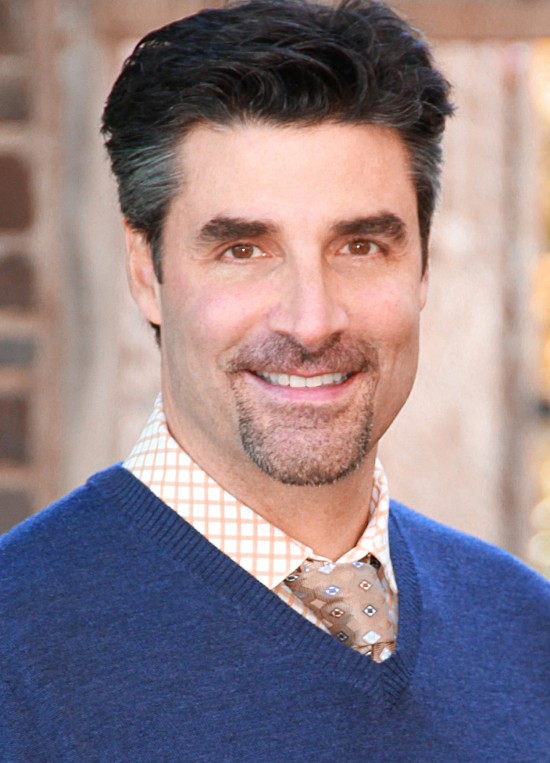
In this episode of Inside Personal Growth, Greg Voisen sits down with Richard Orlando, a man who has spent over two decades sitting at the kitchen tables and in the boardrooms of some of the world’s most successful families. Richard is the founder of Legacy Capitals and the author of the transformative book, Legacy: The Hidden Keys to Optimizing Your Family Wealth Decisions.
The conversation dives deep into a paradox that many high-net-worth individuals face: they have mastered the art of accumulating financial capital, yet they often feel a sense of dread when considering the future of their family and their impact on the world. Richard’s mission is to bridge that gap, shifting the focus from the technical “how” of estate planning to the deeply personal “why” of legacy living.
The Myth of the End-of-Life Legacy
One of the most profound shifts Richard Orlando introduces is the distinction between “leaving” a legacy and “living” one. Conventional wisdom suggests that legacy is something crystallized in a will or a trust document—a final gift or set of instructions left behind after we are gone.
Richard challenges this, arguing that legacy is actually a living, breathing entity that is formed by the decisions we make in the present moment. “Legacy is about how we choose to live each moment of our lives,” he notes. If a parent wants their children to be philanthropic, they cannot simply write a check at age 80; they must model generosity at age 40. If they want a family business to survive into the third generation, they must foster a culture of communication and shared values today.
The Five Capitals: The FISHES Framework
To help families navigate the complexities of wealth, Richard utilizes a framework known as the Five Capitals (often remembered by the acronym FISHES). Most wealth management is focused exclusively on the first capital, but Richard argues that without the other four, the first is likely to disappear or cause family strife.
-
Financial Capital: The money, real estate, and assets. While essential, this is the most “liquid” and volatile form of capital.
-
Intellectual Capital: The collective knowledge, life experiences, and wisdom of the family. This includes the “Life IQ” required to navigate challenges.
-
Social Capital: The family’s reputation, their networks, and how they use their influence to impact their community.
-
Human Capital: The physical and emotional health of the family members. This is the foundation upon which all other capitals are built.
-
Spiritual Capital: The family’s values, purpose, and faith (the transcendent). Richard describes this as the “Spiritual GPS” that keeps the family on track when the “gravitational pull” of money threatens to lead them astray.
Money as a Magnifying Glass
One of the most striking metaphors used in the podcast is the idea of wealth as a magnifying glass. Money does not change people; it amplifies who they already are. If a family has underlying tensions, unresolved conflicts, or a culture of fear, a sudden influx of wealth—such as a business sale or a large inheritance—will only magnify those issues.
This is why “Financial IQ” is not enough. Richard stresses the importance of “Life IQ”—the ability to be a resilient problem solver. He shares that families who flourish over 100 years are those who teach the next generation how to fail, how to learn, and how to stay grounded in values that are more important than the bottom line.
Moving from Fear to Purpose
For many patriarchs and matriarchs, the primary driver in wealth decisions is fear: fear that the children will become lazy, fear of family conflict, or fear of losing what took a lifetime to build. Richard’s approach is to move families away from this “fear-based” planning and toward “purpose-based” planning.
He shares a moving anecdote about a ritual he performed with a family where they wrote down their greatest fears on biodegradable paper and threw them into the ocean. This ritual served as a psychological “reset,” allowing the family to stop running away from poverty or failure and start running toward a shared vision of impact and generosity.
The Role of Philanthropy and Generosity
The discussion also touches on the difference between “check-writing” and true philanthropy. While large donations are vital, Richard encourages families to involve the younger generations in the act of giving. Whether it’s helping a neighbor start a business or volunteering for a local non-profit, engaging in “Agape” (love-based) giving helps heirs develop a sense of agency and purpose that money alone cannot provide.
Building the 100-Year Blueprint
Ultimately, Richard’s work at legacycapitals.com is about helping families create a “100-Year Legacy Blueprint.” This isn’t just a legal document; it is a shared mission statement that defines what the family stands for. It allows for different branches of the family to manifest their values in different ways while remaining anchored to a common North Star.
As Richard Orlando explains, “Just because someone is related by blood or marriage does not mean they can work together.” Success requires intentionality, the willingness to have “messy” conversations, and a commitment to nurturing the spiritual and human capital of the family above all else.
You may also refer to the transcripts below for the full transcription (not edited) of the interview.
Well, welcome back to Inside Personal Growth. This is Greg voisen host of Inside Personal Growth. And Richard is joining us from Philadelphia and he is somebody I've wanted to have on the show for quite some time. And we're going to be talking about his book. You want to hold that up, Richard, so we can let our listeners all know about your book.
00:00:24:10 - 00:00:52:12
Speaker 1
It's called Legacy, and it's kind of hard to read the rest of it because what happens is things blur out, but we'll give him a link to that for all of you. We're going to let you know a little bit about Richard before we dive into the questions regarding the book. He's really excited to have him on because the way he approaches wealth management and decisions is important.
00:00:52:12 - 00:01:22:14
Speaker 1
The book title is Legacy The Hidden Keys to Optimizing Your Family Wealth Decisions and what Richard's been doing for over 20 years has been a trusted advisor. Some of the world's wealthiest pardon me will cut that out. World's wealthiest families serving over 450 families and 4540 500 advisors. His clients range from 20 million to over 3.5 billion in wealth.
00:01:23:00 - 00:02:00:01
Speaker 1
So he's a very busy man. But what makes Richard's approach unique isn't just his expertise in financial capital. It's under his understanding of the true legacy planning. We're going to talk about the Encompass thing five forms of capital financial, intellectual, human, social, human, and most importantly, spiritual capital, which really got me excited. The book challenges the conversation wisdom that legacy planning is about end of life decisions or simply transferring assets.
00:02:00:01 - 00:02:30:06
Speaker 1
Instead, he argues that legacy is about how we choose to live each moment of our lives and about living our legacy that is really important. That is the important point. We're going to explore these five most important family wealth decisions every family faces. How do we ensure happiness in some element? How do we transfer wealth wisely, and how do we prepare for next generations for the responsibility that comes with success?
00:02:31:09 - 00:02:42:00
Speaker 1
Welcome to the show, Richard. Thanks for taking this time to be with my listeners and talk about your book and what you do at legacy capitals.
00:02:42:23 - 00:02:59:16
Speaker 2
Greg, thank you for this opportunity. And as you know, I learned of your podcast because I watched a number of them. One in particular forwarded to you were just tremendous value in your conversation. So I, I hope to add to your, your, the value you bring in to your audience.
00:02:59:16 - 00:03:29:01
Speaker 1
Well, you certainly will. And, you know, there are a lot of family offices out there that get this show and listen to it. And for you in particular, great and for you that are building wealth also pay particular important to what Richard has to say not only about his book today, but what he says during this podcast, because the concepts that he is going to articulate really will change the way you look at your legacy.
00:03:29:01 - 00:03:49:23
Speaker 1
Now you open the book with some powerful distinction, right? This, like I said in the opening about you legacy, not about leaving a legacy about, but it's about living your legacy. Can you share kind of what led you to this insight after working with really some of the wealthiest families in the world for the last 25 years?
00:03:51:15 - 00:04:13:10
Speaker 2
Yeah. So in addition, I think it's important, a couple of things that just laid a foundation of where I'm coming from. Part of it is, yeah, I have the advanced degrees and some books and stuff like that and a team, an awesome legacy capital team that is helping. We do it together, serving all the families that you mentioned and the, you know, the significant wealth.
00:04:14:04 - 00:04:41:10
Speaker 2
But a lot of the learning is sitting at the kitchen table and the boardroom table of successful families and learning, being curious and learning from them. So to answer your question, you know, one of the I don't know, it's I don't think I'm the only one who ever thought of this. But what that became very clear to me is conventional wisdom, especially in wealth management, the family office world about legacy planning is really focused on end of life planning.
00:04:41:10 - 00:05:00:15
Speaker 2
What are you leaving behind? And I've done that. I've done it for my own family. I have an estate plan. I had to think about what happens when I'm not here, my wife's not here, what happens to the kids? But that's not the that's kind of a tough conversation. People tend to avoid it, tend to update, avoid updating their estate plans as an example, or even having one.
00:05:01:17 - 00:05:28:01
Speaker 2
But really, the energy and the approach I think is much more helpful to families and individuals to think about what is the intended legacy that I am living for, and then let's live it because that's what really you're leaving behind anyway. So if you if we all think in our own minds of certain celebrities who maybe have fallen from grace, they're not dead yet.
00:05:28:01 - 00:05:50:16
Speaker 2
But but where they are today in our minds and hearts, where legacies are left or on paper, in books or in movies, it's really what we how we live. That really is what becomes our legacy, cemented the material which is relevant. You have to do that. Planning the material. Where does the foundation go? Where do the homes go?
00:05:50:16 - 00:06:10:09
Speaker 2
Where does the investments go? Where does the operating family business go? Of course, that's going to be part of planning. But I think the reality is how you and I decide, how our listeners decide what am I going to do today in terms of what I believe is important and how am I going to carry that on and live that out in my work and my family and then ultimately in the world?
00:06:11:00 - 00:06:39:09
Speaker 1
Well, don't many of the families that you work with obviously have high net worth? I'm sure they're philanthropic in nature. They've set up their own family trusts and foundations. Maybe some of the kids are working for the foundations. Do you find that that work itself is living the legacy? I was just thinking about somebody just said the other day they use the example of Dolly Parton.
00:06:39:09 - 00:06:43:20
Speaker 1
She was 80 years old yesterday, right? Your birthday, huh? Right.
00:06:44:06 - 00:06:45:15
Speaker 2
Happy birthday, Dolly.
00:06:45:15 - 00:07:19:15
Speaker 1
Happy birthday. My point is, you know, she is philanthropic. Many of these big names are philanthropic. They're giving away money or they're involved with a charity or they're doing something where when you say living the legacy, I think it's one thing to write a check and it's another thing to actually be engaged. Yeah, right. And so speak to me about the difference because I have my own foundation and I work with the homeless and I'm very much engaged in it, but I'd like to be more engaged in it.
00:07:19:15 - 00:07:37:21
Speaker 1
But I think very busy people have a difficult time trying to do that. So instead they write $1,000,000 check. I know Jeff Bezos, his wife, just wrote a $6 million check to a local nonprofit for homeless here in north San Diego County.
00:07:37:21 - 00:08:04:03
Speaker 2
Yeah, two nights ago, I watched a very recent over an hour interview with the Buffet's three children who are middle, middle aged folks talk about the philosophy of their family and starting with their dad on their philanthropy and how with each of their adult children are playing it out differently. But what whether it's that level of money because they were talking about eventually it's going to be 150 billion they're going to be responsible to give away.
00:08:04:10 - 00:08:21:16
Speaker 2
But now it's hundreds of millions. The point being is it's a great question. Yes. If you're giving if you're donating, if you're a charity, if your generosity, whether it's your time, your talent or your treasure, your your financial capital.
00:08:21:18 - 00:08:22:02
Speaker 1
Right.
00:08:22:10 - 00:08:45:08
Speaker 2
If it is intended to manage impact based on what you believe is important in life, that absolutely is an expression of how you're living your legacy. You're communicating to the world through generosity what you believe is important. And so, sure, that's going to tie in to how people might remember you, your family, your foundation.
00:08:45:14 - 00:09:05:22
Speaker 1
Well, I think you know, look, a good example is like Jimmy Carter, you know, when, you know, he went out and did all the homes for the homeless and built homes. I think it's a it's a great tribute. And there is a man that was truly dedicated, I mean, like nailing hammers and nails and doing everything. You saw him out there right?
00:09:05:22 - 00:09:26:07
Speaker 1
So I was really impressed by what he did. And I think many of these extremely affluent folks have so much money that it's hard to actually get involved with all of them. It's like, okay, we did our research in our due diligence. We find out which charities we like. We're going to give the money to these particular charities.
00:09:26:18 - 00:09:35:14
Speaker 1
And I the one you just mentioned about Buffett, the one who wrote the soundtrack for Dances with Wolves or whatever, I'm trying to think of this.
00:09:35:20 - 00:09:40:23
Speaker 2
Yeah. Oh, yeah. I saw him on the screen. I'm drawing a blank on his first name. Yep, I know.
00:09:40:24 - 00:10:07:02
Speaker 1
Yeah, He just gave a friend of mine who did a documentary, $1,000,000, to complete that documentary on Oh, and I would call it the sustainable farming rate. There is a land institute in the middle of Salina, Kansas, where we're depleting our soils. And so this documentary brings up the fact of, you know, we've got to change our agricultural practices, right?
00:10:07:09 - 00:10:41:16
Speaker 1
And he's very much into that. So it just shows, you know, little by little, they're doling these out in different ways to different people, to things that they're involved in that they like and what they want to do. You know, you've developed, though, this fascinating framework with five capitals. It's financial, financial, intellectual, social, human and spiritual. The last one I'm really interested in diving into because, you know, I today I don't see people so much as religious, but more spiritual, right?
00:10:41:16 - 00:11:00:13
Speaker 1
And most wealth advisors focus almost exclusively on financial capital. It's like what they do. Or why do you argue that spiritual capital is actually the most powerful piece for navigating family wealth decisions?
00:11:00:13 - 00:11:26:12
Speaker 2
And you're right, I draw an analogy to a personal GPS is our spiritual capital. So let me let me explain that first. The idea that there's multiple capitals is not I can't take credit for that. What I did attempt to do is use the the framework fishes as an FISA s and then operationalize or make an attempt to operationalize this intangible of spiritual capital.
00:11:26:12 - 00:11:57:09
Speaker 2
So thank you for highlighting that. One of the great catalysts for that for me is Jay Use, who's a pioneer in this field, in family wealth, in the broader sense, in one of his first book, the opening, and then kind of moves on about how he believes in his experience. It's hard for families to have multigenerational success enough financial but flourishing without spiritual capital.
00:11:57:09 - 00:12:33:00
Speaker 2
And he kind of defines it mostly by love. And I think that's also true. And I thought, as you know, serving families now 20 plus years, really what sometimes is very practical decisions in life, you buy something because you're going to make a profit on it and you're done. But most of life, going back to legacy and big decisions, how we raise our children, how we build companies, how we do our generosity, how we do our giving, whether someone's conscious that of not is based on what we value, what we believe is important.
00:12:33:00 - 00:13:02:09
Speaker 2
Our philosophy, our life, our purpose, our purpose for our resources. And to me that is spiritual capital. Now a little another layer, but what I did in the book, as you know, is I had I, I was never forget I was driving with my wife as I was in the process of writing and I was thinking through this chapter and I said, I wonder if there's an equation I can create so that it provides some way for someone to think about their spiritual capital in a more tangible way.
00:13:02:09 - 00:13:30:21
Speaker 2
So I basically came up with that special capital is your values plus your purpose times your faith. Lowercase f And the faith part really means the transcendent because the happiness and positive psychology research at Wharton and other schools have found that that attribute of transcended something bigger than ourselves. Is key to living a meaningful legacy. And that's what I came up with.
00:13:30:21 - 00:14:03:00
Speaker 2
Now, what I have found with families and this ties to all your good questions so far, those who are more aware of their trend of the transcendent to the literal faith that they might have in a religion generally tend to be more charitable or more focused on that. Not always the spiritual part. I've worked with a number of families who have significant, significant wealth but maybe don't even have a foundation or don't.
00:14:03:00 - 00:14:26:18
Speaker 2
It's mostly a check writing experience, and I think they're missing more of the reward of life and the part of the legacy they want to leave. And as I say in my book, in the later chapter, the modeling of that for future generations, again, it doesn't I mean, I happen to be a Christian, but it doesn't have to be a literal faith base to think of big something bigger than yourself.
00:14:27:00 - 00:14:34:24
Speaker 2
And that tends to orient us a little bit like the satellite in our G.P.S. kind of gives us some perspective that there's bigger things going on.
00:14:34:24 - 00:15:03:22
Speaker 1
You know, I just recently did an interview with a lady that worked for Ken Blanchard for 23 years, and he got connected with Norman Vincent Peale way back when. Right. And Ken is spiritual but doesn't actually put him out. He says that Jesus is philosophy is what it is. He doesn't identify as Christian. He just basically says, I'm spiritual, right?
00:15:03:22 - 00:15:29:19
Speaker 1
I thought that was interesting because he didn't grow up in a family where they did that and then got exposed later on to Norman Vincent Peale and Robert Schuller and people like this and that. That brings me to this question with you, because, you know, many of the people listening to this have seen that TV show Succession. And it's messy, right?
00:15:30:01 - 00:15:43:11
Speaker 1
And there are messes in families. I just watched a show documentary about out here in California and it's in Pennsylvania now. They just opened a headquarters in and out burgers.
00:15:43:11 - 00:15:43:21
Speaker 2
Yes.
00:15:44:04 - 00:16:17:18
Speaker 1
So if you know the story about the family and the succession, you're like sitting here going, oh, my gosh, how did this family lose all these members of the family for it to end up with the granddaughter? And what a mess, because there were drugs and there was issues. And then the even the gal that's running it, Lindy, right now had her own drug problem went it basically gave her life to Jesus runs these these Christian based groups inside the company and she's worth $9 billion now.
00:16:18:00 - 00:16:36:13
Speaker 1
Right. The single sole survivor of everyone who predeceased her before. Right. But when you look at the messes and that's why I look at this, why how do you as an advisor and a spiritual person help these people answer the why?
00:16:36:24 - 00:17:07:06
Speaker 2
Yeah, not easily. And it's it's not a one time conversation, but I think the intention and the orientation of the work that way, when we're honored to be hired and engaged by these types of families, is I think we all and this is my part of my philosophy, part of my learning. I think all of us inside have a sense that there's there's something important that we're we might be meant to accomplish or do or is before us.
00:17:08:07 - 00:17:31:09
Speaker 2
We have to make a decision about that, whether it's conscious. So for many people, there is a turning point where they go, If I don't decide this, get off that path, get on this path, refine my path. It doesn't always turn out good. Having said that, like like I love this. I watch succession religiously and I know a little bit about the In-N-Out Burger story.
00:17:31:09 - 00:17:52:15
Speaker 2
I think the why is really thinking going back to that spiritual capital, like I'll give you a give you an anecdote. I'm talking to a new client, let's call it a year ago had $100 million plus liquidity event, sold the business and we're just getting to know the family. And I was just a call with the mom and a dad, the aunt, they were both the entrepreneurs, founders of the company.
00:17:53:16 - 00:18:08:09
Speaker 2
And I said to them, What's the purpose of your resources? What's the purpose of your wealth? And immediately they went to explaining to me the terms of their trusts, how their children will get access to it. When y and I said, I said.
00:18:08:22 - 00:18:10:01
Speaker 1
That's not what I meant.
00:18:11:12 - 00:18:39:08
Speaker 2
That's and I said, important. I'm asking what's the purpose of your resources? And they go, We never thought about it. I said, Let's role play right now. And almost immediately the wife went to philanthropy and the husband kind of just piggybacked and said, Entrepreneurship, helping people with businesses. And I go, That's the purpose. Now how do we start taking that and formulating it into a living legacy?
00:18:39:08 - 00:18:58:18
Speaker 2
How we how, if at all, are you doing that with your children? And now a year later, we're now working with them on their philanthropy, including the adult children and the spouses and the next generation around. What are those shared values? How do they manifest them and who do they not like? What's outside the scope of their mission and purpose?
00:18:58:18 - 00:19:23:19
Speaker 2
And it's really interesting. This might come up also in our conversation, besides the formalities of giving to 501c threes. And that's an insanely important part of the philanthropy strategy and mission. They also talked about how do we just help the guy next door, the kid in school, the lady down the block that's trying to start a business. They just wanted to know that they could just be on the ground in their backyard helping people.
00:19:24:00 - 00:19:29:14
Speaker 2
And that's part of their philanthropy and that's what they're getting clear now in a multi-generation way.
00:19:30:09 - 00:20:00:07
Speaker 1
Well, impact investing is like that, too, right? So, in other words, you know, I have a family office where I wrote a book with a guy, Beau Park, that the precipice of life is climbed all the high end seven summits. He's now an executive at DLP in Florida. The issue is, is that they like impact investing, like, okay, we're going to take money and we're going to loan it to people in Africa or in these in these parts of the world where it's, you know, very, very impoverished.
00:20:00:07 - 00:20:26:13
Speaker 1
Right. Or we're going to buy taxicabs for these guys and we're going to have them make payments back to us for that. So I found that impact investing is one of the ways people can do that. You know, you you asked a very compelling case that money kind of acts as a magnifying glass. It kind of amplifies every issue in a family, whether it's emotional, relational or legal.
00:20:27:02 - 00:20:51:12
Speaker 1
And here's the thing. You know, you have to be like the quarterback at wealth capitals. You deal with an estate planner who's actually thinking about the how, meaning the attorney, how do we do this right? Here's how we're going to do this. Oh, we're going to do a charitable remainder trust or we're going to do this and we have all these different tools we're going to work with.
00:20:52:18 - 00:21:27:20
Speaker 1
But you're kind of the y guy, you know, and it's your your position is really interesting. Can you share a story that illustrates how spiritual capital helps balance out these competing and complicating impacts of wealth? Because, you know, I know after going to a few of the events that I'm sure you've attended, plenty of them, I forget the name of them where, you know, psychologists are there and the CPAs are there and the people are all there.
00:21:27:20 - 00:21:49:21
Speaker 1
But the reality is it takes a team to get this done. You said you had a team there. Right. And I think what's important for our listeners to understand is you get this kind of wealth. It does require a team and it requires a team that's in alignment with one another. So speak with us about how you help balance this out for this.
00:21:49:21 - 00:21:50:03
Speaker 1
Yeah.
00:21:51:03 - 00:22:18:20
Speaker 2
I'll start with just a quick anecdote and then kind of move to some of the practical ways we do it. So we've been working with this family, let's call it 18 months and Fabulous family came from no wealth now very, very significant wealth. And they're trying to figure out they want to have 100 year legacy blueprint. That's what that's the work we do with families, is helping them create their 100 year legacy blueprint.
00:22:18:20 - 00:22:46:13
Speaker 2
Not the only work we do, but it's one of the core pieces. And why I'm saying that is because here's where some of the practical part comes in part of that is literally helping them. Sometimes we start, we'll call it the parent, the leading generations. But many times, if there are adults in the next generation and the family has any kind of shared cohesion and culture will do it multigenerational at the same time, literally helping them create a multigenerational vision mission.
00:22:46:13 - 00:23:11:22
Speaker 2
What are the shared values? We may not see everything the same, but what are we sharing? What are we anchoring on? What's our North Star as a family and what are we moving towards? Part of that's part of the practical. Part of it is what's the family heritage story? Not how much wealth do we have, but who would we come from and how does that influence us today, and what do we want to take from the past and what do we want to leave in the past is a nice lesson learned.
00:23:12:19 - 00:23:34:10
Speaker 2
And and then when we show models like fishes, financial, intellectual, social, human and spiritual, we start to broaden the way they think about their resources. So the daughter or the son in law who's not involved in the business, not involved the investing, who didn't feel a place, starts to realize, Oh, I can contribute to the family's human capital or social capital or spiritual capital.
00:23:34:10 - 00:23:56:13
Speaker 2
So this one family has just been really, over time, tapping into their spiritual capital. And we were working after we did a two day family retreat. And I'm walking side by side with the patriarch who I've, you know, I've been honored to my team to be able to serve this family. But here's here's an example of how it's evolving.
00:23:56:13 - 00:24:12:22
Speaker 2
To your point. I go, you know, have you had a chance to use the golf course at that place where you're a member and such and such a place? Because this is what he said to me, Rich, I have so many toys, I don't even get to use them anymore. Like, this is like this is not what I meant to be doing.
00:24:12:22 - 00:24:27:10
Speaker 2
I got to figure out how to get more aligned with what's important to us and how to use my time and how to use our resources. And I think that's a manifestation of that work, you know, and part of it is age. You know.
00:24:28:00 - 00:24:57:06
Speaker 1
You look at your finitude, it is right. Your age is a real factor that's looking at how you will distribute wealth. The other thing that's a factor that complicates your role is differing values between the generations. So sometimes you've got first, second, third generation, right? You've got parents, children, grandchildren, right. And you're planning or you're you're laying out a blueprint for all of this.
00:24:58:17 - 00:25:23:12
Speaker 1
And you'll also find that many times you run into this, you know, you have to educate people that they hardly can control their money from the grave or that's not the best way to do it. Right. So can you distinguish between this financial IQ that you talk about, life IQ when it comes to preparing the next generation? Okay.
00:25:24:00 - 00:25:53:07
Speaker 1
And can you explain this difference and share some of your ten principles for raising children's life? I cues that any parent, regardless of wealth level, could really apply because this is this is the complexities actually do come in into the psyche of the the parents, the mom and dad who usually have acquired this wealth about the distribution of this wealth down the chain.
00:25:53:15 - 00:26:06:00
Speaker 1
Right. And I really would like to know. I think there's a lot of people listening right now. They're going, okay, Richard, we we really know what what you're going to advise us this.
00:26:06:00 - 00:26:26:04
Speaker 2
I want to play off of what you were talking about before. So in our work, not only do we have the internal legacy Capitals team, but you're right, almost in every occasion where partnering, collaborating alongside will just call their technical advisors their family office. That is a natural part of doing it. So it takes all of us to deliver what a family needs.
00:26:26:04 - 00:26:50:06
Speaker 2
But more specifically, and this would be my second headline for our conversation, you hit on the first one, which is legacy planning or legacy living is really more about how we live. There's end of life planning, but families will do much better if they focus on their intended legacy and then living that out. The second one is because financial capital has this, I believe I call it the gravitational pull.
00:26:50:14 - 00:27:13:17
Speaker 2
It requires so much attention and energy. Whether I'm going to get to a question of whether you have that or not, that I think it's important to. So therefore, the default position most parents have is if I'm the president next generation, they better be smart on financial matters. And I think that's a big a limiting perspective, a very limiting perspective.
00:27:13:17 - 00:27:49:20
Speaker 2
So now why financial IQ in life? IQ Because ultimately, how we flourish in life, how we live meaningful lives, how do we live meaningful legacies? How do we have impact impact investing? Venture philanthropy is by being resilient problem solvers, learning to see failure as an opportunity to grow and learn. That's what's going to distinguish the meaning and the the personal satisfaction and then ultimately the benefit of our impact, however small or large it is.
00:27:50:01 - 00:28:16:23
Speaker 2
Whether we have $100 in the bank or 100 million in the bank, that's really what matters. Now, having said that, I'm not naive. We work with people with significant wealth, part of stewardship, especially if the next generations are going to have any responsibility of either interfacing with a family office, the advisor team, or being directly responsible for running a foundation or running some investments or running a family company.
00:28:17:10 - 00:28:46:01
Speaker 2
You've got to have some level of financial IQ, estate, IQ to tax IQ. And just depending on your level of stewardship and leadership, you're going to need to know more than that. So one of the guidelines we use with families and I learned it from my family, as he said to his family, whatever role you all choose to play in our family enterprise, it has to be a minimum level of financial education in the broader sense, financial education.
00:28:46:16 - 00:28:57:12
Speaker 2
And he used the analogy of learning a new language. He said, Everyone in our family needs to be conversant in these matters, but you don't have to be fluent. And I think that's a really good indication.
00:28:57:12 - 00:29:23:23
Speaker 1
That's really good. What you said, you know, conversant but not fluid. And, you know, we you think about it. I think because the patriarch was so kind of invested in how they got their money for so long, it's harder for them to let go. It's harder for them to change that value. Right. That's a value they live by.
00:29:23:23 - 00:29:50:13
Speaker 1
And it doesn't matter if they're, you know, if they're Catholic or Jewish or it doesn't really matter. But the reality is, I think because it's almost like glue, it's like, look, we we got here through our hard work and our efforts and our tenacity and whatever we did to do this, that they've hung on to that they've hung on to those values.
00:29:51:00 - 00:30:20:24
Speaker 1
All right. But it doesn't always transport to the next generation in the next generation. That's those same values. And I think in your book to really get this life IQ is very, very important for people Now, you you know, your book covers a lot of topics and you've said values and purpose. And I've used values and purpose so many times.
00:30:21:15 - 00:30:55:17
Speaker 1
But he who has a why you say to live for can bear with almost any how and it seems central to your philosophy. And how do you help families identify and articulate that deepest why which we've talked about? In other words, you've touched on it. But if you want to give us an example that might be good of how you were able to help either the the founding parents, I'm going to call it get there.
00:30:56:00 - 00:31:19:06
Speaker 1
And when is does it come to their wealth and their legacy? Because that why I'm doing all this. And I think a lot of people, you know Simon said it's been on my show a couple of times and this is about the why. I don't believe a lot of people ask the why question. They're so involved in the how that they've made all this money just through.
00:31:19:14 - 00:31:39:15
Speaker 1
This is our process. This is how we've done it. We're in and out. BURGER where whatever we whatever company it is, and this is how we do it, you know, we have fresh meat. It's not and it's not frozen and we're going to do this and then this is going to make us a lot of money. And people come and there you go, right before you know it, 40, 50 years later, you're sitting on $9 billion.
00:31:40:00 - 00:31:59:15
Speaker 2
Yeah. And sometimes the why could be I don't ever want to grow up in the context. I grew up in poverty, struggling, seeing my mother. Sometimes it's fear and running away from something. And that's a that's a motive that could be a motivator. It doesn't last over time if you're trying to flourish the next sort of generations are driven by fear alone.
00:32:00:03 - 00:32:01:23
Speaker 2
But to your question, we've touched it.
00:32:01:23 - 00:32:32:04
Speaker 1
But I will say, Richard, to the first generation where the zero generation generated this wealth, frequently that value does not always transfer. Yes, and definitely to the third generation, which might be the children of their children, like their grandchildren, you'll see a completely different set of values. And you've got to work in families where even those grandchildren are now are in their twenties.
00:32:32:13 - 00:32:37:18
Speaker 1
Yeah, right. Because you're looking at how old people are and how long they're going to live.
00:32:38:18 - 00:33:01:11
Speaker 2
So Greg, I'll build on that. And then we some and some of the families were doing that across multiple branches at the same time. So the branches are sharing a common set of parents or grandparents and now you got different ways each branch is manifesting it, not to mention the grandchildren. Generation G three using ag02g3. So we talked about a couple of ways of that.
00:33:01:13 - 00:33:23:22
Speaker 2
Why the importance of the Y, whether it was that anecdote of asking the people that the purpose of their wealth or values, mission, vision and creating all of that. I remember one of the areas sometimes is just by a really meaningful conversation. This just came to mind to let me put it out there. So there's an exercise we did with a family that we were learning early on.
00:33:24:03 - 00:33:51:12
Speaker 2
They were highly, highly motivated. The generation, the wealth created generation was highly motivated by fear, not losing it, not going backwards. The challenge was that's not foreign to us, was they were instilling that fear, not the hard work ethic. Yeah, Yeah. So now it's always working against them. The kids were feeling paralyzed. And when I say kids, we're talking about young adults paralyzed.
00:33:51:21 - 00:34:10:03
Speaker 2
So we, my team and I, we came together in a try to get to the punchline really quick. We thought, how do we create a ritual for this family where we don't shame that, but we acknowledge it and then we try to help them put it behind them. And so what we did is we came up with this exercise.
00:34:10:03 - 00:34:27:21
Speaker 2
We were at this really nice resort on the water doing this family retreat. And basically what we came up with, we found that this paper that deteriorates when you put it in water in the ocean. And so the ritual was they all had to the meeting, write down their top whatever was top three fears.
00:34:28:04 - 00:34:28:13
Speaker 1
Right.
00:34:28:20 - 00:34:45:17
Speaker 2
And then we ritually all walked out to the water and one by one they had to stand in front of the water and throw it in and say, those are behind me. And sometimes just doing that opens up. Then what if it's not the fear, then the why? Why now? What are we going to do with it? We have all these resources.
00:34:45:17 - 00:35:06:04
Speaker 2
We have this loving family more practically. Again, I because I can with families, we can go from the philosophy angle, which is important for some families to the practical. The practical is when you're really going after the mission statement. That's really the purpose statement. By the way, we also do advisor training. That's a meaningful part of our offering.
00:35:06:04 - 00:35:39:14
Speaker 2
And in our advisor training we part of the trainings, we showed the Simon Sinek video, the the Why, the how and the why. So the why could also bigger of a family we're working with now that they're part of the families in the in the US government and we're working on the mission statement and they have a very big family enterprise and that it's a probably a month, it's 4 to 8 weeks for them to figure out the mission so that it captured who they were as a family, not just because they had this big family business.
00:35:39:21 - 00:35:56:14
Speaker 2
And in that case, faith was a literal faith in actual Christian faith. But that that's not the point to manifest that to get to their core. Why, across a couple of generations of adults, it took 6 to 8 weeks, but it got clearer for them.
00:35:56:15 - 00:36:21:02
Speaker 1
Well, 6 to 8 weeks, considering the lifetime it took to actually get there is pretty darn quick when you think about it. I mean, I mean, my hat's off to you because you and your team not only put on these family retreats and then to navigate the board meetings that these people have as well, because you want to do the family board meetings, you got to coordinate all that.
00:36:21:02 - 00:36:52:17
Speaker 1
You get to pull it all together. You got to get all the people there, and then you have to have a blueprint, a plan to move forward with that. And doing all that is a lot of people listening. They don't really understand. It's pretty monumental to not only accomplish it, but then to have the action steps afterwards be put in place to say, okay, we now all agree this is a great way, or even if we don't all agree at least mom and dad agree, we're we're going to move we're going to move the needle here right?
00:36:52:17 - 00:37:09:18
Speaker 2
Yeah. No, it's a great point. It's I mean, it's not enough to know you have to put it into action. And we say that to the families. We end every meeting with what your takeaways, what your action steps, because we want them to. We want them to live their legacy. We want them to experience the benefits of making these decisions.
00:37:09:18 - 00:37:11:21
Speaker 2
So yeah, action is very much part of it.
00:37:11:21 - 00:37:39:23
Speaker 1
Yeah. A Totally. Otherwise you don't accomplish that. The goal are the blueprint. You're not building the house or building the the legacy in this case. You know, you draw an interesting distinction between we've talked about this already, but giving and philanthropy. Yeah. And we already said, you know giving and you referenced the concept of a copy giving from love, which you've talked about here already, rather than obligation.
00:37:40:17 - 00:37:55:12
Speaker 1
You said the lady down the street who needed help or this person who needed help. How does this shift in perspective change the way families, all the family approach charitable giving and social impact that they can make?
00:37:55:19 - 00:38:23:13
Speaker 2
Yeah. Yeah. In part what I'm trying to suggest there or communicate is and, and it's it's so simple, but it does have a real practical ripple effect across families. So what trying to say there is the etymology of the word philanthropy is is the love of humans, the well-being of others. That is etymology. And I understand philanthropy tends to be synonymous with financial capital.
00:38:23:21 - 00:38:45:19
Speaker 2
It's not like I don't understand why that is. We give to a ministry in New York. It's not like I don't understand that. But in the families we're serving big if again, if we're only staying, if we're defining the ecosystem of the family by only, it's financial resources, then we might as well have only financial education. Going back to the financial like your life, like you.
00:38:46:00 - 00:39:11:14
Speaker 2
If we're only determining philanthropy by the financial capital family has that. What if I don't have the financial capital? What if I'm a family member who's just trying to get through college or I'm just trying to pay my own bills because my mom and dad doesn't I haven't got access to a trust yet. Or maybe it's only one of the parents who have the passion to be involved in direct philanthropy, whether it's investing, whether it's going on hands on.
00:39:12:05 - 00:39:31:08
Speaker 2
So when you open it up to this, we don't get credit for time, talent and treasure. I don't know who does, but that's not us or opening it up to philanthropy or as one family said to us, we really like the word generosity because generosity they felt could be more embedded into everybody. How you treat them, how do you treat the cashier?
00:39:31:14 - 00:39:42:18
Speaker 2
How do you treat the person who pumps your gas? How do you handle your neighbor all the way up to the most sophisticated foundation or foundations as the Buffetts have? There's three foundations amongst the three children.
00:39:42:24 - 00:39:43:11
Speaker 1
Peter.
00:39:43:14 - 00:39:45:12
Speaker 2
That's it. Yes. Thank you.
00:39:45:12 - 00:39:48:20
Speaker 1
It came to me when you said that, Peter Right.
00:39:48:21 - 00:40:08:07
Speaker 2
I gave it so the most sophisticated give away. Hundreds of millions affecting the globe, affecting in the U.S., but on the ground. The point of that article and I and I actually I'm sorry, the part of that chapter, as you know, I then want to I want to level said that philanthropy. Yes. Involves financial capital. But that's not all it involves.
00:40:08:07 - 00:40:29:07
Speaker 2
Then I apply that concept or that truth to the five capitals. So, yes, how do you give through your financial capital? Clearly, that's what will assume by and large. But if all get I've been part of a family and the foundations over there and it's been run by my aunts and uncles and not me and I don't even have a voice yet, I'm not even at the table yet.
00:40:29:23 - 00:40:48:09
Speaker 2
Can I be philanthropic? Yes, you can. What? Your time, your talent, your generosity. So that's really a point of it. So that I give examples. How do you give through human capital, Intellectual capital, Spiritual capital. Social capital. Social capital is one of those. And I think a lot of people are aware of the social capital is one of the excuse the pun, richest capitals.
00:40:48:09 - 00:40:52:11
Speaker 2
We have our chips. Yeah, networks. Anyway, I.
00:40:52:11 - 00:41:22:08
Speaker 1
Think it it is I mean, I think orchestrating connect Asian, our biggest wealth is in our ability to connect with people and build this community of support around us and now for all my listeners, we're going to link to Amazon, look to the show notes below. Richard's book will be there. I want to remind you also go to Legacy capitals dot com to learn more about Richard, the book and what we've been talking about.
00:41:23:02 - 00:41:53:10
Speaker 1
He's got some great information there and obviously you'll have an opportunity if you want to hit the contact button and reach out to Richard and the team there. He's got a great team that can help you with any of this. Now, Richard, kind of looking at family businesses and relationships. Right. I think the statistic has been shown so many times that the stats show that only 30% survive second generation and 12% to the third generation.
00:41:54:04 - 00:42:24:05
Speaker 1
And you've worked with all these multi generational families. Yeah. You made a reference just a few minutes ago about fear, the fear of loss, the fear that their children are becoming lazy, the fear of family conflict and kind of wrapping this up. What's the first step towards shifting to a values driven, more spiritually grounded approach in your estimation?
00:42:24:17 - 00:42:36:09
Speaker 1
And does that have anything in your humble opinion to do with how many generations of business might survive?
00:42:36:09 - 00:42:56:12
Speaker 2
I like those really soft, easy questions. Thanks, Greg. No, but I love them. Real life. That's real life. What you just asked the best. What? Where? Where? Hoping to do a good job in the families were serving. Because that's what that's what's happening in a lot of cases. Just one qualifying comment because that statistic is quoted a lot about success, success of family businesses.
00:42:57:20 - 00:43:13:07
Speaker 2
Not to my credit. Someone else did this, did some further research, but I just want to qualify that. I think that the more dim prediction in part doesn't factor in that some family businesses are sold. So that's beside the point.
00:43:13:07 - 00:43:15:11
Speaker 1
That's important point you make. Yeah. Yeah.
00:43:15:12 - 00:43:20:07
Speaker 2
It's so it's it's not like it's 100% successful, but it's not as dim.
00:43:20:17 - 00:43:34:23
Speaker 1
And what don't you find a lot of the kids don't want to have anything to do with what their father or mother created. Yeah I mean it's like this isn't for us. We're going to go in computer science and you created a chain of restaurants or whatever it might be, right?
00:43:35:07 - 00:44:05:24
Speaker 2
So then sometimes the wisest thing that you might do for a family, sell it, get liquid, create a liquidity of wealth. And now let us like, create the new Y, the new purpose for the family. And maybe that allows people to carve out a new path. That's what I mean. There's other reasons besides it breaking down. But I think your important question is for those who wanted to last it or increase the odds of it going across the generations, the work is is thorough and substantial.
00:44:05:24 - 00:44:27:19
Speaker 2
But the questions and the and the intent is not. So if the vision and I had a call earlier today, would a brand new, very successful family that was one of my first questions because he was wrestling with succession and there's no clear family member that's even of the age to step in, let alone the experience. And they have a strong executive team.
00:44:27:19 - 00:44:46:23
Speaker 2
So what does he do? So I said, Is your vision to last? Do you want this to be family owned and controlled for many generations? He goes, It is. It is. I said, Well, that doesn't necessarily mean it has to be led and operated by family, but you can keep it controlled and oh, great. So that's that's some of the business consulting we do.
00:44:47:12 - 00:45:06:17
Speaker 2
But to improve the nature of it is you got to ask questions like what is the business need to grow and flourish given the market? You know, depending on your industry, air is going to revolutionize a lot of things and you got to know the business has potential to grow. And if so, how do you strategically set that up?
00:45:07:08 - 00:45:27:14
Speaker 2
And then, you know, I think what does the family need to succeed? And you got to answer if you care about both sides of that, you got to answer both those questions. And if the family, if it's going to some families will say not always easy to do. If this business causes so much strife and questions of families like all my family, I'll sell it.
00:45:28:08 - 00:45:48:06
Speaker 2
Others will say, this thing is going to last. And now let's figure out how to keep the family flourishing. And that is the that's the hard work. But it's pretty clear that that's what has to be done. So I literally said this on call this morning. I said, are you going to hire legacy capitals to service you in the business, serve you in the business?
00:45:48:15 - 00:46:12:21
Speaker 2
Or is this really about how your family transitions across the generations? You said 100%. My family transitions across the generations. And you start getting some of those really important questions. Start out the client, the family, and ask a clear on, okay, this is this is their why they want there. As he said to me, like every parent, I just want my kids to get along.
00:46:12:21 - 00:46:29:15
Speaker 2
Right. It's and when you have a family business, the premise of that chapter in my book is and I'm pretty confident about this after 20 plus years, although I still have a lot to learn, just because someone is related by blood or marriage does not mean they can work together.
00:46:30:01 - 00:46:30:12
Speaker 1
Right?
00:46:30:24 - 00:46:43:02
Speaker 2
You still need skills and readiness and experience to navigate sharing resources together because the more intimate you are in business, you better have a pretty strong relationship.
00:46:43:09 - 00:47:11:07
Speaker 1
Going into it. And I also think aligned values right there. Sure, there's got to be a commonality in the value that a child has and child be has, and parents have to actually get along and say that's where it is. Richard, I want to compliment you and your team for being able to provide the services that you do to so many wealthy families for two reasons.
00:47:11:07 - 00:47:40:12
Speaker 1
One, you're helping them navigate a very, very challenging area that many of them don't know anything about or how to navigate. A lot of them think they do until they've failed, trying to do it themselves to the fact that you're able to help open up so much wealth to go in so many different directions where it can help the world, where it needs to go, whether it's to the homeless or it's to any other area in life.
00:47:40:12 - 00:48:07:11
Speaker 1
I love that fact because you're opening up a world and between you and the estate tax planner and your wealth management, you guys are doing a great job For all my listeners. Go get a copy of this book because it's going to give you a unique perspective. And if you're navigating this right now, go hit the contact button at his website and reach out to Richard and the team and ask him some questions you might have.
00:48:07:11 - 00:48:25:08
Speaker 1
I'm sure they'll get back to you. But Richard, thanks for being on INSIGHT. Personal growth and sharing here years, many years of experience and your wisdom around this, because it takes a long time to put all these pieces together and you've done a masterful job of that.
00:48:26:15 - 00:48:44:16
Speaker 2
Well, we still got a lot to learn and it's part of us living out our legacy. But great. Thank you for the value you've brought to me already from the prior podcast. And you know, as part of our both of our living legacies, hope this just positively impacts those who are listening to it. So thank you for this opportunity.
00:48:45:04 - 00:48:49:00
Speaker 1
I'm grateful for you. Thanks, Richard. Have a blessed rest of your day.
00:48:49:08 - 00:48:49:24
Speaker 2
Appreciate it. Gregg.
00:48:49:24 - 00:48:50:19
Speaker 1
Thank you. Take care.
Sign up to receive email updates
Enter your name and email address below and I'll send you periodic updates about the podcast.











Leave a Reply