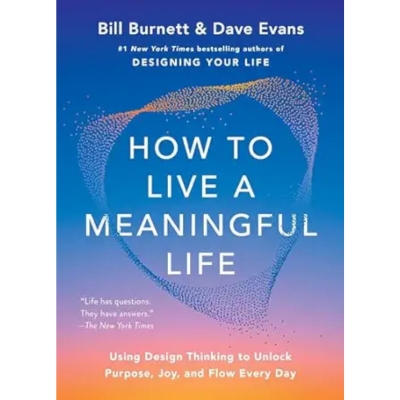
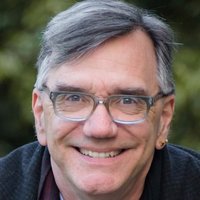
In this episode of Inside Personal Growth, Greg Voisen sits down with Bill Burnett, the Executive Director of the Design Program at Stanford University and the visionary co-author of the global bestseller Designing Your Work Life. In this profound and timely conversation, Bill discusses the core philosophy behind his latest work, How to Live a Meaningful Life: Using Design Thinking to Unlock Purpose, Joy, and Flow Every Day. This book isn’t just a sequel; it is a vital manual for anyone who has reached the summit of traditional success only to find the air thin and the view surprisingly empty.
The Success Paradox: Why You Feel “Broken”
We live in a culture obsessed with achievement. From a young age, we are told to check the boxes: get the degree, land the impressive title, secure the high salary, and accumulate the external markers of a “good life.” Yet, as Bill Burnett points out, many of the world’s most successful people wake up at 3:00 AM with a hollow ache in their chest, asking, “Is this all there is?”
The tragedy of the modern professional is the belief that this lack of fulfillment means they are broken. Bill’s message is a liberating reframe: You aren’t broken; you are misaligned. You have been using the wrong tools to solve a problem of the soul. You have been treating your life like a transaction to be optimized rather than an experience to be designed.
The Neurological Split: Achieving vs. Awakening
At the heart of Bill’s design philosophy is a deep understanding of neuroscience. He explains that our brains operate through two primary systems: the Achieving Brain and the Awakened Brain.
The Achieving Brain is located primarily in the prefrontal cortex. It is the seat of executive function—the part of us that makes lists, hits deadlines, and navigates the transactional world. While necessary for survival, the Achieving Brain is incapable of experiencing deep meaning. It is always focused on the “next thing,” living in a perpetual state of future-tension or past-regret.
The Awakened Brain, conversely, is the system that allows for presence, connection, and transcendence. This is where meaning lives. When we are “fully alive,” we have shifted our primary awareness from the transactional “doing” to the experiential “becoming.” Bill argues that we have over-indexed on achievement at the expense of awakening, leading to a “meaning crisis” that no amount of career advancement can fix.
The “Impact” Trap and the Scandal of Particularity
One of the most provocative points in the interview is Bill’s critique of the “impact mindset.” We are often told that to have a meaningful life, we must make a “big impact” or “change the world.” While noble, Bill warns that placing all your “meaning eggs” in the impact basket is a recipe for disappointment. Impact is transactional; it is an outcome you cannot always control.
Instead, Bill introduces a concept from philosophy known as the Scandal of Particularity. This is the idea that we don’t experience ultimate truths like love, beauty, or truth in the abstract or the “big.” We experience them in specific, tiny, finite moments.
“Meaning is found in the intimate, not just the ultimate.”
Whether it is the specific shade of purple on a flower during a morning walk or the look on a child’s face when you give them a cupcake, these “particular” moments are the gateways to a meaningful life. Bill teaches us to become “moment designers,” learning to inhabit the present so deeply that time seems to stand still.
Practical Tools for a Boring Tuesday
Design thinking is, by definition, practical. Bill doesn’t just offer philosophy; he offers a “bias to action.” He shares tools that can be implemented immediately:
-
Wonder Glasses: We often suffer from “Down Head Syndrome,” staring at our phones and missing the mystery of the world. Putting on “Wonder Glasses” means combining curiosity with mystery. It’s about looking at a common object or a daily commute and asking, “I wonder how that works?” or “What is the mystery behind this?”
-
Calm Detachment: Many people are paralyzed by big decisions. Bill suggests being “fully engaged” in the decision-making process—using intuition and data—but being “calmly detached” from the outcome. Since we cannot control the future, attaching our happiness to a specific result is the primary source of anxiety.
-
The Being-Doing-Becoming Cycle: We are not fixed entities; we are a “becoming.” Every action we take reshapes who we are. By viewing yourself as a work in progress, the pressure to be “perfect” vanishes, replaced by the joy of evolution.
Solving the Loneliness Epidemic: Formative Communities
In a world that is more connected than ever via technology, loneliness is at an all-time high. Bill notes that the U.S. Surgeon General has declared loneliness a primary health crisis. The solution isn’t just “more social events.”
Bill distinguishes between social groups (fun but shallow) and Formative Communities. A formative community is a group of people who gather around a “focal question”—a shared intent to help one another become better versions of themselves. These are “packs” where vulnerability is the currency and growth is the goal. Bill shares his own experience of being in a men’s group for 32 years, proving that deep, meaningful connection requires design and commitment, not just proximity.
A Manual for Every Generation
From Gen Z students at Stanford who feel the heavy weight of the world’s chaos to retirees wondering what their next chapter holds, Bill Burnett’s insights provide a roadmap. He reminds us that even in tumultuous times, being “fully alive” is an act of rebellion and a source of power. By using the mindsets of a designer—curiosity, reframing, and radical collaboration—we can move from a life of mere transactions to a life of profound meaning.
What You Will Learn
-
The Meaning Reframe: Why chasing “impact” is a transactional trap and how to find true meaning in the “flow world.”
-
The Scandal of Particularity: How to experience ultimate truths through small, finite moments.
-
Achieving vs. Awakening: How to shift your brain from constant “doing” to a state of presence and “becoming.”
-
Designer Mindsets: How to balance being “fully engaged” with being “calmly detached” from outcomes.
-
Formative Community: How to build a group that helps you become a better version of yourself.
-
Bias to Action: Why the best way to predict your future is to design it today.
You may also refer to the transcripts below for the full transcription (not edited) of the interview.
Welcome to Inside Personal Growth podcast Deep Dive with us as we unlock the secrets to personal development. Empowering you to thrive here. Growth isn't just a goal, it's a journey. Tune in Transform. Take your life to the next level by listening to one of our podcasts. Well, welcome back to another episode of Inside Personal Growth. I have a very special guest joining us from Palo Alto on the other side of the screen.
For those of you who are watching on YouTube, I never know Bill anymore. The last podcast you and I did back in July of 2018 about your book, and I was pulled it up for him this morning, designing the Designing your Life book and workbook was in 2018, and we weren't even doing video podcasts then. So as you mentioned, the pandemic changed a lot of things for a lot of people, and this was one of them.
Bill, welcome to the show. How are you doing today?
I'm doing great. It's it's a little bit, you know, cold and foggy, but it's a good day.
Yeah, It's always it's always a good day to give blessings and gratitude when you wake up every day. That's a good day. Right? So thank you for that. So for my listeners, it's podcast 671 and I'm going to tell the listeners a little bit about you, Bill, because we're here to talk about a book you have that's coming out in February called How to Live a Meaningful Life.
00:01:40:13 - 00:01:46:02
Speaker 1
And I don't know if you have a copy of that book there or anything to show the listeners, but if you do.
00:01:46:04 - 00:01:46:24
Speaker 2
For a second. Yeah.
00:01:47:01 - 00:01:50:04
Speaker 1
All right.
00:01:50:04 - 00:01:52:21
Speaker 2
It's going to look a lot like this.
00:01:53:04 - 00:01:59:01
Speaker 1
There you go. What the hell? I would say that is, now, this is a Simon and Schuster book, is that correct?
00:01:59:09 - 00:02:01:01
Speaker 2
Yes. I'm going to search on your publisher.
00:02:01:09 - 00:02:02:10
Speaker 1
All right. Well.
00:02:03:04 - 00:02:06:14
Speaker 2
It's coming out in February. We are really excited about.
00:02:06:16 - 00:02:18:22
Speaker 1
You. Should be. And I'm going to let everybody know as well, the Web site that they can go to get you at. Now, where do you want them to go for the website? Because I was up there and.
00:02:19:09 - 00:02:35:23
Speaker 2
It's really simple. It's designing your dot life. So designing your life, you'll get to our Web site. I'd sign up for our our newsletter was Letter Fully Alive by Design. And it'll have other things about the book release and and we'll post things like this amazing interview.
00:02:36:06 - 00:02:48:06
Speaker 1
Well and you're also doing certifications and now is the certifications on the older course the designing your life is that are you going to be doing certifications on this one as well?
00:02:48:08 - 00:03:04:03
Speaker 2
We will update. Yeah, we do. I am. When the first book came out and Send Your Life, we got a lot of requests from coaches, life coaches, personal coaches, executive coaches. Hey, could we use these tools, you know, in our coaching practice? And we said, sure, here's the book, go for it. And they said, No, no, no, we want it.
00:03:04:03 - 00:03:19:06
Speaker 2
We want you to train us because we want to make sure we do it right. So we put together a coach certification. If you're already a coach and you wanted to add in new tools from designing your life and we wrote a second book and that came out right at the beginning of the pandemic in March of 2020 called Designing Your Work Life.
00:03:19:14 - 00:03:39:08
Speaker 2
So if you wanted to use any of those tools, we have a coaching certification. It's about three days and you get you can get a badge. We put you on our website and we will be updating the coaching certification with all the new tools. There's lots and stuff in the How to Live a Meaningful Life book, and so that will all be part of anybody who's a certified design in your life for meaning.
00:03:39:08 - 00:03:46:05
Speaker 2
Designer Coach will have all those tools and Dave and I do the training ourselves well.
00:03:46:05 - 00:04:09:16
Speaker 1
I've been to the website and I will definitely to put it in the show notes below. So everybody go to the Show Notes blog here. If you're watching this on YouTube. So again, Bill, thanks for coming back. And you know, that feeling in life is kind of fine. Your check the boxes, you pay the bills, as we say, even succeeding with external measures.
00:04:09:16 - 00:04:31:20
Speaker 1
But then something's missing. As you say, you wake up at 3 a.m. in the morning and say, is that all there is? There used to be a song by Patti. Somebody is she used to sing? Is that all there is? No. And and you find yourself with what should be your dream job. Good money, impressive title, but you're still searching for something more.
00:04:31:20 - 00:04:54:21
Speaker 1
You say, and we tell our listeners you're really not alone. And I think the key to this book is building community. You're not alone and the website is designed to build the community and provide you with support. So sign up for that newsletter. And more importantly, let's just let everybody know you're not broken. This is a human condition.
00:04:55:04 - 00:05:22:13
Speaker 1
Finding medium life. You're definitely not broken. But my guest today, Bill, is the executive director of design program at Stanford University, cofounder of Life Design Lab. And as we said in New York's Times bestselling book called Designing Your Life, which I'm sure this next one's going to be a New York Times best seller as well, which has helped millions of people around the world approach life with the mindset and tools of a designer.
00:05:23:09 - 00:05:47:20
Speaker 1
So he's back on the show to talk to us about how to live a meaningful life. Subtitle. Dot. Dot. Using Design Thinking Done. Long Purpose. Joy and Flow every Day. Coauthored, by the way, with his really, really great coauthor, Dave Evans. I don't want to leave him out of the picture because he has this much significant interest and do watch their video at the Web site.
00:05:47:20 - 00:06:14:10
Speaker 1
They have a video where the two of them kind of go back and forth as to why they wrote this book. What I love about this book is that Bill's work in general is it's not just another self-help book. It's more of a manual promising you or a manual. It's not a manual either. Promised yourself that you just meditate enough and it'll get easier for you.
00:06:14:17 - 00:07:00:16
Speaker 1
This is a design book. It's practical, it's actionable, it's grounded with real stories and real people who've sat in Bill's office hours at Stanford wrestling with these questions. And I think that's what's important. So we're going to talk about why being fully alive is possible right now, today, even in, as you might call it, boring Tuesdays or even when the world feels heavy because I got to do is turn on the news and look at social media and you're going to see heavy stuff everywhere on And it's it's really some of it very sad on what's recently happened but Bill's going to pick us up this morning and he's going to share some practical tools,
00:07:00:22 - 00:07:35:09
Speaker 1
things that you can actually do to start experiencing more meaning in your life. And I want to make a note here. You know, what makes this book particularly poignant is timing. Bill and Dave wrote this in their later years in life, like me, I'm in my seventies, 67, after experiencing some losses. Bill lost his mother and father and mother in law in a real short period of time, and Dave lost his wife, Claudia, to cancer.
00:07:35:23 - 00:08:07:02
Speaker 1
So these things, when we look at our finitude folks, is really an important thing to take into consideration. So, Bill, welcome back to Inside Personal Growth. Thanks for taking this time. And let's just start off this way. You and Dave have been partners for so long doing this and writing, teaching, informing, acquiring additional wisdom about this. Why now?
00:08:07:12 - 00:08:20:18
Speaker 1
Why this book about meaning? And why do you think this is so important in these tumultuous times that we're living in? Because it almost feels like turmoil at times.
00:08:22:01 - 00:08:49:20
Speaker 2
Boy, it sure does. And Greg, thanks for having me back. You know, we're we're user centered designers, ranked design thinking is this user centered approach to solving problems. And so after the first couple of books, we thought we were done and we were, you know, we still get a lot of a lot of requests to talk about the ideas and, you know, how can you design, use a design mindset to to improve your life.
00:08:50:07 - 00:09:12:09
Speaker 2
But we're also talking to people, you know, and lately, because of the sort of chaos in the world. The loneliness epidemic, I think the surgeon general last year said the loneliness was the number one health problem in America. You know, our students are reporting they really are searching for more meaning, you know, they want to have meaningful jobs or meaningful engagements in the world.
00:09:12:09 - 00:09:50:16
Speaker 2
They want to have an impact, but they weren't finding it. And and we also were looking at how, you know, people are kind of desperate for community and there's not a lot of community anymore before they used to have their church or their neighborhood. But those things have for for some people have kind of disappeared. So we were looking at the meaning crisis, the the sort of meaning and identity crisis, the widening the impact but couldn't find it problem that the issue of loneliness, which is really, really, really hitting particularly the younger generation pretty hard.
00:09:50:22 - 00:09:52:02
Speaker 1
The students, your team.
00:09:52:15 - 00:10:09:01
Speaker 2
Yeah. Yeah. All in all the chaos in the world, right? Yeah. With with politics and everybody in an echo chamber and everybody shouting and everybody and then, you know, the climate crisis and the economic credit, you name it. I mean, it's all over the place. So we thought, all right, we went out and we started talking to people and said, what, what, what do we need?
00:10:09:01 - 00:10:36:07
Speaker 2
And we're really clear, again that we're designers, we're not philosophers. And we start off the book by saying, if you're looking for the meaning of life, I'm sorry, that's a philosophical question. We probably can't help you go find a, you know, philosopher or maybe, you know, or a Christian or a rabbi. But if you're looking for more meaning in your life, which seems like a small change, but it's a really big change meaning in your life, we think we've got some design tools to help you with that.
00:10:36:07 - 00:11:00:00
Speaker 2
And so that started us on the path of trying a bunch of stuff. We always try this stuff with ourselves, who are our readers that we know, and also with our students who prototype, prototype, everything. That's a designer's mindset. And we started seeing how these these ideas could really transform someone's sense of, of meaning and finding impact and all these things.
00:11:00:00 - 00:11:17:19
Speaker 2
Because, you know, a lot of times what you find when you do design exercises, people are kind of asking the wrong question. And if you can reframe the question, you get you get better solutions. If you can think about a problem a different way, maybe, you know, bring a design mindset to it or or just turn the problem upside down.
00:11:17:19 - 00:11:39:01
Speaker 2
You just get more solutions and more solutions that are really satisfying. So the more we got into it, the more we thought, okay, this there's a there's another book here probably our last book, because we really wanted to address not just designing your life and, you know, finding ways to make it better, but how do you how do you answer the question of getting more meaning in your life?
00:11:39:13 - 00:11:57:02
Speaker 2
Because we also you know, because this is a big question. You know, this is a 3000 year old question of wisdom, traditions and religions. And and people have been talking I mean, philosophers have been talking about it for a long time, everybody thinks is hard. Oh, I've got to I need a meditation practice. I'm going to have to stay.
00:11:57:03 - 00:12:18:03
Speaker 2
I'm going to have to, you know, spend a year developing a meditation practice or I need to sit on a rock and stare at the sun and wait for enlightenment to come. Or I need you know, I, I need to do something to change my life to get you know, I know that you don't have to be this big transformation and it's going to be hard.
00:12:18:03 - 00:12:27:20
Speaker 2
And in fact, when we looked at it, it's much easier than you think. Yeah. Why are you take some actions, but it's easier than you think.
00:12:27:24 - 00:12:59:09
Speaker 1
I think the way that you and Dave approach it gives a very practical and pragmatic way to look at this. I think, you know, look, I do podcast interviews on spirituality, wellness, business and personal growth. And I have all kinds of authors on here who've tried to answer that question about meaning in life. What I like is that you gave these big meaning reframe, that's what you call it.
00:13:00:00 - 00:13:25:24
Speaker 1
And you challenged the idea that meaningful life is one that finally makes a big enough impact. Okay? The question is what is impact is different to everybody. I know I have a nonprofit. I go out and work with the homeless. That's how I give back every show that I do where authors make donations. I go out in the streets, give way gift cards, and then help soup kitchens.
00:13:25:24 - 00:13:58:18
Speaker 1
But instead, you say it's about being fully alive every day. And I think the important thing is I say this about somebody like me or anybody. It's so easy to pick up our checkbook and write a check to a nonprofit. Right. But it's more difficult to go out on the streets, go build a building like, you know, we used to see on when I'm trying to think of the president's name that passed away where he was building all the houses we started.
00:13:59:05 - 00:14:28:04
Speaker 1
Jimmy Carter. So this feels countercultural kind of especially for achievement oriented people. So can you unpack, unpack the impact mindset that's actually setting us up for disappointment? Because, you know, I say writing a check, it goes way down the list. Actually getting involved is the thing that gives you fulfillment. It it gives you love, you express your love.
00:14:28:04 - 00:14:32:09
Speaker 1
You get more meaning out of something like that. You get you give compassion, right?
00:14:33:06 - 00:14:52:22
Speaker 2
Absolutely. And you, you, you you have a sense of transcending yourself, doing something other than what your ego requires. And we'll get into that because that that relates to some of Maslow's ideas. But but the big idea for first number, the but the one big reframing is, okay, look, there's we, you know, there's really just one world, but we can't experience everything all the time.
00:14:52:22 - 00:15:13:23
Speaker 2
So we say, look, there's there's really two things going on in the world. There's the transactional world, like, should I write a check, go to work, you know, just get stuff done in the transactional world, like just getting stuff done. But right underneath that kind of like imagine like, you know, an aquifer of, you know, liquid running just below the surface is what we call the flow world.
00:15:13:24 - 00:15:39:09
Speaker 2
And flow is more than just this thing that Maharishi checks at my height, described as, you know, when you're when you're you're the task that that's how hard the task is is equally measured by your skill. And then you go into flow or the zone. And if we look at the reason neuroscience is much bigger than that. But anyway, so we've got the transaction world in InfoWorld, an impact exists completely in the transactional world.
00:15:39:10 - 00:16:06:18
Speaker 2
You do something, you have it, you have an impact. Perhaps it's even a measurable something and it feels good for a little while. And then what you done for me lately, impact isn't isn't the place you can find a lot of meaning. It's good to have impact for sure, but if you put all they've says, if you put all your meaning eggs in the impact basket, you're going to be you know, you're going to be a little bit disappointed because impact is is a transaction.
00:16:06:18 - 00:16:24:20
Speaker 2
It's an action in the world. Where meaning comes from is in this deeper kind of set of experiences that happens only in the flow world. And another way of thinking about it is transactions. If you think about your brain constantly making decisions, you're thinking of the next thing you want to do. What do I do after this thing?
00:16:24:20 - 00:16:42:23
Speaker 2
After this podcast? I've got to go do this. I got to do this, or I'm thinking about yesterday. I didn't get that done. All of your transactional brain is really either thinking about things in the past or thinking about things in the future. And it doesn't spend very much time right here in the present and the flow world is entirely right here in the present.
00:16:42:23 - 00:17:01:24
Speaker 2
People have the experience of flow as being timeless because it's all about the present moment. So if you reframe impact, can you say like impact is great, but I'm not going to find a lot of meaning in it because it's it's transactional. I need to think about I need to think about finding my meaning a different way. And that's the big meaning reframe.
00:17:02:00 - 00:17:25:04
Speaker 2
The meaning is found in these particular moments of connection, connection to other people, connection to a mission, connection to your heart. And that's where the meaning is located. So don't just, you know, all my students and people that I coach are telling me I want to have an impact. I don't want to just have a, you know, a regular job.
00:17:25:04 - 00:17:51:02
Speaker 2
I want to have an impact in America, first of all, jobs and impacts and, you know, and the things that you're doing for homeless people, for charity and stuff, I guess you could call it a job, but it's not really that's not really why you do it, right. You do it for a different reason. And so if you're looking to find that kind of soul, you know, soul nourishing meaning we've got to get out of the transactional world.
00:17:51:14 - 00:18:21:14
Speaker 1
Totally. You know, And you tell that so well, because, you know, I can't tell you how many times Steven Kotler has been on this show. The guy that did the flow genome projects and wrote all the books and so on, and I distinctly remember him. What he was saying is that neurologically, when you look at the neuroscience, the endorphins that are released and the oxytocin that are released to us when we're doing something meaningful is far substantial.
00:18:21:14 - 00:18:50:19
Speaker 1
It's like people say, Well, I get a runner's high when I actually finish that high, I've released that. So we're actually seeing when we're doing something meaningful and purposeful and with joy and we're in flow and that literally is changing our physical body. I actually a Dr. Steven Post was just on here that just wrote a book called Pure Love, and he's does work at Stony Brook and with doctors and all kinds of people.
00:18:50:19 - 00:19:25:17
Speaker 1
And the thing that you find is that when you go out to the streets or you use your hands or you're doing something like Yvon Chouinard is done with his company, and you go, Hey, we're going to do something really impactful, impactful. But meaningful, right? So people might not know this, but Patagonia is transitioning into, believe it or not, going to be a food company because they don't believe they can make the difference with the clothes, nor can they source them the way they need to source them.
00:19:26:02 - 00:19:58:19
Speaker 1
A lot of people don't understand that, but that's what's going on. And so when you look at regenerative agriculture, just as kind of an example, we're saying, wow, how can we change the world? And I love the concept you introduce, you call it the scandal of Perk. Perk, hilarity. Is that right? Particularities or particularity? The idea that we only experience ultimate things like love, beauty and truth in specific finance.
00:19:59:03 - 00:20:18:21
Speaker 1
Finite moments. Right? Why do you call this scandalous? And how does accepting this change on how we approach in our daily lives? Because I think we're trying to address people right now. They're going, okay, Bill is the thought leader here. I need to learn something.
00:20:19:04 - 00:20:57:15
Speaker 2
Or the scandal of particularity is actually I think we didn't invent that phrase. It comes from philosophy and a little bit from from the theological world. But the notion is, you know, we're finite creatures and we have finite brains and we are working along in this transactional world. But everyone is. So while we can be in the flow world and we can experience something that's deeply meaningful and these things that you talked about, the neuroscience to that, you know, increased oxytocin, which is sort of the connection of chemical, increased sense of dopamine, of happiness and fulfillment, all these things all happened in a specific moment.
00:20:57:15 - 00:21:23:01
Speaker 2
And so we can't actually experience ultimate love. Well, I guess if you again, if you sat on a rock, considered the sun for a very long time, maybe you could experience the weirdness of the universe. That's possible. But in the more mean, the more like, Hey, what can we do today mode? It's like, okay, I can't experience ultimate love, but I can bake that cookie, that little cupcake, and give it to my grandson for his birthday and watch his face light up.
00:21:23:17 - 00:21:49:05
Speaker 2
And that's a transcendent moment. That's a moment that transcends my ego and my need for, you know, whatever. And I just notice and sort of savor in the moment of his joy. So the ultimate is going to be found in the intimate in these intimate small moments where we can get a glimpse of the ultimate love, the ultimate truth, the ultimate beauty.
00:21:49:14 - 00:22:07:09
Speaker 2
So, you know, I practice this just walking to the bathroom. And when I'm up in the city, I walk to the train and I take the train down to Palo Alto to commute to Stanford. And I was just walking down the other day and I noticed fly there's this, there's this bush and it's got suddenly bloomed with purple flowers.
00:22:07:09 - 00:22:30:19
Speaker 2
Why is it blooming in December? That's crazy. But, you know, stopping for a moment and noticing how beautiful and how intricate and how deep this purple is is a moment. Right? It's just it's a finite moment. Although when I really get into it, it's almost an infinite moment, because once you're really in the present moment times and still right, so that you can experience in a different way.
00:22:31:02 - 00:22:36:03
Speaker 2
And then and then I walk on and then and you know, and I've had a little bit of.
00:22:36:24 - 00:22:37:21
Speaker 1
The.
00:22:37:21 - 00:23:02:09
Speaker 2
A particular moment of beauty. And the reason I think, you know, people, theologians call it scandalous is this like, isn't it crazy that we can only experience the ultimate in these little tiny chunks? But when you learn to inhabit those little tiny moments, they truly are. They're one of the places where you can find a little bit of a moment of meaning.
00:23:02:17 - 00:23:23:24
Speaker 2
And so in the book, we teach you to be a moment designer, right? How do you design moments? Some which just occur like that of a walk on the street to see this beautiful flower? I stop it. I pay attention in a certain way, and suddenly I have this moment where I actually design a moment. I design the moment of I am going to bake this cupcake and take it to my grandson's birthday party and I'm going to give it to him.
00:23:23:24 - 00:23:31:12
Speaker 2
And then we'll see what happens. I don't have any expectation, but probably there's a moment in there and it it's.
00:23:32:15 - 00:23:33:19
Speaker 1
How would you advise.
00:23:33:19 - 00:23:37:10
Speaker 2
Me? Just it's just funny that that's the way you find the infinite, right?
00:23:37:17 - 00:24:10:05
Speaker 1
Well, it it is true. You're absolutely correct. You know, when you get to be a little older, one of the things we do is we slow down. And one of the things that this world has done with technology, you take guy and all the things we're experiencing these days and we're moving at such a rapid pace, it doesn't matter if it's our iPhone or iPad or this or that or something else that's a distracting us from having those moments that it requires us.
00:24:10:05 - 00:24:39:09
Speaker 1
Because, you know, look how many times if you walk down the street and someone just almost walks into or has walked into you because they have Down Head syndrome or I call it Down Head syndrome, they walk into a light post. Right. And because they're so distracted, they don't even see that far. Now, you mention in the book Achieving Brain and the Awakening Brain, and it sounds like a logical are all these actual different brain states.
00:24:39:09 - 00:25:04:04
Speaker 1
And if modern people are so stuck in achieving that because look, this is a world where you're measured by how much you achieve, right? That's the way where we're measuring. Did you make enough money? Did you build something new? Did you do something better? So what's the practical path to activating an awakening brain in your humble opinion?
00:25:04:04 - 00:25:25:08
Speaker 2
Right. Well, you mentioned several of the scientists. You've had on to talk about stuff. And, you know, we we teach I teach at Stanford. I'm not allowed to make stuff up. I kind of have a lot of research behind it. I can't just stand in front of a classroom and say, Bill thinks you should do this. So actually the transactional world and the flow world was our invention, but it's based.
00:25:25:09 - 00:25:42:24
Speaker 2
It was then. Then we discovered Doctor Lisa mILLAR She's out of Columbia and she wrote, She is a psychologist and neuroscientist and she wrote a book called The Awakened Brain where she's kind of refined them. Remember back in the old days we had left brain and right brain and drawing on the right side of the brain or right set and all that.
00:25:42:24 - 00:26:02:06
Speaker 2
It was kind of like, Well, the right brain is the creative brain. Left brain is the analytical brain. It's a nice model. It's not entirely accurate. I think what she's done is she's put a much finer filter on the research. And she said, no, really. There's two systems in the brain. Both sides of the brain are involved all the time.
00:26:02:06 - 00:26:24:03
Speaker 2
But the two systems are the achieving brain, which is the transactional brain prefrontal cortex. Get stuff done, make decisions, executive function that it added up. And we're in that part of the brain all the time because that's the part of the brain. The talks, essentially, this is where we're all talking in our heads come from. Right, Right. And and and it's easy to think, well, if it's not talking, it's not intelligent or if it's not talking, it's not me.
00:26:24:03 - 00:26:47:07
Speaker 2
But in fact, there's the whole other side of the equation, which she calls the awakened brain. And that's where context and and meaning and emotion and other things are found. And in that system, you know, the the reward system is based on presence, is based on attention, is based on being here and in here and in the now.
00:26:47:15 - 00:27:13:04
Speaker 2
And so it's the same thing. It's a neurological definition of there's a transactional world, there's a flow world there neurologically, you know, accurate descriptions of two ways that the brain functions. And what you want to do is have all of it, all, you know, all of it functioning all the time. You don't want to just be overindexed on all the transactional stuff because that so in our world is designed like we say, we're designed around achievement.
00:27:13:04 - 00:27:32:05
Speaker 2
It's designed around stealing your attention. I apologize. I teach my young design students to Stanford how to write really, really sticky apps based on, you know, the latest science of attention. But remember people who want your her monetizing your attention aren't on your side.
00:27:32:18 - 00:27:33:09
Speaker 1
And that's.
00:27:33:09 - 00:27:35:03
Speaker 2
Steer on the side of making money.
00:27:35:07 - 00:27:37:23
Speaker 1
They are on the side of make mirror and I think when.
00:27:38:09 - 00:27:39:23
Speaker 2
You've got to take control of that right.
00:27:40:07 - 00:28:05:04
Speaker 1
Yeah and you know write in your own school Stanford your alma mater you whenever I had back in May of 2020 for an interview on the neuroscience of manifestation with Dr. Daddy f he passed away recently, but he was at your Center for Compassion, and I thought that that interview was so impactful. I bring it up for this reason.
00:28:05:18 - 00:28:34:00
Speaker 1
Here's a man that manifested so much in his life, yet then went to the depths of the bottoms of everything and had to rethink everything and then got involved with your Center for Compassion and Altruism. Right. And led that department. And I think for people that are listening right now, his book called The Magic Mind Neuroscience of Manifestation How to Change Everything.
00:28:34:09 - 00:29:04:08
Speaker 1
I recommend that you maybe go back and listen to that podcast because it's it's actually very important here as well. So now look, you have five designer mindsets and that is kind of at the heart of of this book. And I don't want to miss that part from you, Bill. So do you lay out these five mindsets, you call it the designers way wonder availability, radical acceptance, fully engaged and calmly detached and create your world.
00:29:05:07 - 00:29:27:00
Speaker 1
That last one really kind of intrigues me. Fully engaged and calming, calming the attached. Those seemed like opposites. Okay, how do you hold both at the same time? And and for me, I would love to know because it's going to be a breakthrough for me.
00:29:27:12 - 00:29:44:08
Speaker 2
All right. Well, and just just it becomes the dirty work on my manifestation, I think takes it out of this sort of woo to new age. Oh, you can have anything you want. Just sit on the couch and manifest it down to the neuroscience of what you're doing is you're changing your attention, right. And what you pay attention to.
00:29:44:08 - 00:30:04:17
Speaker 2
And we know from all the science that we don't really see what we're looking at. We only see what we're looking for. And so his his whole model, which is based on, you know, on real science, is that painting what you look at, you change what you're looking for and probably you'll find it. But in terms of the mindset of, you know, fully engaged and finally detached.
00:30:04:17 - 00:30:37:14
Speaker 2
Right. It's interesting because what I took a class from a long time, long time ago, an artist, an undergraduate at Stanford, when dinosaurs still roam the the campus. I took a class from a guy named Ron Howard, and he was the professor who invented decision analysis. It's a field for mathematical field making decisions. But one of the one of the big ideas, he said, was, look, the quality of a decision does not equal the quality of the outcome.
00:30:37:14 - 00:30:58:08
Speaker 2
And I'm like, Well, wait a minute. Of course you make good decisions, expect a good outcome. Yeah, yeah. But here's the thing. You make a good decision with all the information you can have in the moment and then in the future time when the decision comes true or doesn't come true, new data has emerged. So don't hold yourself responsible in the present for data that you could only have known in the future.
00:30:58:17 - 00:31:16:08
Speaker 2
Classic example I always in my classes like, okay, at the end of class, Stanford's only 25 miles from the beach. Hey, the end of class. I looked it up. It's going to be a beautiful day in Half Moon Bay. Who wants to have office hours on the beach? Jump in the car. Let's go. We go. The data set, you know, the app said it's sunny.
00:31:16:22 - 00:31:35:22
Speaker 2
The webcam said Sunny. We get to have and it's foggy and it's raining. Did I make a bad decision? No, I made a good decision based on all the information that was available. Can I hold myself responsible for information that only occurs in the future? I get when I get there, it turns out something is different. No, I can't hold myself responsible.
00:31:35:22 - 00:31:58:11
Speaker 2
So here's the thing. So many times, you know, our students have a fear of missing out or, you know, I make the right decision, I'm not sure. And then all the data on this, all the psychology and science of this, says be fully engaged in your decision making in your world, fully engaged in what's going on, including not just your cognitive intelligence, but your emotional intelligence.
00:31:58:11 - 00:32:15:21
Speaker 2
How does it feel? What has to happen? My feeling right now, and is this the right thing for me to be doing? And also, you mentioned you mentioned when you when you when you go out and you walk around and you hand things out when you're you know, when you're using your body, your hands, you're right. Look. And that's kinesthetic intelligence.
00:32:15:21 - 00:32:31:01
Speaker 2
And it is critical. We are embodied creatures. We're not just a brain on a transport mechanism. We're fully embody creatures. So so when you invoke your kinesthetic intelligence, your emotional intelligence, your your intellectual intelligence.
00:32:31:12 - 00:32:58:24
Speaker 1
What about what about to you and what about when we we were able to access which all the great thinkers about intuition. You know, I wrote a book on it and I look and I look at that as a very important element in getting to my inner Yoda now, Right. So the inner Yoda is going to tell me or inform me, right.
00:32:59:07 - 00:33:25:02
Speaker 1
Whether, you know, discernment. It's like, Hey, do I do X or do I do Y? How am I discerning against these frequently listening to the voice? You know, Bill Gates, I'll tell you, is Steve Jobs told you Warren Buffett tells you, listen to your intuition. Right? And every great businessman around has said, listen to your intuition. Where do you kind of set on that scale?
00:33:25:02 - 00:33:26:23
Speaker 1
I'm sure you're in there.
00:33:26:23 - 00:33:54:03
Speaker 2
You're you know, you mentioned the word discernment. We just re in the class, do our classes. Stanford. I just finished up last week. We defined a sermon as knowing ways of knowing or making decisions with more than just one way of knowing. Not just your your decision making, you know, prefrontal cortex brain input, your intuition. Young, The famous, you know, Carl Jung psychologist said intuition is a form of perception, but it's perception that comes to us via the unconscious.
00:33:54:03 - 00:34:12:13
Speaker 2
So we have to dig a little deeper to hear our intuition, right? I mean, not everybody pays attention to it because it's not the part of the brain, again that talks and rationalizes intuitions. Critical. But here's where the that's for that's all by fully engage, fully engage your intuition, fully engage your emotions, be fully engaged in your life, in your decision making.
00:34:12:13 - 00:34:27:16
Speaker 2
And then the coming detached test part is don't be worried about the outcome. You have no control. The outcome will happen in the future with data you don't have available, and it might come out exactly the way you want.
00:34:28:00 - 00:34:32:10
Speaker 1
And I love a good Buddhist. You sound That's very good. It is still detached.
00:34:32:10 - 00:34:32:19
Speaker 2
From.
00:34:32:19 - 00:34:35:15
Speaker 1
Non-Attachment to the outcome and I because.
00:34:36:01 - 00:34:47:14
Speaker 2
That's where all the anxiety is. My students are so full of anxiety. What if I may position? I'm like, you can't know. Make a fully engaged decision. Make a decision with discernment, listen to your intuition.
00:34:47:19 - 00:34:48:24
Speaker 1
Do that and let go.
00:34:50:10 - 00:35:02:13
Speaker 2
And by the way, you got to practice that. The intuition isn't just like, Oh, it's shouting, you know, take the lower number to take their attention to it. Sometimes your intuition is hard for you got to sit quietly and listen right?
00:35:02:13 - 00:35:30:05
Speaker 1
Well, like you said, you have to be calmly detached so that for you to be able to hear that, whether it's meditation, contemplation, a walk in the woods, walks on the beach, I don't care where it is. The point is you have to get detached from all of the What do they say in meditation? You got thousands of thoughts coming in and they're processing and you're trying to sit there and be quiet and they're all telling you to do this, that, that and the other thing.
00:35:30:05 - 00:35:32:23
Speaker 1
It's the noisy mind, right? It's like they're the.
00:35:33:17 - 00:35:34:11
Speaker 2
A monkey brain.
00:35:34:18 - 00:35:47:05
Speaker 1
That a monkey brain is there and it's going to be there. And you have to learn how to calm it and just let the thoughts come and then let the thoughts go. Adam Come in. Then a liberal.
00:35:47:05 - 00:36:13:09
Speaker 2
Guys and the high school arise and then we will disappear and we and the anxiety is caused by attaching to outcome outcomes. You can't control or situation you think and you mentioned a walk in the woods. You know, there's a lot of neuroscience around that. The Scandinavians do forest bathing because they know that a walk in the woods will create a dopamine oxycontin cycle and actually gotten a oxytocin cycle.
00:36:13:15 - 00:36:36:10
Speaker 2
And then that that will generate a brain that is more in tune with its own intuitions. Now, you know, this stuff is we're starting to get some pretty good research on why thousands of years of tradition, actually why it actually works, why there's a walk in the woods better than, you know, sitting on a couch and worrying. Yeah, it's it.
00:36:36:12 - 00:36:36:23
Speaker 1
Well.
00:36:37:10 - 00:36:54:03
Speaker 2
Yeah. And we like people that step forward because, you know, designers to work with data, I would say design has to start in reality. What is the reality of how your brain is processing things, you know? Well, study the research and realize if you're just trying to think your way to a solution, you're not going to get the best solution.
00:36:54:24 - 00:37:25:08
Speaker 1
Well, I love this statement. You said the foundational concept beneath all of this is you are a becoming. Yeah, not a being, but a becoming. This suggests there's no final destination, no ultimate arrival at meaning. I love that for listeners who are exhausted from always striving because that is really the challenge. Why is this idea actually liberating? Ran rather than discouraging?
00:37:25:08 - 00:37:42:19
Speaker 1
So for many that thought might be somewhat discouraging. I will tell you, everybody listening, you've listened to my show for years humbly. It is not discouraging. It's liberating. Yeah. Tell them why. From a design standpoint, you see it liberating.
00:37:43:08 - 00:38:01:18
Speaker 2
Yeah. And we're you know, we're we're on video, but I can't show you a diagram. We have a little dagger in the book in social circle says would be do become. So we are. I am. I am me. I'm being me. And then we're doing this podcast and you're going to say something like you just said about discernment or about some of these other research is I'm going to go.
00:38:01:18 - 00:38:20:03
Speaker 2
That's really interesting. I had to go figure that out. I'm gonna read that book and I read that book and I become a slightly different bill. I have more knowledge now. I have new a new framework for thinking about, for think about discernment and decision making. So I'm a becoming I'm always in the process of becoming the next version of me.
00:38:20:11 - 00:38:38:02
Speaker 2
And it's not it's not an achievement oriented, Oh, I've got to become from the best, the best possible version of me because I know there's so many different we all we know that there's more aliveness in you than one life will ever, you know, allow. And, you know, if you think about the multiverse or anything else is like there's so many possibilities.
00:38:38:02 - 00:38:55:04
Speaker 2
I mean, if I grew up in Boston and if I'd gone to the school in the East Coast instead of school on the West Coast, everything would have been different. So I know becoming is just the process that I'm in. It's not about achievement. It's just about, you know, it's like a it's like the Zen concept of the Dow.
00:38:55:04 - 00:39:15:15
Speaker 2
It's like the the way that can be followed is not the true way. Just be and become the person you're meant to become. Listen carefully to the signals from intuition and from your discernment. But we're always of becoming. And so there's always a chance that the next and we are we're designer, so we believe the next version will be better, right?
00:39:15:15 - 00:39:37:18
Speaker 2
We're always trying to design a better version, but it's not about achievement, it's just about being in the flow. So just be in the flow of becoming. And that means there is no ultimate best you. You're not, you know, kind of you're not going to find it and then you're good. There's no ultimate at best. Meaning meaning evolves and becomes richer and deeper the more you experience it.
00:39:38:07 - 00:39:41:01
Speaker 2
But it's all in the flow of becoming.
00:39:41:17 - 00:40:04:05
Speaker 1
And I think when you designed something and today in particular I'll use the iPhone is an example. It's just new features. I like to think of us as taking off a robe and putting on a new robe. And that new robe has a new feature. You know, we literally constantly are reinventing who we are if we're aware and awake.
00:40:04:05 - 00:40:28:13
Speaker 1
And I love these practical tools that you have in the book, you offer supportive specific tools throughout the book. One that caught my attention was, is for years I've gone to meditation retreats on that work of silence with Dr. Joel Michel. Me and I spent three days in silence, and the word that came up for me was wonderment.
00:40:29:07 - 00:40:52:14
Speaker 1
Now you say, put on your wonder glasses. Yeah. Okay. All right. What does that mean? And how do I actually do that on a regular Tuesday morning like now? Because when I left the Orcas Islands, I would always come back to the mainland and I would go, Wow, The real world was where I was, not where I went to.
00:40:52:14 - 00:41:13:11
Speaker 1
After I got off the boat at Anna Cortez. Right, Right. Because it was just like this. It hit you in the face like, Oh my gosh, I've been in silence for eating vegan food and doing whatever for six days. And then I'm coming back to this world of McDonald's and all these people rushing around. And my thought to you is, how do I find those wonder glasses?
00:41:13:18 - 00:41:32:14
Speaker 2
Right now? Grass is, you know, and it's lovely to have a retreat like that because it's kind of a nice reset, right? It resets your senses. It gives you more connection to your own becoming. So I a these aren't wonder glasses, but I put them on because we did a.
00:41:32:18 - 00:41:33:02
Speaker 1
Picture.
00:41:33:18 - 00:41:34:21
Speaker 2
Paper and I wonder I is.
00:41:37:05 - 00:41:37:23
Speaker 1
Those guys.
00:41:38:08 - 00:42:00:11
Speaker 2
Most Mr. us seeing the world through those consequences are those they're they're they're they're alive but so it's about it's about seeing the world through a different lens is the metaphor right. So when you're when you're you can do this anywhere in the in the book we just sit on the couch from around the room and you and you're in your normal transaction brain.
00:42:00:11 - 00:42:16:00
Speaker 2
You're just looking, okay, there's a there's my iPad, there's a wire, there's oh, I got to change a light bulb in that thing. It's app. So I'm making lists. And then if I employ my curiosity glasses, you know, like, Oh, look at that. I haven't I haven't read that book in a long time. I wonder what's that's, that's interesting.
00:42:16:00 - 00:42:37:17
Speaker 2
Ah, this and that, you know, looking around the world and the room and seeing things and then, and then we describe wonder as curiosity. What's mystery like, huh? What is what is it? What is it? Even in a very prosaic environment like my studio or whatever, there's there's some mysteries, things that, you know, things that happened that I don't understand.
00:42:37:23 - 00:42:57:21
Speaker 2
It seems to out in nature. You can look at anything and go, how does how does that see? You can become that oak tree. How does that you know, how does that little bug turn into this gorgeous rose? There's so many things that are marvelous and mysterious. And then when we get curious and we add mystery, we get to wonder.
00:42:57:21 - 00:43:26:00
Speaker 2
And wonder is there's a couple of people have books on the neuroscience now of wondering, are the there are circuits in the brain for experiencing the world in this holistic way. We sort of grok the whole thing and your in your in awe wonder. A beautiful sunset can put you there, but almost anything can put you there. With this mindset, you should think about curiosity plus mystery, and then look around the room and go, Gee, I, you know, I don't actually know how fluorescent lights work.
00:43:26:00 - 00:43:38:05
Speaker 2
I guess it's a gas and the gas glows when it gets I that's so interesting. You know, or or I'm looking at and looking a book I haven't read in a while. And have you read Rick Rubin's book, The Creative Act?
00:43:39:05 - 00:43:40:16
Speaker 1
No, but I know Rick Rubin.
00:43:40:16 - 00:44:01:11
Speaker 2
Yes, you do. I mean, he and that's protesting that book is crazy, you know, And it's full of wondrous ideas. He talks about, you know, the creativity comes from outside us in this sort of sphere of the creative world. And we just access that. We bring it down into it. Yeah, it's a reality, but there it is, always there.
00:44:01:11 - 00:44:07:12
Speaker 2
And whether you did it or somebody else did it, you know, somebody would have written, you know, And yesterday, well.
00:44:07:12 - 00:44:08:02
Speaker 1
The spot.
00:44:08:12 - 00:44:26:10
Speaker 2
Wasn't her fault, you know, it wasn't, you know, if I hadn't written in, somebody else would have written yesterday. So wonder, is this the experience of the world which combines curiosity and mystery and it's available all the time. So when you put on your wonder glasses, you start to see that there's more depth than you thought.
00:44:27:22 - 00:44:55:19
Speaker 1
Well, let me ask you this, because you mentioned it, Bill, early on in the interview and you said loneliness and lack of community. Yeah. And I've had Charles Vogel on the show a couple of times, the guy from Berkeley who writes about community. I was just literally fascinating. I also recently had on David Holman orchestrating connection and you wrote the concept of Formative community is fascinating.
00:44:55:19 - 00:45:32:23
Speaker 1
You distinguish it from social gatherings and collaborative work. You say formative communities gather around intent non content, right? And are about becoming better together given how isolated so many people feel out there right now, whether they've allowed this political environment to divide them or something else in their family or community, especially. What's one practical step that Bill Burnette would give someone day to build or join a formative community?
00:45:32:23 - 00:46:00:15
Speaker 1
I would assume that with your new book here, you're you've already built a community, but you're going to build a stronger community now and again below for link to the website to get the newsletter. Okay. And we'll have the link there. So speak with us about it because I think this whole concept, Bill, I wouldn't say you've been isolated, but you've worked on a university campus for some time.
00:46:01:05 - 00:46:26:02
Speaker 1
You have been surrounded by like minded people. You know, you have worked an environment which has constantly been fertilized with great ideas and great concepts. A lot of people leave the university, go to work for a company which are many of my listeners or form their own company, and after that they're frickin alone.
00:46:26:02 - 00:46:45:24
Speaker 2
It's a season harder. You're the entrepreneur because then you're really alone, and because they're affluent, you're like, Hey, you're supposed to know the answer. Yeah, yeah. So we so we need, you know, lots and lots of science around, you know, where social animals where pack the animals. We need, we need to be in community without people. And you know, as we said with this, this three reasons people get together, they get together, they have a good time.
00:46:46:04 - 00:47:02:07
Speaker 2
You know, you could have a group that just gets together and does bar hops every Friday night. That's a good, good time group. Fantastic. You get together to get something done, like if you're the PTA or you're the Elks Club or whatever, it's social, but it really has a mission. You know, we want to get something done, do something charitable.
00:47:02:22 - 00:47:34:14
Speaker 2
And a formative community is really different. It's where we get together to help each other get better, become the better version of ourselves. And you form that community around what we call a focal question. And so everybody's kind of have a different question. You know, I'm trying to figure out how to become, you know, the best parent I can be in someone else's trying to figure out how to become an entrepreneur because they have this urge to start something and someone else's, maybe on a on a different quest, a different spiritual quest or something.
00:47:34:21 - 00:47:54:21
Speaker 2
But we all get together to help each other with our focal question. So we get together to help each other, you know, get better. And all it takes is, is the intention to support each other. And that's really what people are looking for. I think when they have community, you start looking for an argument. They're not looking necessarily for everybody to agree with them.
00:47:55:12 - 00:48:23:09
Speaker 2
They're just looking for a place where they can be them, be the becoming that they are and become the next iteration of themselves. So both Dave and I have those kinds of communities. Dave has one that's very old, you know, 50 years of guys getting together that started Flint actually when he was in college, mine started, I can tell you, exactly 32 years ago, because my son, my youngest is my son and he's 32.
00:48:23:09 - 00:48:26:16
Speaker 2
So I'm an old guy like you. We've got, you know, a.
00:48:26:24 - 00:48:29:01
Speaker 1
Got a few my youngest is 42.
00:48:29:04 - 00:48:46:04
Speaker 2
And a guard. So so when Ben was born, I wasn't sure I had two. He has two sisters, two older sisters, two kids, two girls, and one of them was Brian was like, Oh, we've got a boy. Now. I got to figure out like, How do you raise a man in this society? And I'm not even sure I've raised me yet.
00:48:46:04 - 00:49:07:19
Speaker 2
So huge steps. Just some friends. We had a men's group and I've been in that group of men. They meet on Sunday mornings. Now we meet online, but used to meet, you know, in person every Sunday morning. And we talk about what it's like to be a father That's like a good father. A lot of people are processing their relationship with their dad or how that went to their mom or mom and dad.
00:49:08:13 - 00:49:40:20
Speaker 2
And we help each other become better men and better people, you know, but specifically around the issues that come up for guys. And I think that made me a better dad. I, I, I, you can't run and maybe test. Maybe I would have been a terrible dad if I hadn't had the advice of these men. Most of these men are a little bit older than me, so they had been farther down the road and they could they could mentor me and they could ask mostly ask me good questions and keep me on my focal question of how to how do I raise a young man in this world and how do I how do I
00:49:40:20 - 00:50:12:20
Speaker 2
be a good dad for promise kids, my daughters as well? How do I model the behavior of a of a competent, loving, you know, dad? And so that kind of community for me, for us 32 years, has been a source of great, great joy. I process thoughts of my own issues there. I've helped other men, you know, figure out what they had become as they become father, grandfather, you know, many, many a few men have died in 30 years.
00:50:13:05 - 00:50:46:02
Speaker 2
And so we've had a chance to grieve together and all the other things. So you kind of I think nowadays you have to do a little bit of effort to reach out to folks and say, first, you know, let's go get coffee and let's talk about this. Are you looking for something like this? And then once you've got a couple of people who are saying, yeah, I think I'm looking for something like that, then you get together and we have a whole protocol for this in the book about, you know, finding a focal question for each person and then how do we support each other on the journey of becoming the person who is working
00:50:46:02 - 00:51:09:07
Speaker 2
on that question? Dave Dave will say the world is in one of these great grand generalizations. The world is divided into two people, two kinds of people, people who are telling you about their lives and people who are living there. Question The people who are performative and telling you about all the cool things they're doing are not the people that are going to work well in a formative community.
00:51:09:07 - 00:51:37:02
Speaker 2
The people who are living there question the question of becoming and how to become a better version of themselves, not the perfect version, because we don't believe in that, but just the becoming a better version of living with the question what, what, how to raise a young man in today's world, how to be a man in today's world and show up with the kind of, I don't know, authenticity and humility that I think is important.
00:51:38:14 - 00:51:40:11
Speaker 1
So vulnerability and vulnerable.
00:51:40:11 - 00:51:41:00
Speaker 2
Vulnerability.
00:51:41:00 - 00:51:42:21
Speaker 1
You know, and I think you know, you have.
00:51:43:02 - 00:51:44:05
Speaker 2
Where that's possible.
00:51:44:17 - 00:52:11:17
Speaker 1
And you've given a great example to our listeners of what is available. In other words, go call your best friend right now and just say, let's go have coffee. I need to talk to you. Be vulnerable, be open. Something is painting you. You know, the Buddha always said there'll be pain, but suffering is optional. So the question now becomes is, you know, we're all going to have pains in our life.
00:52:11:17 - 00:52:34:08
Speaker 1
And that brings me to this. Oh, it's pretty contemporary relevance. And then we'll go to our closing question here. Okay. Do you address the you know, you address what you call the weight of the world. You have a lot of Gen Z students asking you how they can focus on personal meaning or how can they when there's just so much suffering and chaos in the world?
00:52:35:00 - 00:52:51:17
Speaker 1
Granted, there is. But if you look at historically, we've always had this pain and suffering. You know it. I mean, we can go back decades from the Roman times, right? As a matter of fact, I think it might have been even worse back then.
00:52:51:17 - 00:53:05:14
Speaker 2
Well, you know, much worse If you look at the data, you know, this is the lowest rate of poverty, of lowest rate of, you know, violence that we've ever had in the history of man. But in your generation, for your time, it sure feels bad.
00:53:06:04 - 00:53:21:09
Speaker 1
All right. Well, so for those Gen Z, those who are listening to this show, how do you respond without it being kind of glam or glib or minimizing their real issues and suffering their suffering?
00:53:21:17 - 00:53:42:05
Speaker 2
Right. Well, the first thing you do in any case and design starts with empathy is I listen to them a lot and I and I and I witness what they're suffering about. And I try to understand it. I reflect back to them and, you know, and a lot of different themes come up, you know? But what about climate change?
00:53:42:05 - 00:54:00:07
Speaker 2
Is are we even going to have a planet? Does it really matter if I work hard? Because companies don't care about people anymore. They lay them off as soon as they don't need them. You know, Will will I will I ever find a satisfying job or willing to express myself in the world? And those are real, real concerns.
00:54:00:07 - 00:54:21:00
Speaker 2
And they're real today, particularly now. Throw in AI and and the uncertainty of are there even going to be jobs or is the world even going to be structured the way it's structured or what the help And I don't have the answers to those things, but it does help to have a little bit of, you know, a little bit more time on the planet.
00:54:21:00 - 00:54:45:03
Speaker 2
And I've been around the block a few times. I've seen this kind of chaos in Silicon Valley before, in the world before. And this isn't the first time we've had, you know, a political disrupted political system. Go back and look at the FDR stacking the court and and trying to, you know, get a third term. I mean, the so so one historical perspective can help.
00:54:45:03 - 00:55:04:19
Speaker 2
And to then the question becomes, all right, well, we do live in a world of disruption and chaos. So then the question is, what can we do? You know, can you know, the lightest single can pull or curse the darkness, the, you know, the kid walking down the beach and he's throwing starfish back into the water and an old guy comes back and says, yeah, yeah, you can see all the starfish.
00:55:04:19 - 00:55:28:00
Speaker 2
There's millions of starfish. And he goes, Yeah, but I saved that one. Right, right. So is there something that you can do, be the change you want to see in the world? Gandhi said Nothing happens for an individual taking action. So be the individual who takes action and and acknowledge that yes, there is pain. But yes, there doesn't need to be suffering.
00:55:28:00 - 00:55:50:01
Speaker 2
Yes, there is chaos. But I can organize something to help people, even if it's simply locally. You know, in my own neighborhood of my own town, because that's where change starts. And you know this from your own work and with the homeless and other things you should. It's easier to say the homeless problem is unsolvable. There's nothing you can do.
00:55:50:11 - 00:56:11:19
Speaker 2
I'm not going to work on it. It's a waste of time. But you know that's not true, right? You know, in your own personal experience that that is not true and that you can make a substantial change on it for any individual in that situation if you just care enough to do something. So one of the mindsets in the first book and mindset of all designers is biased action.
00:56:12:12 - 00:56:28:20
Speaker 2
We don't know how to predict the future. The best way to predict the future is to invent it. So Alan Kay's a scientist at a fellow at Apple examining this. So the best way to predict, to predict the future is to invent it. And I'll say the best way to predict the future is design it. You don't like the outcome.
00:56:28:20 - 00:56:53:14
Speaker 2
Design a better outcome. Take action, a bias to action. Do something in the world, prototype something, build something and see what happens and move towards the light. Move towards things that are positive. Design is inherently a neutral point of view. I'm not going to argue, you know, politics or anything else. I'm just going to say the next design can be better than this one.
00:56:54:01 - 00:56:57:09
Speaker 2
If we really understand the humans we're designing for.
00:56:58:14 - 00:57:26:20
Speaker 1
So and this will bring early and I am too. And I would say to everyone listening, if you're still listening now that this is meaning in your life, meaning in your life. Right. He's not trying to answer the philosophical question here, which he said way early on. And the true thing is that action, that small action which makes a difference in how you feel, because all of us are feeling beings.
00:57:26:20 - 00:57:57:24
Speaker 1
We want to feel good. We want to be happy, we want to have joy, we want to have more purpose. So with that, Dave, I'm being a bill. I'm going to give you this cause closing question because you and Dave are famous for saying if you get the human part right, you can't go wrong. Okay. So as we wrap up, what does getting the human part right look like in the context of designing a meaningful life?
00:57:57:24 - 00:58:12:01
Speaker 1
And what's one thing someone listening right now could do today to take a step toward being more fully alive? And I'm going to underline fully alive.
00:58:12:11 - 00:58:38:04
Speaker 2
Now, fully alive by design. So I mentioned this in the beginning. I'll wrap it up with this. You know, Maslow's hierarchy of needs one of the most, you know, Right. One of the biggest ideas in social psychology ever that the right that we have a pyramid of need is at the top of that pyramid is self-actualization, which he described as being all that you can be, which is great, but it's a very ego driven thing later in his life.
00:58:38:04 - 00:59:01:23
Speaker 2
And it was never published, but it was in his diaries later in his life. You said, I think I didn't get it quite right. The top of the pyramid isn't satisfying. Your ego needs. The top of the pyramid is actually self-transcendence going beyond oneself. So and what's interesting about self-transcendence is you don't have to get all the way through the pyramid, you know, and self-actualize before you do.
00:59:01:23 - 00:59:25:20
Speaker 2
You can transcend transcending that can occur at any time in a place where, you know, poor people still struggling with with their own, you know, safety and security, which is the bottom of the pyramid, can be self-transcendence. How transcendent is compassion? And self-transcendence is doing things for something other than yourself, for the pure joy and satisfaction of doing it.
00:59:26:10 - 00:59:53:07
Speaker 2
So even Maslow will tell you it's not about you, it's about, you know, everything else in the world. So the one thing I would the one thing I would say is if you want to do one thing today that will make you feel like, hey, maybe I'm turning a corner, maybe I'm going in the right direction, Maybe, maybe I'd like to I'd like to feel this way more often.
00:59:54:01 - 01:00:18:12
Speaker 2
This this brought some meaning into my life. I'm still rest. I'll still, you know, read Nietzsche for the meaning of life. The big question is to do something for someone else. The small kindness self-transcendence is the top of the pyramid is where 3000 years of wisdom, traditions, who said compassion, You know, do unto others as you would like them to do.
01:00:18:12 - 01:00:39:20
Speaker 2
You know, you all all of that stuff is all in now in the psychology and neuroscience of happiness. It's all about to do something for someone else. And even if that's a very small thing, smile and say thank you to the barista when she hands you your coffee. We're working on her name. Yeah, and call her by name.
01:00:39:20 - 01:01:02:11
Speaker 2
And maybe just something. Maybe do something a little riskier. Like you said, you know, go go buy a gift card and go out to, you know, where the guy in the sitting by the tent and watch the homeless you know, with little sign up saying, you know, need food and give a $25 gift card so he can get some some food and a warm beverage and just smile and say, you know, happy holidays.
01:01:03:06 - 01:01:05:07
Speaker 1
But with no attached, you know.
01:01:05:07 - 01:01:09:07
Speaker 2
Because somebody other than yourself and you will experience a moment of meaning.
01:01:10:05 - 01:01:29:08
Speaker 1
I would like to add to that, too, and thank you for bringing that up. But you you brought up a point is you have to do it with zero expectation that they're going to do the right thing with it. You just say, oh, you have to just give to give, not give to expect that something, you know, is going to change your habits.
01:01:29:20 - 01:01:45:21
Speaker 2
And that's you be fully engaged in the act of giving and coming detached from what happens and you're not. And that's partly also you're not even sure what a good outcome is. Maybe that person will decide to give that card to a friend who needs it even more than he does.
01:01:46:22 - 01:02:17:06
Speaker 1
And then all of this meaning that you're writing about and you and Dave have written about now, created another new and wonderful book. The whole Designing are using design to unlock purpose, joy and find flow in everyday life is important and we reflect. The second I was Sunday, I was at Self-Realization Fellowship. I'm a devotee and the monk was talking about these same similar concepts just in a different way.
01:02:17:10 - 01:02:46:14
Speaker 1
And one of the things we know Bill has already mentioned it here, you kind of have to go out of self and if that means like I know people yoga is the connection with God, right? And there's one is spiritual and one is physical. We could do physical yoga and shift our whole mindset, shift everything that goes on after a yoga session.
01:02:47:07 - 01:03:10:23
Speaker 1
But then there's the science of yoga, which is the one where we attune to a higher power that would be getting in touch with our intuition or something or whatever you want to call it. Don't have to call it God, because I'm not going to get religious here. I'm going to get spiritual for a second. Now, this is important because this is the thing that's going to bring you more joy.
01:03:11:04 - 01:03:34:07
Speaker 1
It's going to bring you unlock your purpose. It's going to bring you more flow. And so, Bill, to you and Dave, thank you. During this time of year for releasing this wonderful book, it's coming out in February, everybody. So there's preorders now, so we're going to stick up a link. You can preorder this book off of the Amazon, correct?
01:03:35:01 - 01:03:43:02
Speaker 2
Yes, absolutely. Yeah. And any other and any other book site that you know that you like to go to do, You don't have to. Yeah. Always, always, always buy things from Amazon.
01:03:43:02 - 01:03:48:21
Speaker 1
That's true. That's true. Although they you know, they're like that billion pound elephant in the world.
01:03:48:21 - 01:03:51:09
Speaker 2
I mean you're aware of it but he keeps coming back.
01:03:51:18 - 01:04:13:03
Speaker 1
And if you would go subscribe to the newsletter. So there you're going to see the DIY workshop, the design your life, how to Live a meaningful life. And there's a video there which the two of them I really like it there, sit with a backdrop of a window behind them and they're both talking back and forth. Watch that video.
01:04:13:09 - 01:04:40:15
Speaker 1
Go preorder this book. It's designing your dot life. Just designing your life. That's where you get it. Bill, happy holidays. Do you think you know, I'm a stay for being on inside personal growth and sharing some time with our listeners about not only just designing your life, but bringing more meaning in your life. Thank you so much.
01:04:40:20 - 01:04:46:08
Speaker 2
Or thank you. You've been incredibly generous with your questions in your time, so you have a great holiday as well.
01:04:46:20 - 01:04:56:13
Speaker 1
Okay. Thank you for take care.
Sign up to receive email updates
Enter your name and email address below and I'll send you periodic updates about the podcast.











Leave a Reply