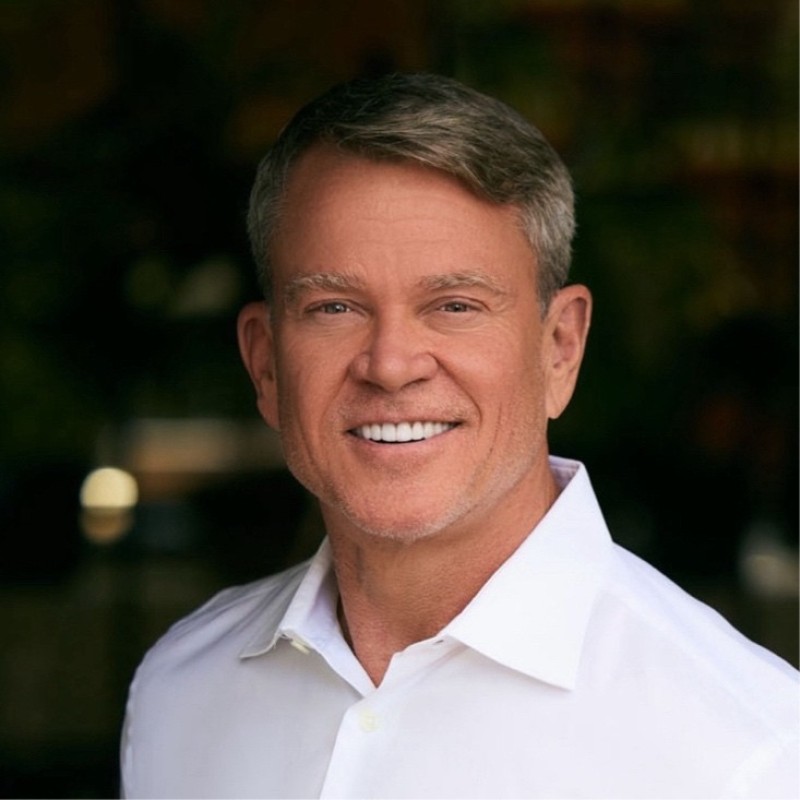
In a world where the traditional “command and control” management style is rapidly fading , a new philosophy is taking center stage: Employee Experience Design (EXD). On a recent episode of the Inside Personal Growth podcast, host Greg Voisen sat down with Dean E. Carter, a seasoned HR visionary with 25 years of experience leading transformations at iconic brands like Patagonia, Sears, and Guild Education.
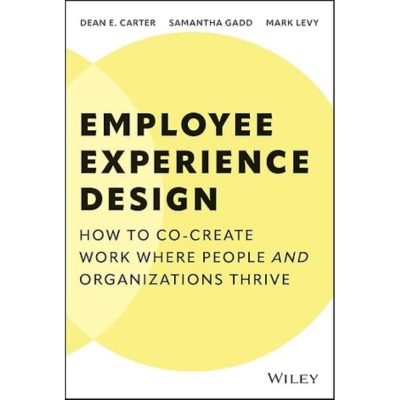
Dean, along with co-authors Samantha Gadd and Mark Levy, recently released their groundbreaking book, Employee Experience Design: How to Co-create Work Where People and Organizations Thrive. The book provides a comprehensive framework for designing a workplace where both people and organizations can truly flourish.
Designing With People, Not For Them
The core of the authors’ philosophy can be distilled into just eleven words: designing with people and not for them. This shift marks a departure from traditional HR approaches. Instead of top-down mandates, EXD focuses on co-creation—ensuring that the humans hired to do the work have a direct hand in shaping their environment.
Dean shares a powerful lesson from his time at Patagonia: “No people, no company”. This realization led to a “regenerative” approach to work, asking critical questions such as whether a business benefit results in a better relationship with a spouse or more time to spend with children.
The “Titanic” Lesson: Finding Mutual Value
One of the most challenging mindsets for leaders to adopt is finding mutual value. Dean illustrates this with a raw story from his tenure at Sears. Recognizing the brand was a “sinking ship,” he didn’t offer empty bonuses or ping-pong tables. Instead, he focused on the intrinsic value of learning and growth, promising his team that by doing their best work even as the “ship” went down, they would become highly sought-after experts. Today, 28 of those former team members have gone on to become heads of HR.
Practical Frameworks for Change
For leaders looking to start their EXD journey, Dean recommends the Double Diamond Design Method. This process encourages leaders to move through specific phases rather than jumping straight to delivery:
-
Discover: Truly listen to people to understand their current experience and level of energy.
-
Define: Pinpoint the actual problem you are trying to solve before seeking a solution.
-
Design: Co-create and develop solutions around that specific problem.
-
Deliver: Execute the solution to improve the employee experience.
The Future of Work: Wisdom, Wonder, and Wit
As we look toward the future, Dean emphasizes that preserving what is uniquely human—wisdom, wonder, and wit—will be the ultimate competitive edge. By fostering curiosity and a sense of play, organizations can move away from the “loneliness epidemic” and toward a community where both the person and the organization thrive.
“Be curious. Don’t assume that what you think is going on is the thing… be curious and then when you’re curious and you discover… then take action.” — Dean E. Carter
Connect with Dean E. Carter
Dean is dedicated to reimagining the world of work by co-creating environments where people and organizations thrive together. To explore his work further, learn about his regenerative HR models, or access his insights on transformational leadership, visit him through the following official channels:
You may also refer to the transcripts below for the full transcription (not edited) of the interview.
Welcome to Inside Personal Growth podcast Deep Dive with us as we unlock the secrets to personal development. Empowering you to thrive here. Growth isn't just a goal, it's a journey. Tune in Transform. Take your life to the next level by listening to one of our podcasts. Welcome back to Inside Personal Growth. This is Greg voisen in the host of Inside Personal Growth.
00:00:25:20 - 00:00:56:18
Speaker 1
And Dean, you know, I've been doing this show 19 years, almost 1300 podcasts. People know who I am. But on the other side here in Santa Barbara is Dean Carter, and Dean has coauthored a book with two other coauthors, Dean Young. Hold the book up. So the listeners, if get an idea of what this is, employee experience, insight design, and it's Samantha Gadd and Mark Levy and Dean, the three of them came together to write the book.
00:00:56:18 - 00:00:59:22
Speaker 1
I'm excited to have you on, Dean. Thanks for joining us.
00:01:00:12 - 00:01:22:06
Speaker 2
Thanks, Greg. I'm I'm excited about it, too. It's a panel. A lot of people are excited, but it's doing quite well, which is a big surprise to us. We we just thought we had a story to tell and one maybe a few people to pick it up. But it's it's rocketed within the first week to number one bestseller on Amazon and number one new release in the category.
00:01:22:06 - 00:01:26:18
Speaker 2
So yeah, we're delighted that people are want to hear the story.
00:01:26:24 - 00:01:48:14
Speaker 1
Well, you'll have to go to all those Sherm conferences and talk to all those people. But let me let my listeners who primarily want to know a bit about you, then they want to know more about the book. He's the author of this book with his coauthors. It's called Employee Experience Design How to CO-create Work Where People and Organizations Thrive.
00:01:48:14 - 00:02:22:17
Speaker 1
It is a groundbreaking, groundbreaking book that provides the first comprehensive framework for designing an employee experience that actually works okay. And the reason it works is because when you learn these solutions and techniques, it will work for you. Dean isn't just writing about these concepts from an ivory tower. He's been living and breathing this work for 25 years as a four time chief human resource officer Across some of the world's most respected organizations, his career reads like a masterclass in transformational leadership.
00:02:23:10 - 00:02:56:07
Speaker 1
He's spent a decade at Patagonia serving as not just as their head of people and culture, but also overseeing finance and legal functions, helping to prove the companies truly can do well by doing good. Before that, he led H.R. transformations at Sears Holdings Fossil Group, and most recently served as chief people officer at Guild Education, where he'd been reshaped How America's largest employee employers think about education, career mobility and the opportunity for their workforce.
00:02:57:14 - 00:03:35:14
Speaker 1
Deans have thought after leadership. A recognized leadership expert, he's earned recognition from The Economist, Harvard Business Review, Forbes, NPR, Wall Street Journal, NBC Nightly News. It's been a guest lecturer at prestigious universities, including Stanford, Columbia, UCLA, USC and the University. Texas currently serves at Northwestern University Pritzker School of Law Workforce Science Fellow. Beyond his corporate work, Dean is deeply committed to community service, serving on the board of the Pacific Pride Foundation, supporting the l.
00:03:35:14 - 00:03:57:12
Speaker 1
B, g t Q Plus community in California's Central Coast and the Music Academy of Monaco, where he makes his home just pass by there on my one on one drive up to San Rafael just about three days ago. So I said, Oh, I should go see Oprah. No, I should go see Dean.
00:03:57:12 - 00:04:01:20
Speaker 2
It must have been rainy. It must have been. We've had a lot of rain lately. Must have been that. Yeah, there was.
00:04:02:01 - 00:04:13:10
Speaker 1
Something the day when we went through, but it was a beautiful drive and I always loved going up. The 1 to 1, but takes a long time when you're driving. An electric car has got to try and find places to plug it.
00:04:13:19 - 00:04:18:15
Speaker 2
It's a good thing they do a lot around here, so that's good. That's. That's a but beautiful drive.
00:04:18:20 - 00:04:46:04
Speaker 1
Yeah. Yeah. Well, thanks for being on the show. Now tell us why you and your coauthors decided to write this. This isn't something that you just lightly go, Okay, Yeah, I'm going to write about, you know, the employee experience design. You guys had to come together. You obviously had worked with one another, you knew one another. Why did you believe this was so important to to dedicate the amount of time you have to actually writing it?
00:04:46:04 - 00:05:09:06
Speaker 2
You know, the we all three universally agreed that we did not want to write another book or write a book wasn't something that we are because there's so many books out there and so many things. And what happened was we actually, all three of us independently went on a trip to Bhutan, and just coincidentally, we were all in this quest together.
00:05:09:06 - 00:05:33:07
Speaker 2
And the more we had, we talked about it, we talked about the work that Sam had done by bringing a bunch of people together in Austin to talk about to build a manifesto around employee experiences is to bring people all over the world together to talk about kind of what is this? The work that Mark did at Airbnb was really groundbreaking.
00:05:33:18 - 00:05:57:23
Speaker 2
And then we did some pretty incredible stuff, I think, at Patagonia, and a lot of people want to hear the story. But once we started kind of pulling our stories together, mine was really unique in terms of the experience we had in Patagonia, where really amazing place that, you know, Mark was doing the work at Airbnb, being really innovative, and Sam really has these really incredible models that you can put behind this.
00:05:58:05 - 00:06:19:07
Speaker 2
So we thought, Wow, the combination of those could be really powerful because we all believe in better experiences for employees. And if by sharing this work employees have better experiences, they connect to better business for the companies, then it was worth the time that we put into the book, and that's why we did it. Were you not to write a book?
00:06:19:15 - 00:06:36:14
Speaker 2
But we hope that people use this. They hope that people like, you know, it's all it's got. Not a we you know, we don't want to be a paperweight, you know, like this. But, you know, another book you get at a conference, you're like, okay, great. You put in that stack, you never look at again. We want you people engage with it.
00:06:36:14 - 00:07:01:10
Speaker 2
It's human. It's it's engaging. And it's not just our story. We highlighted the stories of other really leaders that we have a lot of respect for, Beth Grouse and Kristi Loyd and Melanie Rosser and Greg Prior from Work Day, who's a legend, and of course, Michelle Bonfiglio and her amazing work at several companies. She burns. We want to hear their stories.
00:07:01:10 - 00:07:10:23
Speaker 2
Don't just talk about, you know, hey, look at us. We really wanted to shine the light on, you know, a lot of heroes in the employee experience base. And, you know.
00:07:11:00 - 00:07:35:07
Speaker 1
People learn that you use the term employee experience base. You know, as we've evolved and we, you know, COVID came along and all these things which have kind of upset the work environment and how people work, distance, working and, you know, working remotely and people say, no, you now have to come back to, you know, the job and work in the office.
00:07:35:07 - 00:07:53:13
Speaker 1
Right. And then the kind of, as you call it, this kind of upset feeling because many of them feel like, hey, I can do this work remotely just just fine enough. Right. And I think it was Salesforce that said, hey, we want they were one of the first to say, hey, we want to put people back in the office.
00:07:53:19 - 00:08:23:02
Speaker 1
There were many companies that did it. But your book defines employee experience design as designing with people and not for them. You know, and you say just 11 words that encapsulates everything, right? In your experience, leading teams at Patagonia and Guild, what was the pivotal moment when you realized that fundamental shift was really necessary? Right? It's like, hey, something has to change here.
00:08:23:09 - 00:08:48:01
Speaker 1
And what were you seeing in traditional I'm going to say traditional quote, There are approaches that really weren't working because, you know, look, I go back more years than you do. I think I'm 71 years old. So I've been in these work environments and seen how thick the air can be. You can cut it because it was a command and control environment.
00:08:48:10 - 00:09:10:00
Speaker 1
Right. And I'm not going to tell you that that's completely been eliminated because that is still alive and living out there. Maybe not as much, but it's been very hard. So you know, if you look at the balance sheet, you say, what's the human capital value? And you put it over there and say, we're paying for all these people.
00:09:10:09 - 00:09:22:17
Speaker 1
Well, we also make sure what we're getting out of them. So tell me what you guys do different that the CEO and the CFO or the company go, I'm maybe not being you.
00:09:22:18 - 00:09:46:22
Speaker 2
I, I, I respect that the CEO and the CFO and, and certainly I think database are we get a job to do run a company. So this you know for the most part they're certainly nonprofits but when you're running a company you have to run a responsible company. And I, I remember when I went to Patagonia and everyone talks about the experience of Patagonia is a little bit of an eye roll.
00:09:46:22 - 00:10:12:10
Speaker 2
Like, of course, you had an amazing experience at Patagonia that's like, that's the easy one. This, again, is a given. Everyone wants to work for Patagonia. So I revolutionary said though we we have we can't do what we do and we can't fulfill our mission if there's no company. Like if we go out of business there's no there's no purpose, there's no value and there's no people.
00:10:12:23 - 00:10:40:15
Speaker 2
And so but he also said, you know, at some point when we were coming back from COVID, it was the day we kind of purposely all came back together. At the same time. We didn't trickle back. We like came back. We waited, you know, much longer than most. And when we return, returned with a lot of purpose and I remember standing there and looking at the lawn and everyone's just scrambling around and we'd give them fresh plants because all the plants died.
00:10:40:15 - 00:11:05:15
Speaker 2
And, you know, you like to come in there, everyone's hugging. And and I just said, Wow, this looks a lot different than campus did the past two years, huh? And he said, Yeah. He goes, No people, no company. So that that that is the truth. So Avorn runs a responsible business and at the same time, it is a company that makes sure that you can still be the human that we hired.
00:11:06:09 - 00:11:23:14
Speaker 2
And I think that we make a big mistake by hiring these really humans. And they we don't realize we at the human that we hired. And that's why we wrote the book Letting My People Go Surfing, which is like if you hire surfers, guess what? You better let them surf.
00:11:23:22 - 00:11:24:01
Speaker 1
Right?
00:11:24:04 - 00:11:57:09
Speaker 2
You hire mountain climbers, you better them climb mountains. If you are people who love. I wear a provision, you better let them make glasses like you. When you hire people with a passion for what they're doing, then you better let them do it. And in this aren't just like people who are passionate about surfing and climbing. When there's another concept in the book about, you know, what I put into my work, the company gives back equal or greater value to my life, which is a regenerative question.
00:11:57:09 - 00:12:22:05
Speaker 2
We came up kind of in response to Patagonia being regenerative company. I think about one of the questions we asked when we evaluated a new program for the work. We get Patagonia. We ask this question As a result of this benefit, do you have a better relationship with your spouse as a result of this business? Do you have more time to spend with the people that you love or your children that that's who you have if you have children?
00:12:24:04 - 00:12:53:07
Speaker 2
When I ask this question at audiences, that's like, tell me, for those of you who have a spouse who's the most important person in your life, they say, you know, I have children with spouse. How many people have children? And the children are the most important thing in their life. How many companies ever ask you as a point of working here, you have a better relationship with your spouse and you have more time with your kids.
00:12:53:07 - 00:12:54:21
Speaker 1
Very few hands went up.
00:12:55:10 - 00:13:16:11
Speaker 2
No hands went up. So fundamentally, you know, we're the things that are most important to people. We don't focus on the, you know, giving back to help help do this. But the most important thing. So when you understand that you have humans who have lives, who have parents to take care of, to get kids to take care of, they had a bad day.
00:13:16:11 - 00:13:35:07
Speaker 2
They had a good day, whatever. If you want to have a sustainable workforce that walks up the stairs two steps at a time, then do the things for them that support them that they value the most. And that's how you don't have to motivate. You don't have to do anything.
00:13:36:00 - 00:14:09:03
Speaker 1
Well, again, building the culture that embraces what you speak about is the key. And in the book, you and your coauthors present seven mindsets for employee experience design, right? Kind of without revealing all seven, can you share which mindset you've found to be the most challenging for leaders to adapt and why? And what's the internal shift that has to happen for someone to truly embrace this mindset now?
00:14:09:03 - 00:14:36:18
Speaker 1
You know, Carol Dweck has written about this mindset forever. We understand what it is. The question is, are we living it? And the key to all of this is, you know, is to live it and experience it. That's why it has the word experience in it, right brain. I mean, when people go to Disneyland, they go for the experience, right?
00:14:37:01 - 00:15:03:00
Speaker 1
They they want to have a good experience inside. And anybody who's doing a survey after someone has a job with them and you say, hey, here's an exit interview, you're going to say, what was your experience like? They go, Oh, well, the experience was horrible. Or, you know, I really the reason I'm leaving is because I just couldn't get along with my manager or what whatever it might be, so to speak with is about this mindset shifts.
00:15:03:00 - 00:15:22:17
Speaker 2
Yeah, I think the number one, it's actually the first of the mindsets that we have is find mutual value. That's the tough one you can find. I think a lot of executives and leaders have a way of finding what's valuable to them, but not having what is mutually valuable to them and to the employee. That's probably the hardest one.
00:15:23:00 - 00:15:48:03
Speaker 2
I think starting small and finding the why or designing with a board, there's a little bit of, you know, people can go, okay, nod to that. But the finding mutual value doesn't come natural and you really have to work hard to understand and pull people that apart. I, I do. But this will take the by mutual value. Sometimes you have to speak so honestly and transparently.
00:15:48:03 - 00:16:14:01
Speaker 2
For example, a lot of people hear the story about Patagonia, but i also was the head of h.r. Sears. And it was not just sears, but sears and kmart and a few their beloved brands, particularly sears. Everyone wanted to succeed, but everyone knows those brands were dying. And I joined there after the iceberg. It hit both of those boats, and they were going down.
00:16:14:01 - 00:16:34:15
Speaker 2
I knew that it was a struggle to work there because of just the challenge of the business and the brands in decay. And so finally this was honest with my I can't change everyone, but it just was honest with the team. And we're back to kind of how they found value. And I thought about why are they there in the first place?
00:16:34:15 - 00:16:54:14
Speaker 2
And then we had a big meeting and they said, okay, we are on the Titanic and this ship is going down. It hit an iceberg and I can't fix it and you can't fix it, and it's taken on water. So this is going down so we all know it. I'm just and I had a picture of the Titanic on the screen.
00:16:54:14 - 00:17:23:01
Speaker 2
This is one a 6000 has a VCR down hall. And I said, where are it? A matter of fact, we're on two Titanic like Sears and Kmart. They're like two giant ships. They collided into an iceberg and are both sinking. But what it can do is, in addition to you, there's so many people that are terrified about what's going on and concerned and worried and what we're going to do is we're we need the band.
00:17:24:04 - 00:17:44:16
Speaker 2
We're getting the best damn band that they hear. You're going to be the best trombone player. You're the best tuba player again, the best flute player, your best tambourine player, triangle player. Then marry me because these people need us and they need to play. We need to do amazing h.r. And support their experience here because they're all looking for us.
00:17:45:01 - 00:18:10:17
Speaker 2
So if we do this and we just do amazing h.r. And we do our best work every day, then i promise you, when this ship goes down and you have to get on another one, the ship, you get on is ten times better than when you joined a promise. As of last two weeks ago, I got one more.
00:18:11:07 - 00:18:38:17
Speaker 2
There are 28 heads of h.r. Who are were junior people at the time. We were at sears. It was an incredible time of learning. Now that people reflect on that, they were like that was one of my favorite moments of my life in my career was that moment at sears on the titanic. So when you think about having mutual value, I'm like, how do I go to the intrinsic value?
00:18:38:18 - 00:18:58:03
Speaker 2
Not the extrinsic, But I didn't issue a bunch of bonuses, You know, I didn't put in ping pong table so you can play games. I went to the intrinsic value of like, I'm actually here to do this job to help people and to get better at my work. So I'm going to give you tons of value. You're going to be amazing at this and you're going to learn things.
00:18:58:03 - 00:19:07:15
Speaker 2
You can learn anywhere else. And they did. And 28 has a beach art and the rest of them are in senior positions.
00:19:07:15 - 00:19:34:18
Speaker 1
Your story is fantastic because, you know, it's kind of always darkest before the dawn kind of thing. You know, you you went through this very challenging experience to work with all the other h.r. Leaders and to pull up the bootstraps and they say, you know, in the personal growth field, you know, being uncomfortable is what creates growth rate.
00:19:35:10 - 00:19:57:18
Speaker 1
So obviously dean was totally uncomfortable with this situation, but you also knew that on your titanic, there were lifeboats, right? So you am using an analogy here, but the reality is, is, hey, we're going to exit the ship, the ship's going down. But the reality is we're going to be able to get off the ship and go someplace else, go do something else.
00:19:58:02 - 00:20:33:16
Speaker 1
And the way we hold ourself while this ship goes down as leaders is the most important thing. Now, one of the things is you you talk about in this book is you would you address a common objection? And we don't need employee experience design. We always have more applicants than open positions. But you make the case for X because of a competitive edge in attracting top talent.
00:20:33:17 - 00:21:00:00
Speaker 1
Now think about that. You're going to attract any top talent to Sears while the boats go down. So in today's evolving workplace landscape, which the h.r. Directors who are listening to this see how has the war for talent changed and why is XD no longer a nice to have but is strategic imperative and I add to that because I was just in San Rafael.
00:21:00:00 - 00:21:28:07
Speaker 1
My son is an executive at Adobe and I was asking hey, where are you guys going to get the designers and people and what's happening in this environment? And I said, Do they all need degrees still? And he says, No, it's not necessary, but we are finding them. And the reality is, is that you're seeing companies right now really being shaken up by this whole talent, number one, trying to find it.
00:21:28:15 - 00:21:53:01
Speaker 1
And then especially companies like what you're doing now with A.I. and engineering, big companies like that and the h.r. Departments are trying to figure out what to do. Right? And so for an h.r. Person listening right now, what advice might you have in these truly super competitive times for talent?
00:21:54:07 - 00:22:22:20
Speaker 2
Well, well, and again, it's it's competitive for talent. So there's a lot of people that there's a lot of people available for work, but there's not a lot of people available for work that can do the work that we need. That's not something like this. There are a lot of people who work, but that's a very specific to big difference, mind you, is people have long memories and so they have long memories.
00:22:22:20 - 00:22:47:07
Speaker 2
And so if you're creating an experience to say, I am creating an experience at fossil, someday I'm going to be a Sears, someday I'm going to be at Patagonia, someday I'm going to be a guild. And all of those people who remember the experiences I drove at those places one want to work for me at Patagonia, want to work for me, a guild want to work for me.
00:22:47:16 - 00:23:11:21
Speaker 2
All those places the people know. And so no matter where you go next, because there will be a next, then people are going to follow you because of the experiences you serve. You're CEO of a company and you create amazing experiences. The next place to go, they're going to flock to you. And by the way, people talk. They know the companies that are good companies are not good companies because of the experiences they drive.
00:23:12:07 - 00:23:39:00
Speaker 2
And again, I'm not talking about, you know, really amazing snacks or ping pong tables. I'm talking about do I have meaningful work? So I have the right you know, do I have the ability to learn and grow? I'm around people that are inspiring me at Guild. This is a great example. A lot of companies are saying everyone needs to come to work because they're not as productive, they're lonely, they're depressed.
00:23:39:00 - 00:23:58:24
Speaker 2
I we got this big issue, so we're going to force them all to come back to the Office Guild after the pandemic. Said we're going to be remote. First company so everyone can work where they want because they believed that people had, you know, aging parents they had to take care of. They had people in school, they had life issues or a brother.
00:23:59:00 - 00:24:22:07
Speaker 2
They just want to live in the mountains or wherever it is I go. So the problem is it's a lack of the problem. I believe, is people have a lack of imagination. The only thing they know how to fix this problem is to get them back to the office that's forcing the other person to solve the problem. So what we did he killed is I had a team of people and said, okay, solve this bigger.
00:24:22:08 - 00:24:52:17
Speaker 2
How do we increase productivity, innovation and solve for belonging and loneliness and all the other things for that remote work and drive. So they came back informed and a job called the community captain. And we did data analysis around, you know, where do people live within certain geographies with an hour and a half. And then we built this community Captain Job, which is part of their day job, and they got a little bit more money for doing this other thing.
00:24:53:00 - 00:25:27:24
Speaker 2
And they created communities. Chicago had a very different community that Orlando Dallas had a very different community than Seattle, and they all got together, BP's with hourly workers. h.R. To financial eagle. It was all about geography, not your title or your role. And they got to know each other and they laid we did a pre survey and we did a post eight months later and i felt like i belong for those places went up 13 points for the ones that had an engaged community with 13 points.
00:25:27:24 - 00:25:47:22
Speaker 2
I feel like I belong. I love the work that I do, the engagement question went up six points. That's when engagement was going in the tank for every tech company. As a matter of fact, they the lower the index that year because so many companies had terrible experience is when all the people are saying you have to come back to work.
00:25:48:09 - 00:26:13:02
Speaker 2
We were saying you can stay at home. We just had to think differently about community and captains and jobs and work and we just it's a lack of imagination to reinvent work. And the only way you can think of is a way to do we work forever is just forcing people to come back to the office. I don't I think there are appropriate places and jobs and you need to work together and collaborate.
00:26:13:02 - 00:26:14:13
Speaker 2
I don't think it applies. Everyone.
00:26:15:01 - 00:26:46:06
Speaker 1
I agreed. Agreed. You know, you're reminding me of the spirit in business conferences that I used to attend in downtown San Francisco. And in one of the things there is, you know, it was companies like Clif Bar and all these very progressive companies at the time that would come together and talk about what they were doing, just like you've written about in this book to help attract, retain, create the culture and the environment to make the shifts in it.
00:26:46:17 - 00:27:15:11
Speaker 1
And I know we're all dealing with what's termed today as this loneliness epidemic, but behind this loneliness epidemic is the lack of community, the lack of support and building community. And I want to mention this because if you don't know it, Charles Vogl out of Berkeley has written some of the best books and done some wonderful work on building community inside and creating these cultures for people.
00:27:15:24 - 00:27:42:22
Speaker 1
But your book introduces something that i think h.r. People and anybody want to know. It's called double diamond design method and several other frameworks for a leader who's reading your book and wants to get started tomorrow right. There's going way we have all these problems no matter what the size of the company, whether it's ten employees or 10,000 employees, obviously different things they've got to address.
00:27:42:22 - 00:28:02:16
Speaker 1
But which framework should they implement first and what would you what would a first week look like in practical terms to you? Because you saw this is a user's manual, right? You said, hey, I want you guys to pick this book up and use it. I'd say, Great. Go to wherever you have to go to help you find the answers.
00:28:02:16 - 00:28:31:23
Speaker 1
Now you're now in the air space. And one thing i would say most people are using in h.r. Is obviously anthropic or chad or. Yeah. Or gemini or any of these to help them find solutions. I mean, today, look what's going on. We're finding coaching. My son has a coach at adobe. They supply him and they say you get up to $1,000 to have a coach after that it's on your own.
00:28:31:23 - 00:29:03:18
Speaker 1
So that's not very many coaching sessions, right? So then the question now is, well, I've really learned a lot from this person. But now we see companies popping up with a coaching, Right? You know, you can you're going to hear back from the A.I. coaching. So we're getting we're dancing with some really interesting experiences. And I'm hoping that people will start to internally, as you said, feel better about themselves in the places they work.
00:29:04:06 - 00:29:25:17
Speaker 2
Right? It's a yes as there are two parts of that. One is just the where do you start? And well, what we did was we wanted to tell certainly inspiring stories about the companies, but we also wanted to create models that you can apply for your company. So we didn't use just one model. And look, this is the the way in the truth.
00:29:25:21 - 00:29:48:06
Speaker 2
This is the only way you should do this. We have several models that work not just with the ones we mentioned, but also with grass tops, about some of the work that she did and how she approached it. Greg Prior talks about how he did it and him approaches the point is not necessarily like this is the one where you have to do it, but there's a multiple ways that you can be inspired and figure out what's the right one for your company.
00:29:48:18 - 00:30:14:04
Speaker 2
So we talk about the the double diamond process. That's actually a good framework is used for most design processes are preferred, have like a white like, like a white page to like start as if there were nothing like to start from a place of way paper and go, okay, Ms.. I need to discover what's going on. Really listen to people, what is the experience and really have an understanding.
00:30:14:04 - 00:30:32:12
Speaker 2
So as a person for the double level, the second was like, How do you define the problem? We're trying to solve? So you can't if you just kind of say, okay, we're going to go skip straight to solution, we're going to do an engagement survey, that may not be the answer. Then once you understand the problem, you start designing solutions around that.
00:30:32:23 - 00:30:59:03
Speaker 2
For example, I like to ask, you know, what's your level of energy? You did that a Sears and at Patagonia and at at Modern or excuse me, at Guild, where I was. So when we asked these energy questions, I found that one group was incredibly nice. Every single week was not energized. They're just exhausted from work and it was the recruiting coordinators.
00:30:59:13 - 00:31:30:21
Speaker 2
Hmm. I'm like, wow, they're on the h.r. Team. These are the do. You're having a terrible. They're exhausted every single day. Why are they so exhausted? So i went to discovery process. I listened to them and said, okay, one on one, what's going on? They said, well, the business partners are giving us the right information for us to start the job so that the hiring manager is calling us, asking us why isn't posted yet that we can't like we have to have the it's your business partners back who we say they only give the data to us.
00:31:30:21 - 00:31:52:07
Speaker 2
We say we're just not ready yet. So we get beat up by the hiring managers because the job is impossible. But we read the information that we need from the data, our business partner, and then we work. All this time we have the kids of amazing experience and then the hiring manager cancels the last minute. They got to call the candidate and reschedule and apologize.
00:31:52:20 - 00:32:18:09
Speaker 2
It's just a I really just want people to have great experiences but don't feel like I'm given the tools did that. So I said, okay, well, first let's let's work with the major business partners to change that system and maybe the paperwork isn't right or whatever. So we work with you as your business partners. We did change the system a little bit and said, if you don't hand this piece of paper, it doesn't start correct and you're the one who talks to the hiring manager.
00:32:18:09 - 00:32:44:01
Speaker 2
Explain to them why it's not done yet, not the not the recruiting coordinators. So they complied. Much easier actually in approval company because we got Rex filled faster. Second thing is like from one of a hiring manager cancels the hiring manager, calls the candidate not the recruiting creator and says, I apologize. I'm so sorry, miss this meeting. I'll reschedule.
00:32:44:07 - 00:33:04:24
Speaker 2
So we moved the pain to somewhere else. And so we end up having better candid experiences, fewer people canceling more. The time to work change and the recruiting curve soared. They're like highly energized. And a matter of fact, I said, What is your real job? The truth is, we just want to make sure the kids have good experiences.
00:33:04:24 - 00:33:30:24
Speaker 2
That's it. I'm like, okay, how about now? Instead of recruiting coordinator, you're now recruiting your candidate experience specialists every single day. Your job is to make sure kids have amazing experiences. So like, awesome, they became the most engaged group. That is like discovering the finding the problem, designing a solution and then delivering on. And I just say, So that's the double diamond and why it works.
00:33:30:24 - 00:33:43:17
Speaker 2
I think it's the overall framework. There's other ones that, you know, people can use, but that's one I go back to. A lot of people jump to deliver before getting discovery in design and design.
00:33:43:17 - 00:34:20:19
Speaker 1
So. Question You know, just earlier today I did an interview and it was on this book Catch People Being, I think was wrote by Kimberly Antrobus, written by Martha. So I guess what what fascinates me about this whole human or I should say, experience design is I had an interview earlier at the end of last year with Bill BURNETT at the Stanford Design Department, and he's the one that's written the book on designing your life and putting more meaning in your life.
00:34:20:19 - 00:34:51:08
Speaker 1
And all these Stanford kids are just running to come to that department and take them courses and do it. And we got on this whole topic, and I think this is important to this conversation about creating more meaning How do I design more meaning in my life? Because when I have meaning, I have purpose. When I have purpose, or maybe just the other way around, I have meaning and I'm much more fulfilled.
00:34:51:08 - 00:35:15:14
Speaker 1
Internally. I feel better about myself. Would you say as somebody who is in this and has been doing this for so many years, that you find the people who have meaning and purpose in their life just that much more energized about being working at Patagonia or Guild or Sears or wherever it is, and the ones that don't just come in for a paycheck.
00:35:17:03 - 00:35:21:03
Speaker 1
So how do you help redesign that?
00:35:22:02 - 00:35:38:22
Speaker 2
Mr. CARTER Well, what I tried to do and I guess I get this question a lot because when I speak to students in MBA programs, you know, how do I how do I find a company with an amazing purpose to work for? Because they all talk about, you know, I got my personal purpose. Sometimes I'm asking, do you have your own purpose?
00:35:38:22 - 00:35:58:09
Speaker 2
Yet? They're like, No, I'm like, when we're for a purpose driven companies. I said, Well, first of all, I'll look for because those are usually a great place to look. But here's the thing about purpose and purpose driven companies and how to make sure you deliver on this and connect to it, make sure the purpose aligns with the company's purpose.
00:35:58:23 - 00:36:20:13
Speaker 2
So here's a great example of like Patagonia's purpose is to save the planet. That's their stated mission. We're in business to save our own planet. So if you don't believe in climate change and you go to work for Patagonia, even if you're an amazing engineer, not get stuck, it's going to be the Patagonia would be the worst place you've ever worked in your life.
00:36:20:20 - 00:36:41:08
Speaker 2
And when I messed up and didn't hire people to purpose who were activists and highly involved in doing things about the climate, they hated it. They left the company like, that's my fault for not hiring. I went to a gaming company in in Los Angeles, so I went to their facility with a buddy of mine who was the head of h.r.
00:36:42:06 - 00:37:09:11
Speaker 2
And i walked in and there's, like, scoreboards and people and headphones and Red bull and whiskey bars and, like, all the furniture was, like, scattered and people on couches, and it's just numbers changing in terms of scores and all constant. It was just loud. And I thought if I put anyone from Patagonia into this, they would die in 10 seconds.
00:37:09:11 - 00:37:32:22
Speaker 2
They just crawl into a ball or under one of those couches and eat whatever pieces of popcorn is left. That if I took one of those people from that gaming company and put it in Patagonia, they would die. So it's you really it's this alignment between what am I purpose and the company's purpose that really, really helped to have like for you find meaning.
00:37:32:22 - 00:37:57:18
Speaker 2
Because then, as Yvonne likes to say, the the person who's found kind of the is actually written by a guy that Ms.. James Mr.. The master of life or master of living is the person you can't tell the difference between work and play, right? Because of them. There's no difference. And if you can get to a situation where your work is your play and plays your work, that's good.
00:37:59:06 - 00:38:15:00
Speaker 2
You always get that opportunity. So I'm going to go back to this year's moment. The CEO, This was, in my opinion, this is but it was listed in Time magazine as the worst CEO in the world.
00:38:15:00 - 00:38:23:13
Speaker 1
So yeah, well, we have this bill right now. Our government is or CEO, Heather were the.
00:38:23:13 - 00:38:45:01
Speaker 2
Worst CEO in the world. And so what what we did, we said, you know, let's accept that, can't change it, but we're going to create this amazing experience and what we can control. So sometimes I tell people you're not always going to get to work for purpose driven company, but you can't control the environment you're in and you can find purpose in the daily work.
00:38:45:15 - 00:39:10:23
Speaker 2
And that's what we did. A series We found a way and purpose and, and people that had glorious experience and they learned I you know, Gallup did a really great survey not too long ago. You said after years and years of research, seven out of ten managers are bad. And then if you train really hard, you might get one more good one.
00:39:11:05 - 00:39:27:23
Speaker 2
Maybe it's kind of like your likelihood of working for a purpose driven company. You're there. Not a lot of them out there, but make your own purpose. Like figure out like one that's close. The best thing is you had to find to align with your purpose just make sure you find one that's not aligned with your purpose is for me.
00:39:28:02 - 00:39:49:06
Speaker 2
It's a it's like a good relationship. You don't have to share everything, but you have to kind of, you know, want to have something. You just absolutely hate. So you have to love all the same things. But if you get pretty close, the company is close enough. You can find purpose, Oh yeah, in any company, even the most challenging companies.
00:39:49:06 - 00:39:52:14
Speaker 2
And if you can't find it, then move on.
00:39:53:02 - 00:40:21:18
Speaker 1
You'd rather have oxytocin going through your body than cortisol. So, I mean, look, the health benefits themselves of finding purpose and finding meaning and knowing there's a higher power that's helping you and serving you is so great. I mean, the whole spiritual element is a big element here and I think is have to think about as probably a Patagonia, the interconnectedness of everything and everybody.
00:40:22:01 - 00:40:49:02
Speaker 1
Right? So if we're going to save our planet, that's where we've got to go. And, you know, in this broader landscape, you've seen employee experience evolve from a concept you how pioneer and at a B and Airbnb in 2013 to today. Where do you see this explore employee experience design headed in the next five years. So we're going right now to 31 or eight.
00:40:50:01 - 00:41:04:12
Speaker 1
What emerging trends or challenges should leaders be prepared for? Question And importantly, how do you respond to the cynics who say XD is just another management fad?
00:41:05:17 - 00:41:13:16
Speaker 2
So a lot of respect for Marcolini in his work at Airbnb, so want to make sure I'd give him credit for that. That is the way it is.
00:41:13:17 - 00:41:18:20
Speaker 1
Mark you well there's three out there so my, my listeners know it wasn't you, but it was Bach.
00:41:19:05 - 00:41:43:20
Speaker 2
Yes. Marc And he's amazing. He's my neighbor and a good friend. I have them. Okay, So we've never been in a better or a worse time for our experience. So employees are feeling threatened about what's happening in the world. They're feeling threatened by air. They feel like their jobs are at stake. They feel like their credibility is sag, their value is at stake.
00:41:44:11 - 00:42:07:17
Speaker 2
All these things are happening. So there's trust has never been more level at the moment, ever. Also, the variance between what the CEO thinks that's going on in the company and what's really happening in the company are wide. Yeah, And so what employees want from work and what CEOs want for employees is a big gap it's ever been used to be.
00:42:07:17 - 00:42:46:22
Speaker 2
Not too long ago, the companies actually trusted their companies more than they trusted their their their country or other institutions. That's not the same. Even though most people don't trust a country now is even as bad now for the business level of trust. And it's because people aren't listening to employees. And I think that the the specific design of employee experience in doing it with intention, the companies that do that and listen to by mutual, you know consciously designed can whatever employees want you bullying you want to make sure that this is work for everyone is going to be more important than ever.
00:42:48:00 - 00:43:27:10
Speaker 2
The other thing to do and this is with the new company is just join a CEO as before and still we're going to have companies like instill that, discover things as to see things we've never been able to see before and still sees culture. We've never been able to see it. And then you can discover. But these conversations between people that we're listening to and guys listening to can now interpret that in a way is like that build trust, that decayed trust that built your desire to innovate, that built your desire to be more creative.
00:43:27:21 - 00:43:56:03
Speaker 2
Or so it's every single day, not just and still there are going to be more companies that invent things that we're going to be able to see and manage and do we never have done? That's the huge opportunity that we have. So take advantage of every time you see a moment that we can see things we've never seen before, have run into technology, don't learn from it, but at the same time acknowledge and I do a lot of work on this, like how do we preserve the things that are uniquely human?
00:43:57:15 - 00:44:23:02
Speaker 2
How do we and I've come to like three that I come to respect a lot. First is wisdom. There's value in experience. There is value in like, you can't air me, you can't All my life experiences that happened every second of every day. You can't air that my curiosity and wonder. So like, wow, I wish I had deep tea.
00:44:23:02 - 00:44:45:06
Speaker 2
What's what's the moment where air determines that humans are no longer necessary? And it said, Oh, that you ask that question. It's very human. And so I just, you know, he goes, I wouldn't ask. So I ask that, you know, you that's that's the human thing. So I think this kind of always having wonder and being curious about things.
00:44:45:06 - 00:45:15:00
Speaker 2
And my third thing is kind of what we're doing right now, Greg, is a little bit of play and laughter. And I think that integrating wisdom and appreciating it, keeping wonder and awe and spirituality and kind of knowing that there's something out there that we can't control of which is out there and just like, Wow, wasn't that sunset cool or Wow, wasn't that moment awesome or Wow, couldn't we?
00:45:15:00 - 00:45:40:16
Speaker 2
Or what if? And to just not take yourself so seriously, have a little bit of not just, you know, humor, but wit? I work a lot with Connor Diamond at Stanford. He does a course on humor, at work and wit at work, and then Caitlin Krauss, who works with digital wellbeing and how to lean into, you know, lightness when you engage with virtual reality.
00:45:41:04 - 00:45:49:05
Speaker 2
I just think there's I've studied the science of play, actually. You know what we play now because we're humans, we play because we're mammals.
00:45:49:17 - 00:45:50:02
Speaker 1
Right?
00:45:50:13 - 00:46:17:02
Speaker 2
Right. It's that deep. And so you allow people to play and so work, work, work, you're actually not enabling them to be what is uniquely human. And I'm not talking about play like ping pong. Playful. Yes, playful and not not and unstructured plays actually the best. There's a lot of research in terms of just play and the opposite of like the forbidding play actually is depression.
00:46:17:02 - 00:46:27:12
Speaker 2
There's a great there's a ton of research on why I played so when video that's my my I think my view of the world is wisdom wondering which leads to.
00:46:27:16 - 00:46:57:00
Speaker 1
Wonder and with curiosity wonderment you know is is really a key like look at everything as if it's brand new even A.I. today as you just explained, it's opening so many doors. Don't close the door on it. Look at it. This is an opportunity to expand not contract. Right. I think we we have this this button in us that everybody has around fear.
00:46:57:18 - 00:47:22:23
Speaker 1
And if you allow the fear to grab hold of you, you have this contraction. Yeah. Now uncertain times contraction is important. We all should contract and look at things, but for the most part you need to be expansive. You need to be in wonderment. And with that, I want you as somebody who's really dedicated your career to really reimagining work.
00:47:22:23 - 00:47:52:08
Speaker 1
And this is our last question. What gives you hope? One and what final wisdom would you leave anybody who's listening to this show about with a leader who is just beginning their journey toward co-creating work where people and organizations thrive right. So from your perspective, you gave us three words, which are great, and I believe it. It was a good way.
00:47:52:08 - 00:48:02:10
Speaker 1
But I wanted to ask this last question. Yeah, really like you to put a wrapper around this whole employee experience design.
00:48:02:10 - 00:48:28:15
Speaker 2
I'm going to use two words. Be curious. Hmm. Be curious. Like, be more curious. Don't assume that what you think is going on is the thing. Be curious and continually be curious. Like at the lack of curiosity is like I think the biggest challenge. You feel like I know it all and you know, just not being curious. So being curious about what?
00:48:28:15 - 00:48:54:14
Speaker 2
What is going on with employees experience, being curious, how do they feel about being curious about a I being curious about the impact on not just work at work, but the impact of the social conditions in the world? Well, in you know, they're impacting people understand just be curious and then when you're curious and you discover, you know, there's a better way of doing things or another opportunity, then take action.
00:48:54:24 - 00:49:19:23
Speaker 2
So just being curious is in that helpful. But if you behave and say, Well, I was curious about this, this is what I learned, this is what we're going to do different, what's working and continue to do, then that's my biggest thing, is be curious and do something even if it's the wrong thing, then you figure out that was wrong and don't do it again.
00:49:21:04 - 00:49:21:14
Speaker 1
And the other.
00:49:21:14 - 00:49:23:00
Speaker 2
Is taking action and you have to.
00:49:23:00 - 00:49:50:10
Speaker 1
Work to that is, you know, we live in a world where at work does face it, there's a lot of expectations from management on people. You're not always going to get it right. Right. It isn't always going to be 100% right. And I would add that look at the good thing. So I call it self nurturing and care, self nurture yourself.
00:49:50:20 - 00:50:22:04
Speaker 1
No matter what happens. It could go wrong, but you got to look at what good you've created in the environment which your work, not what happened because you got reprimanded over something or it didn't go right or you felt despondent or you were depressed. Yeah. And I think to have, as you said, this curiosity allows you to totally open up a whole new world that you can run and jump and play it right.
00:50:22:04 - 00:50:40:19
Speaker 1
You just said play. And if you can feel playful in those moments where you can shift the mindset away from this, wow, I did it wrong. Whatever to this. Well, let me go play like you said it, Patagonia. Let the surfer surf. Let the mountain climbers climb.
00:50:41:05 - 00:50:41:12
Speaker 2
Yeah.
00:50:41:23 - 00:51:03:06
Speaker 1
Go do something to take yourself out of the environment and put yourself in a different environment that allows you to feel more fulfilled and so on. Whether it's riding your bike or walking on the beach or going the mountains or whatever it might be. But in in that place, do deep personal contemplation and reflection about the good you've created.
00:51:03:06 - 00:51:12:11
Speaker 1
And I think if you can do that, you get through it. Dean This was a wonderful dialog, not without.
00:51:12:11 - 00:51:13:09
Speaker 2
Delight. Greg.
00:51:13:17 - 00:51:24:11
Speaker 1
Thank you for taking this time. Do you want to put the book back up again so my people know what we're talking about here, so go get the sign. Put a link below. It's a Wiley book.
00:51:24:12 - 00:51:24:24
Speaker 2
So much.
00:51:25:07 - 00:51:46:15
Speaker 1
Wiley is good at actually creating books that allow you to take action. That's one thing Wiley does do really well. We've had a lot of Wiley authors on here, so you'll know when you open this up. You're going to get ideas and concepts and thoughts and things you can do. So look at it as a guidebook. You don't have to read it from the first page to the last page.
00:51:46:23 - 00:51:57:24
Speaker 1
You can pull out chapters and sections and highlight them and do what you need to do good on all of you and your coauthors. Thank you, David. You know, I say to you, thanks for being on the show.
00:51:58:11 - 00:52:00:22
Speaker 2
Zero tears. Lots of gratitude. Yeah.
00:52:00:22 - 00:52:03:07
Speaker 1
Gratitude to you as well, buddy. Take care.
00:52:03:12 - 00:52:12:18
Speaker 2
You I me to.
Sign up to receive email updates
Enter your name and email address below and I'll send you periodic updates about the podcast.











Leave a Reply