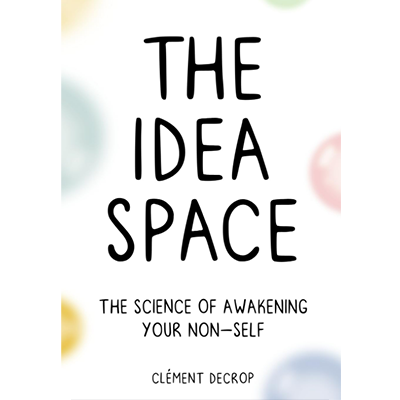
 In this podcast episode, we dive into a fascinating conversation with Clement Decrop, the author of The Idea Space: The Science of Awakening Your Non-Self. Clement’s work combines science, philosophy, and mindfulness, offering readers a transformative framework for understanding consciousness, creativity, and personal growth.
Clement introduces the concept of the “idea space,” which bridges the gap between modern physics and philosophical introspection, helping us view our thoughts, emotions, and sensations objectively. The ultimate goal? To awaken the non-self, a practice that can lead to greater clarity, reduced suffering, and a more harmonious life.
Let’s explore the key insights from this enlightening conversation.
The Idea Space: A New Way to Understand the Mind
Clement’s The Idea Space is built on the idea that our mind operates in a space where thoughts and emotions can be observed objectively, much like we study stars or physical objects. By applying principles of physics and mathematics, Clement provides a structured way to describe the mind in relation to the universe.
He explains that the “idea space” has two key properties:
- Zero Measure: Thoughts and emotions are intangible and invisible to others, making them appear as “nothing.”
- Uncountable Depth: The impermanence of thoughts shows that they constantly change and cannot be fully measured.
By understanding these properties, we can begin to detach from our thoughts and reduce the suffering caused by over-identifying with them.
Awakening the Non-Self
One of the central themes of Clement’s book is the concept of the “non-self.” He argues that our sense of self—our name, identity, and attachments—can often cause stress and anxiety. Instead, by recognizing the illusion of the self, we can gain freedom from unnecessary suffering.
In the podcast, Clement shares a practical exercise: Mindful Awareness. This involves paying attention to sensations, such as focusing on your left foot or counting your breaths, to anchor yourself in the present moment.
Clement also emphasizes non-attachment, drawing on Buddhist teachings, to help us live more peacefully. As he puts it:
“Whatever has the nature to arise has the nature to pass away.”
Practical Tools for Everyday Life
For those seeking actionable advice, Clement shares his “Three Me’s” method for decision-making:
- Past Me: Reflect on how past actions and experiences have shaped you.
- Present Me: Assess your current mindset and feelings.
- Future Me: Prioritize long-term goals and aspirations.
This technique encourages balanced decision-making by aligning your past, present, and future perspectives.
Key Takeaways from the Podcast
- Embrace Impermanence: Everything in life changes, and recognizing this can reduce stress and suffering.
- Use Mindfulness: Simple practices, like counting your breaths or observing sensations, can help quiet the mind.
- Understand Perspective: The “Sunset Conjecture” reminds us that each person’s view of the world is unique, fostering empathy and connection.
- Detach from the Self: Letting go of rigid ideas about identity can open the door to clarity and purpose.
Follow Clement Decrop
For more insights into Clement’s work, follow him on social media and explore his book:
- 📖 The Idea Space: The Science of Awakening Your Non-Self
- 🌐 Official Website
- 🎥 YouTube
Final Thoughts
Clement Decrop’s The Idea Space offers a groundbreaking way to explore the mind and unlock its potential. Whether you’re new to mindfulness or looking to deepen your practice, his ideas can help you reduce suffering, embrace impermanence, and live a more intentional life.
Ready to awaken your non-self and transform your perspective? Dive into the world of The Idea Space today!
You may also refer to the transcripts below for the full transcription (not edited) of the interview.
[fusebox_transcript]











Leave a Reply