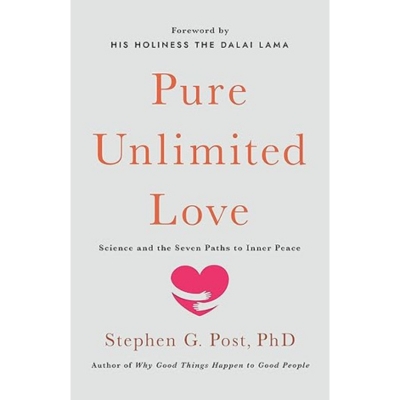
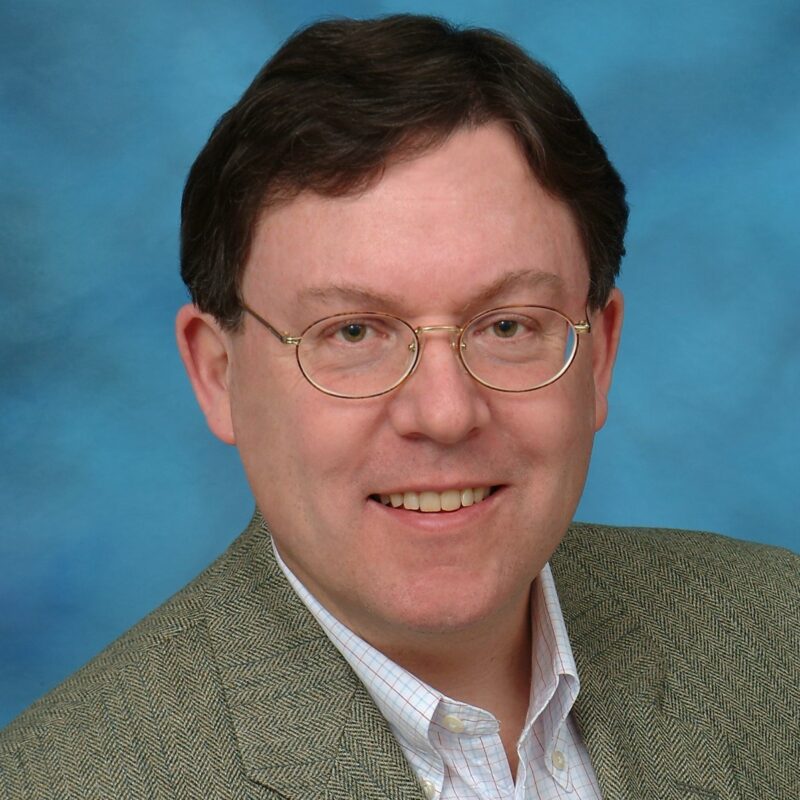
In this episode of Inside Personal Growth, Greg Voisen sits down with world-renowned scholar and “founding member” of the show, Stephen G. Post, for a profound exploration of his latest work, Pure Unlimited Love: Science and the Seven Paths to Inner Peace. Imagine a reality where the security and well-being of another is as real to you as your own—a concept so powerful it prompted the 92-year-old Dalai Lama to break his years-long hiatus on writing forewords just to endorse this specific mission.
We live in an age of “fractured centers.” Families are divided by politics, stress levels are at an all-time high, and the sense of community feels like it is slipping through our fingers. Yet, Dr. Post argues that the remedy isn’t found in a new policy or a better argument—it is found in the biological and spiritual architecture of love.
The Biological Miracle of the “Giver’s Glow”
One of the most compelling segments of the conversation revolves around what scientists call the “Giver’s Glow.” This isn’t just a poetic metaphor for feeling good; it is a measurable physiological state. Dr. Post explains that when we engage in “kind giving”—giving with heart and intentionality—the brain’s reward systems and the limbic pathway light up.
Interestingly, the brain cannot easily sustain two opposing emotional states simultaneously. When the pathways associated with altruism and compassion are activated, the “rumination” pathways—those responsible for anxiety, fear, and hostility—effectively shut down. It is the biological realization of the ancient proverb: “Perfect love casts out fear.”
Dr. Post shares staggering data from a survey of 5,000 Americans:
-
96% reported feeling happier after volunteering.
-
73% saw a significant drop in their stress levels.
-
68% felt physically healthier.
Beyond the “feel-good” factor, the physical benefits are concrete. Chronic stress floods the body with cortisol, which converts metabolites into fatty acids (leading to vascular disease) and impairs the hippocampus (damaging short-term memory). Kind giving acts as a natural “stress-buster,” lowering blood pressure, reducing systemic inflammation, and even improving cholesterol levels.
The Seven Paths and the Wheel of Love
Ethereal concepts of love can often feel out of reach in the “real world.” To bridge this gap, Dr. Post introduces a practical framework. He emphasizes that love isn’t a monolith; it manifests in different “spokes” on a wheel. One of the most unique concepts he discusses is “Carefrontation.”
Borrowed from the legendary Scott Peck (author of The Road Less Traveled), carefrontation is the art of corrective love. It’s the ability to steer a colleague or loved one back onto their path with integrity and kindness rather than destructive confrontation. It proves that love isn’t always “nice” in a passive sense—it is active, courageous, and sometimes corrective.
Other spokes on the wheel include:
-
Mirth: Using tasteful, uplifting humor to break stress in a millisecond.
-
Listening: Validating the existence of another by giving them your full presence.
-
Forgiveness: Letting go of the “acid” of resentment that burns the container it is held in.
A Prophetic Encounter on the Golden Gate Bridge
Dr. Post’s journey isn’t just academic; it’s deeply personal. He recounts a chilling story from his youth—a recurring dream of a “Blue Angel” and a young man with dirty blond hair standing on the edge of a bridge. This dream haunted him for years, providing a vivid image of a man about to jump and a voice saying, “If you save him, you too shall live.”
Years later, while walking across the Golden Gate Bridge in a thick San Francisco fog, the dream became a reality. Dr. Post encountered that very man. By intervening and sharing a message of interconnectedness, he was able to pull the stranger back from the edge. This wasn’t a coincidence; Dr. Post describes it as an intersection with the “One Mind.” It suggests that our consciousness isn’t just a byproduct of brain tissue, but something that flows through us, connecting us in moments of dire need.
The Science of Longevity and Service
Dr. Post digs deep into the data regarding why altruistic people live longer. It isn’t just about the absence of stress; it’s about the presence of vitality. When we help others, our body releases oxytocin and dopamine, creating a “helper’s high” that strengthens the immune system.
He notes that in medical schools, students often enter with high levels of empathy, but the grueling nature of the curriculum can lead to “empathy erosion.” His mission at Stony Brook is to reverse this, teaching doctors that compassion isn’t just a “bedside manner” skill—it’s a clinical tool that improves patient outcomes and prevents physician burnout. When a doctor connects with a patient’s humanity, the healing process becomes a two-way street of emotional energy.
Finding Your Calling: Why You Should Stop “Searching”
In a world obsessed with “finding your passion,” Dr. Post offers counterintuitive advice: Your calling will find you. He suggests that when you commit to serving an “identifiable constituency”—whether it’s the homeless, the “deeply forgetful” (those with dementia), or students—the path reveals itself.
Purpose is not a destination you reach; it’s a byproduct of service. When you use your unique talents to benefit others, the line between “work” and “play” blurs. Dr. Post shares his own experience working with Alzheimer’s patients for over 30 years. He calls them the “deeply forgetful” and emphasizes that even when memory fades, the spirit’s capacity to give and receive love remains intact. This realization turned his career from a job into a lifelong calling.
Healing a Polarized World
As the interview nears its end, Greg and Dr. Post tackle the “elephant in the room”: the extreme polarization of our current culture. Families are being torn apart by differing political views, and dignity in disagreement has become a rare commodity.
Dr. Post’s solution is a return to “Scientific Mysticism.” When we view others through the lens of pure, unlimited love, we recognize their infinite value, regardless of their political stance. He encourages us to “disagree with dignity,” remembering that “hurt people hurt people.” He suggests that we stop “worshipping the political” and instead re-center ourselves on spiritual truths that outlast any election cycle. By shifting our focus from being “right” to being “loving,” we create a space where the center can finally hold.
Conclusion: The Journey to Inner Peace
The message of Pure, Unlimited Love is ultimately one of hope. It reminds us that even in our darkest moments of anxiety or division, we have a biological and spiritual “reset button.” By turning our attention outward to the needs of others, we don’t just help the world—we heal ourselves. As the Dalai Lama notes in the foreword, the convergence of science and spirituality in this work provides a roadmap for a more compassionate future.
Connect with Our Guest, Stephen G. Post:
Book: Pure Unlimited Love: Science and the Seven Paths to Inner Peace
Buy Now: a.co/d/gdjrkOE
Website: stephengpost.com
LinkedIn: Stephen G. Post
Instagram: @stephengpost
You may also refer to the transcripts below for the full transcription (not edited) of the interview.
Welcome to Inside Personal Growth podcast Deep Dive with us as we unlock the secrets to personal development. Empowering you to thrive here. Growth isn't just a goal, it's a journey. Tune in Transform. Take your life to the next level by listening to one of our podcasts. Well, welcome back to Inside Personal Growth. It brings me great honor and pleasure to dry and to actually have back again.
For the fifth recording, Stephen and I were just looking at all the previous podcasts we did going back to number 43, which is like in 2007. So he is like when you want to call a founding member member of Inside Personal Growth, the book that we're going to be talking about. Could you hold that up?
00:00:53:19 - 00:00:56:06
Speaker 2
Stephen Yes, I can be.
00:00:56:17 - 00:01:28:19
Speaker 1
Pure, unlimited love. This is the book and we are pleased to have him on because if there's anybody he runs a department at the university, he knows about this topic. He's been endorsed by so many people that I'm going to let the listeners know a tad bit about you again, Stephen, because some new listeners aren't going to know who you are, but he is among the world leading scholars on altruism, love, compassion and the science of giving.
00:01:28:19 - 00:01:59:07
Speaker 1
He's a bestselling author and professor at preventative medicine and director of the Center for Medical Humanities, Compassion Care and Bioethics at the Renaissance School of Medicine at Stony Brook University. His work bridges, science, medicine, spirituality, psychology and the ethics with a mission to understand how unselfish love given and received heals, uplifts and transforms individuals both young and old.
00:02:00:09 - 00:02:32:02
Speaker 1
Stephen is the president of a nonprofit institute for Research on Unlimited Love, a role for which he has personally selected by the philanthropic person, which everybody out there knows. Sir John Templeton If you've ever invested, you'll know about the Templeton Fund. Post is served on the board of John Templeton Foundation from 2008 to 14, which focuses on positive psychology and the dialog between science and spirituality.
00:02:32:13 - 00:03:02:08
Speaker 1
So he's got all kinds of groundbreaking books. If you want to go back in the links below, we're going to put links to all of those books that we did interviews with him before. He's also the author of numerous articles, both newspaper magazine, New York's Times Parade, Oprah magazine. He's appeared on TV programs including The Daily Show. He's the author of over 300 articles and and this area.
00:03:02:10 - 00:03:44:13
Speaker 1
And I think you ought to go check it out. You can find him at three different websites. We're going to put the links down. One is Stephen step 18 post WSJ.com. The other one is WW Unlimited Love Institute dot org and the third one is WW Stony Brook dot edu forward slash bioethics. So you want to learn more you've got three places you can go to learn more about Stephen so please do that so this book okay I recognize that His Holiness the Dalai Lama wrote the foreword for the book, right?
00:03:44:24 - 00:04:09:03
Speaker 1
And you've been writing books like this with a similar theme for some time. How did that collaboration come about and what does it mean for you that he connected your work to pure, unlimited love and the convergence of science and spirituality? Because that's a that's a pretty big deal.
00:04:09:03 - 00:04:13:11
Speaker 2
Well, His Holiness is now about 90 years old.
00:04:14:01 - 00:04:15:19
Speaker 1
I think he's No. Two, isn't he?
00:04:16:21 - 00:04:45:15
Speaker 2
92, actually, yes. Thank you. And recently had a big birthday party. He's not doing forewords or endorsements like he used to. Once upon a time. So I was very surprised about this. But I thank Victor Chan, who is a close friend who lives in Vancouver, Canada, and has coauthored several books with His Holiness on topics such as Compassion and also on forgiveness.
00:04:46:05 - 00:04:57:00
Speaker 2
So I, I just consider myself to be blessed to know a few of the right people who helped this happen. And it is a blessing, no question about it.
00:04:57:21 - 00:05:33:12
Speaker 1
Well, you know, your word, his word, and the other people that endorse this book are pretty impressive. And you've been in this field for so long. Like I just told my listeners as part of your bio, I didn't read the whole thing, but Stephen truly is there now. You wrote Pure Unlimited Love as the security and well-being of another is as real or meaningful and is as it is as to us as our own.
00:05:34:12 - 00:06:07:14
Speaker 1
That profound yet practically it's practical. Yes. Do you share a moment when you personally experienced this kind of love breaking through to you rather than you, rather than it coming from you, I should say, Because that's like it's like somebody saying I went on a ayahuasca trip or when I had Ram Dass on here, he'd, you know, he would talk to people about love, just pure, unlimited love.
00:06:07:14 - 00:06:32:13
Speaker 1
We have people I was listening to an Oprah interview with the the gentleman that did the New Earth book. Right. And much of this comes from this. But you're saying this experience, this experience of pure, unlimited love is completely something different when somebody experiences it. What was it like?
00:06:33:15 - 00:07:04:23
Speaker 2
Well, absolutely the the best place to begin. So just human love, which is nothing to dismiss but is always flawed and limited when the happiness and the security of another is as real or meaningful to you as your own, and sometimes more so you love that person. So that's been my working definition for quite a while now. It doesn't have any ancient languages.
00:07:04:23 - 00:07:30:24
Speaker 2
It's not particularly fancy, but it's useful. In a coffee shop with an old friend who's had a hard time and is suffering, or with a doctor who's lost a patient unnecessary early and can't forgive himself or herself. In other words, it's an every day practically useful definition, and I spend a lot of time in this book talking about the ways in which we manifest love.
00:07:30:24 - 00:07:43:08
Speaker 2
So when I get up in the morning, I do meditate for about half an hour and pray a little bit. Meditation is listening to God, praying is talking to God, if you will.
00:07:43:19 - 00:07:44:10
Speaker 1
I like that.
00:07:45:01 - 00:08:11:22
Speaker 2
And and I then spend some time just reflecting and visualizing even the people I know I will encounter over the course of the day. Because these are steady relationships. I have a lot of people I'm responsible for. And so I want to know what form of love they need. Sometimes it is forgiveness. I don't want anyone to quit medicine because they blame themselves too much.
00:08:12:06 - 00:08:33:11
Speaker 2
I like to quote Martin Luther King. Here we go. Those who make no mistakes make nothing. And that's certainly holds true for every medical student on Earth. But you can talk about care front station. When I was at Case Western Med School, I was a very close friend of Scott Peck and Scott Peck, who wrote The Road Less Traveled.
00:08:33:11 - 00:08:58:23
Speaker 2
He lives in Connecticut, but he was a graduate of Case Western. And so he knew about me and I knew about him. And we connected. And he said once in a long letter, which I have up here on myself, he said, You need a word that really captures love when it has to be corrective. And he said, Why don't you use my word care, friend tation, which is in the road less traveled, which was his best selling book.
00:08:59:16 - 00:09:22:13
Speaker 2
And it's better than confrontation, it's better than tough love. And so I was permitted by Scotty Peck to utilize that word. And I do use it quite a lot. And sometimes I come into work and I know there's somebody who has been straying from their inner course, from their calling, if you will. So I want to try to steer them in the right direction.
00:09:22:20 - 00:09:49:20
Speaker 2
So there are so many different I consider mirth to be an expression of love. And certainly at UCLA, where you have the wonderful Norman Cousins Center that focuses entirely on the study of laughter and how it busts stress in a millisecond, it will completely reorient people. It's incredibly healthy and it's a wonderful expression of love if it's tasteful and uplifting, not derisive and so forth.
00:09:50:07 - 00:10:16:05
Speaker 2
But I think there are many expressions of love and people over the course of the day. They don't really like necessarily to talk about love per se. That's a little bit ethereal, but they all operate on the basis of the expressions of love, the forms that love takes in day to day life. And therefore it's a very practical leadership tool for me that I utilize around the clock.
00:10:16:13 - 00:10:42:03
Speaker 2
But on your next point, what is pure, unlimited love? Well, one of my buddies here, Jeff Trilling, who was the head of family medicine for 32 years, I asked Jeff, he's a bit of a mystic. These related to Lionel Trilling, the great editor. I said, Jeff, what about pure, Unlimited love? And then he said something that right here in this office that was incredibly brilliant.
00:10:42:08 - 00:11:24:13
Speaker 2
He said, Pure, unlimited love is the first thing you see when you close your eyes for the last time. Hopefully. And that really gets into the depth of the metaphysical aspects of love. We did a paper at NYU Langone Hospital with Sam Parnia, who's the head of resuscitation medicine there on what we call remembered experiences of death. And it's amazing.
00:11:24:13 - 00:12:01:20
Speaker 2
You know, 20% of people who have been brought back after they've arrested for as long as two or 3 hours, they will come back and they will say that they saw a beautiful light, that they felt an incredible warmth, that they felt they were in total peace. And ultimately, that is what I think is the case. So we even had a conference at the New York Academy of Sciences, filled the whole academy with people now in a kind of renaissance of interest in this, not so much in terms of near-death experience, because that's been done so well.
00:12:01:20 - 00:12:26:08
Speaker 2
And there have been some mixed studies that are not necessarily very sophisticated, but our work has come a long way and we're doing a lot of interesting things. So I'm I'm a believer that to understand the metaphysical reality of pure, unlimited love as the ultimate reality, we could say this.
00:12:26:09 - 00:13:07:17
Speaker 1
It's interesting that that gentleman that was in your office and made that statement about pure Unlimited love said it's the last thing you see and then you use the word hopefully right now, I guess that's the million dollar question. I will never be or never be answered because either the people pass and then the ones that do pass, like you said, they'd come back or have a near death, always have this experience or almost always of a beautiful light, love, you know, warmth, you know, almost like being in a womb kind of situation.
00:13:07:17 - 00:13:37:22
Speaker 1
There's all kinds of explanations of what it's like now. But I think from a practical standpoint, for the living, while they're contemplating in permanence or finitude, right. They want to have an understanding of what it may be feels like or what it might be like, because this then removes the fear of what they have most, which is death, right?
00:13:37:22 - 00:14:00:11
Speaker 1
Which for someone like yourself who is literally giving their whole life to this is like there's really nothing to fear. It's just a transition. Somebody the Dalai Lama or somebody said, it's like just taking off one robe and putting on another one, right? And so you've created a framework of seven paths to Inner peace. And I think that's where this starts.
00:14:01:01 - 00:14:15:12
Speaker 1
Walk us through why you structured it this way. Why the seven specifically and why does inner peace start with give and glow rather than, say meditation or no one's mind? One mind?
00:14:16:08 - 00:14:58:01
Speaker 2
Well, they're both in the book, but the first chapter is May You Give and Glow. It's kind of got the feeling of a mantra, and that's simply because it's the first thing that the Institute really started studying. I've published probably 50 peer reviewed papers in major journals, medical journals, scientific journals on the internal benefits of kind giving. By the way, notice I don't say just giving, and it's not a matter of how much you give, but how much kindness you pour into that giving that really makes a difference.
00:14:58:16 - 00:15:10:16
Speaker 2
So very happily, you know, that's where I really began my work scientifically as a researcher many years ago. But I love this. You know, we did this one national survey.
00:15:10:17 - 00:15:46:17
Speaker 1
I want to say something if I can start in the Pull inspired podcast, just like I've done too so far, the the gentleman mentioned to me and he said, you know, what is it that your your foundation and my foundation is Compassionate Communication's Foundation. That's the name of my foundation. And I served the homeless. And I said, you know, he said, Well, being a Jew, as you are from Judaism tradition, he said, you know, in the five realms of giving, writing a check is the least mean.
00:15:46:17 - 00:16:14:02
Speaker 1
It's the lowest. And I said, Yeah, and I understand that. And because I have gotten so busy with what I do, I find myself writing a lot of checks to other nonprofits to help the homeless. But the biggest gift I ever got, Steven, and I still do. It's just not as much is taking my gift cards and going to the street and my sleeping bag jackets and actually interviewing people and handing out that gift.
00:16:14:09 - 00:16:40:01
Speaker 1
There's more joy in that than there ever has been. In writing a check to another charity. You you, you just landed on something that I was thinking about. And I hope my listeners hear this because it's important to know that at that real level of working in a soup kitchen or giving a gift to somebody or doing it from pure love is truly the most important thing.
00:16:40:07 - 00:16:42:08
Speaker 1
So I'll let you go on. I'm sorry for interrupting.
00:16:42:16 - 00:17:28:10
Speaker 2
Oh, no, that was not an interruption. That was an essential addition. I thank you for it. We're obviously in great synergy. You know, we did a national survey of 5000 American adults, and this was in the early part of 2010. And we asked them randomly selected, did you volunteer to help others? What you're talking about here in 2009, it turns out that quite a number had probably 41% of American adults.
00:17:29:04 - 00:17:57:06
Speaker 2
Now, how long were they engaged in this helping activity? Not long. On average, about 100 hours a year. And if you're interested and you want to break that down by week, it could be, say, estimated a couple of hours a week. And we asked them then questions that were positive psychology, 1 to 1 type things. Did it lower your stress levels?
00:17:57:13 - 00:18:35:14
Speaker 2
I'm just looking at this from the book on page six, 73% said yes. Did it improve your sense of well-being? 89% did enrich your sense of purpose. 92% Did it make you feel physically healthier? 68% did it improve emotional health? 77%. Did it help you with recovery from loss and disappointment? That's a good one. 78%, 96% said it made them feel happier.
00:18:36:15 - 00:19:06:09
Speaker 1
Was your research show that there was a reduction in inflammation, cholesterol, body mass? Yeah, it was really remarkably so. Physiologically, this kindness, this giving actually has a huge impact on our weight, our inflammation, our cholesterol, everything. So kindness literally can change one's biology. You're saying it right now, right?
00:19:06:09 - 00:19:39:04
Speaker 2
Oh, it certainly can. I was mentioning the facts that came from a broad national survey. But if you look at it biochemically, there's no question. In fact, when the neural pathways that are associated with kind giving the Olympic pathway in some other areas of the brain, when they're turned on the negative pathways that are associated with destructive emotions like anxiety, rumination and so forth, they just turn off.
00:19:39:04 - 00:19:54:08
Speaker 2
They cannot be out. At the same time, it's like there's a passage somewhere that says Perfect love casts out fear. I think that's true. So you can have these systems operating simultaneously and that's why.
00:19:54:19 - 00:19:56:16
Speaker 1
Don't you call this the givers glow?
00:19:57:05 - 00:20:27:22
Speaker 2
Well, it's called the givers glow. It's not a term that I actually coined, but it's been around since about 1994. There was a wonderful sociologist in New York who came up with that and did some wonderful studies. But absolutely. So this affects the biology. It lowers stress hormones and stress hormones If they're left on in a protracted or an extended fashion, they do three very negative things to the body.
00:20:27:22 - 00:21:13:08
Speaker 2
Number one, they convert metabolites into fatty acids, which means you're going to have vascular disease. And this is why people like Robert Redfield wrote Anger Kills because to a significant degree it does not excuse me. It also slows wound healing by about 20%. And then finally, this is no longer controversial. Most neurologists believe that these stress hormones have a negative effect on memory.
00:21:13:23 - 00:21:45:24
Speaker 2
And in fact, stress does affect the hippocampus best way. If someone has a diagnosis of probable Alzheimer's disease, they'll complain that, you know, I can still remember who I am, where I've been, but I can no longer go to the supermarket because I can't remember short term, what do I want to buy? So it's the amygdala that's responsible for short term memory and therefore for everyday functionality so people can have real problems with that.
00:21:45:24 - 00:22:06:08
Speaker 2
And these are all related to protracted stress, which you don't want. And the best way to get rid of that is get your mind off the self and the problems of the self in our age of anxiety and hostility. And just think about what you can do for another human being.
00:22:07:06 - 00:22:33:21
Speaker 1
I agree with you 1,000% because I think the more you can do in in the way of gift, the benefits to you multiply exponentially. But I don't know if everybody looks at it that way, but you have something in the book you call The Wheel of Love and Practical Applications. And now this real love is like these ten spokes is very practical tool.
00:22:35:04 - 00:23:02:08
Speaker 1
You also talked about care for notation and Scott Peck. So how is it that different from just being nice to people? And can you tell the people what this wheel of love is? It's in the book. It's celebration, compassion, forgiveness, listening, care for intention, helpfulness, loyalty, respect, mirth and creativity. Those are the ten. We don't have time to go through all of them.
00:23:02:16 - 00:23:12:19
Speaker 1
But the point is, if you get the book, you can pick this up. But the bottom line is the difference is from just being nice to people.
00:23:13:13 - 00:23:44:19
Speaker 2
Yes. So there's nothing wrong with just being nice and a little bit of simple kindness expressed in a smile or opening the door for somebody on a cold winter day. We're having them here now. But, you know, I got to tell you that care front Asian is a very, very important concept. You know, many people can't get themselves back on track or keep themselves back on track.
00:23:44:19 - 00:24:20:07
Speaker 2
There was a chapter on the book in the book. May you follow your callings. Callings are just these given moments, but somehow you find a way to bring them into your work life. And so your work life is a calling. It's a constant endeavor as you use your gifts and your talents to benefit some identifiable constituency. I have never in my work life, although I've been at this for at least 40 years in medical schools all around the country, I've never to myself, thank God it's Friday.
00:24:21:03 - 00:24:42:24
Speaker 2
That would be a bad sign because I've always enjoyed teaching since I was a kid and I love teaching in medical schools because this is where they really have to take these virtues seriously. We need to do something about the character qualities of our physicians who sometimes can get a little bit difficult just to point that out. So I'm very happy.
00:24:43:11 - 00:25:09:21
Speaker 2
Yeah. Care fermentation. I do care frontiersman Every day around here. In fact, I was hired from Case Western Medical School after 20 years by the president of Stony Brook to come here because they were having real problems. The doctors were at each other's throats. They were maltreating the patients not as physical specimens, but as patients feeling the need for compassion.
00:25:10:04 - 00:25:39:00
Speaker 2
They weren't getting enough of it. And so she invited me here from Cleveland. And for better or for worse or worse, I made the trip with my wife and then my young son. And it's been a very interesting experience. But now, you know, we just five years to the won the national award from the most significant medical honors Society for the Climate of Compassion in our medical school and in our hospital.
00:25:40:02 - 00:26:17:01
Speaker 1
How do you get a doctor like that or a nurse or practitioner to realize that the shift in their perspective and behavior needs to occur because more of a give give, right? So it's one thing to say, well, I'm giving and at the end of the day, I'm glad it's Friday because I'm just drained, you know, versus receiving this complete emotional connection with somebody that should energize versus drain.
00:26:17:01 - 00:26:21:21
Speaker 1
And I understand this is kind of a weird question, but really not.
00:26:23:09 - 00:26:51:12
Speaker 2
Oh, no, it's not. It's not weird at all. In fact, all the studies show that most people come into medical schools and nursing schools because they really have a strong sense of empathy and compassionate care. Is empathy focused on individuals who are suffering. And as His Holiness points out, including the intention, if possible, to relieve to relieve that source of suffering.
00:26:51:24 - 00:27:18:05
Speaker 2
So this is very, very important. And it's not just an inward state. So I want to say is that we have burnout problems and we have a certain number of clinicians who do, in fact leave the field. I knew one in Cleveland who was so tired of running the pediatric intensive care unit that she quit medicine entirely and went to the New York Culinary Institute in Poughkeepsie.
00:27:18:13 - 00:27:18:18
Speaker 1
Yeah.
00:27:19:21 - 00:27:23:13
Speaker 2
All those chefs chefs have their problems, too. Yeah.
00:27:23:19 - 00:27:52:23
Speaker 1
Yeah, well, they're giving all the time. They want people to love the food. And you shared, Stephen, many powerful insights from this book, but maybe one that we want to talk about as maybe it don't ever have to find your calling. But if you're willing to serve others, you know, kind giving your calling will find you. Yeah, that flips the traditional career advice on it on its head.
00:27:54:04 - 00:28:16:15
Speaker 1
You know, when doctors go into medical school, I don't care if it's Stanford or wherever it is. Sometimes they're driven by their parents. You know, I'm going to be a doctor. My dad was a doctor. Can you elaborate on why service opens the door to discovering our purpose and why it's so important?
00:28:17:21 - 00:28:38:20
Speaker 2
So volunteering is important when you're young. I did a lot of that when I was a kid, and I think when families bring their children along to volunteer for various purposes in the neighborhood or in the community, it's a very positive read. Doesn't mean that that child is going to want to be doing that for their lives as a calling.
00:28:39:00 - 00:29:15:15
Speaker 2
But at least they're experimenting. And I think that the the idea that somehow you you have to find your calling, you know, you have to put some effort into it. But the main thing is that your calling will find you. You'll just if you stick with the spirituality of it, you know, both Picasso and Shakespeare said the purpose of life is you use your talents to the benefit of an identifiable constituency, and I don't think you can go wrong with that.
00:29:16:03 - 00:29:43:23
Speaker 2
So I'm a strong believer that your calling will come your way. It's just the nature of living. And when you notice it, when you feel it, don't ever run away from it. You know, sometimes I've had a temptation in my life, to be honest with you, Gray, You know, to to go do something at a slightly more prestigious institution for quite a bit more money.
00:29:45:19 - 00:30:11:02
Speaker 2
But I've never done that because I have felt called to work in these professional settings with medical students. And I also do a lot of work with patients, counseling them. I do a fair amount of pastoral care and and I and I love doing that kind of work. I do a lot with the deeply forgetful, with people with dementia, as you know, I like that expression deeply forgetful.
00:30:11:13 - 00:30:39:24
Speaker 2
That's been my calling for 30 years. And I've written books and books and books about that, some of which have been very prominent and very influential. So I'm totally devoted to that particular constituency, like you, to the homeless. I think ultimately, if you can find that particular group that you feel called to serve, that, you know, could be people who are dying.
00:30:39:24 - 00:31:07:01
Speaker 2
If you're Sicily, Saunders, who founded hospice, you know, could be a lot of different forms that it takes. And everyone has unique gifts and unique callings. The worst thing you can do as a teacher is just educate people to fit in just so they fit in and that's it. And, you know, they'll eventually burn out because they find no meaning in what they're doing.
00:31:07:09 - 00:31:17:17
Speaker 2
It's when you blur the line between if you will play and work that you have succeeded. And that's what a calling allows us to do.
00:31:18:15 - 00:31:53:06
Speaker 1
Well, I think the fact that you've dedicated yourself to people with dementia and Alzheimer's speaks highly of your desire to assist people that are in this confused state of mind to help them better under stand, to be more empathetic to them. Obviously, many of these medications they're using aren't working. We see all kinds of things out there that I just listened to a thing about the parasites in the brain from all the stuff that we take in creating kind of these holes in these brain studies.
00:31:53:12 - 00:32:21:03
Speaker 1
That was Dr. Gupta. And then to take this new thing called whatever it is, it's some kind of naturopathic thing you could take to prevent Alzheimer's. But I think the reality is the fact that you have the love inside yourself to work with individuals, regardless of what stage they're at right? They could be at the deepest levels of dementia and you're still going to provide them with support.
00:32:21:03 - 00:32:51:19
Speaker 1
And I think more importantly, to provide the family through your, you know, your giving with some insights and knowledge about how to do it. I recently heard the best way because I had a lady on here wrote a book about Alzheimer's. I'll introduce you to her. She wrote more than one. She said, When you speak with people that are at that stage, you don't tell them what to do, Right?
00:32:52:02 - 00:33:13:24
Speaker 1
So many think, Are we going to go do this? You have to do it this way. You know, it's like you have to learn to understand where they are and kind of move with the flow. That was kind of part of what I remembered from that, you know, that, you know, you write about experiencing pure love as the light or the one mind, right?
00:33:13:24 - 00:33:34:20
Speaker 1
That's been said. That's Buddhist tradition, the sense that love is flowing through us rather than from us. So in our secular age, how do you talk about this divine dimension without alienating people who might not identify as being spiritual or religious?
00:33:35:24 - 00:34:32:03
Speaker 2
Yeah, so I'm very happy you asked that, Greg. It's the big question. So now several years ago, Matthew Tilley and myself, Matt is the head of research at Harvard on Human Flourishing. We did a book with Oxford called The Heart of Religion, Spiritual Empowerment, Benevolence and the Experience of God's Love. Now we did a national survey. Sure, the great majority of people don't go to synagogue or church or whatever it might be, but still, 81% of American adults, this is a random sample claim that they have had at least one experience of divine love that has been very, very impactful on them.
00:34:33:04 - 00:34:57:04
Speaker 2
You take half of that number, maybe 40%, and they've had this experience at least several times. And then if you go over another half, these are people who have feelings like this all the time on a daily basis. And so that's pretty impressive. And let me give you a beautiful example of what we're talking about. But you have you know, you have to notice it when it happens.
00:34:57:04 - 00:35:24:21
Speaker 2
I've noticed this in my own life on numerous occasions. So this is just a very quick ten line paragraph from the great poet W.H. Auden, and it's in the book One Fine Night in June of 1933, I was sitting on a lawn after dinner with three colleagues. We were talking casually about everyday matters, and quite suddenly and unexpectedly, something happened.
00:35:25:12 - 00:35:53:14
Speaker 2
Here you go. I felt myself invaded by a power which, though I consented to it, was irresistible and certainly not mine. And for the first in my life, I knew exactly what it means for loved ones neighbor as oneself. Last line. My personal feelings toward them were unchanged. They were still colleagues, not intimate friends, but I felt their existence as themselves.
00:35:54:11 - 00:36:24:05
Speaker 2
They have infinite value and I rejoiced in it. So that's the kind of experience that we're talking about. You wonder, is that a rare experience? Actually, W.H. Auden is an incredible writer, but up until that point in his life, he had he had left the Church of England Anglicanism aside. But after this experience, which was at a prep school north of Oxford, it turned them around completely and the rest of his life he was an active worshiper.
00:36:24:21 - 00:36:56:11
Speaker 2
So these kinds of things happen. They happen with people like Ramanujan, the man who knew Infinity, who had these great mathematical formulas that he felt were received from the foot of his goddess. You can talk about so many people, including Einstein, with his so-called the dunk good exercise range. The one of his deep meditation or Faye's kind of a deep spiritual flow, and he would lose sense of time and place, very mystical.
00:36:56:11 - 00:37:06:22
Speaker 2
So a lot of people will tell you that they have had these experiences and that they mean an awful lot to them. And I call that, you know, the one mind.
00:37:07:17 - 00:37:57:00
Speaker 1
Well, I think, look, you're very familiar. You've done plenty of it. You've studied all kinds of religions and philosophies and cosmetology and, you know, and so on. And, you know, when I go to these meditation retreats myself after six days of which three days is in silence, and I go to an island in the Orcas Islands and I come back to civilization, quote, civilization, and you really get a sense of how uncivilized it is in in the true sense of this peace and awe and wonderment and feeling that you have from being connected to a very small community that has very similar vibrational pull.
00:37:57:00 - 00:38:19:21
Speaker 1
So the vibrations are just so magnetic that you feel wonderful when you leave. And then when you come back, you're like, Oh my God, how do I sustain this in this crazy world? And that brings me to this question. You know, you write in the introduction about these times of crisis polarization and anxiety that the center cannot hold.
00:38:20:07 - 00:38:51:06
Speaker 1
Yet You also say we can always do more to alleviate the crisis in our minds. Now, there could never be more polarization than what's occurred. I've been on this planet 71 years, all right, And I've never seen what I'm seeing now. Families being pulled apart, opposing sides not able to come to some kind of common world to just say, hey, and I'll just even say this.
00:38:51:06 - 00:39:20:14
Speaker 1
My two sons are opposed and it's caused a big strife. And but I've talked to more than just my family. There are many families that are here. So how does pure, unlimited love a path through our current, you know, cultural moment here? And how might we get this out? Because if there's one thing we need right, we need unity, love, peace, transformation and compassion for one another.
00:39:20:24 - 00:39:27:13
Speaker 1
We'll never solve any of our worlds issues at the divisiveness of which we now are running.
00:39:28:22 - 00:40:08:12
Speaker 2
So true. And so many families have experience of such unfortunate division. I think the problem is ultimately that we worship the political. The political is taking the place of a divine in our culture, in our lives, and therefore we afford it and ultimately see that we really should not. And so that is why spirituality is the only solution to this.
00:40:08:24 - 00:40:38:21
Speaker 2
In the final analysis, no political view is ultimate reality. No political view will last forever. They have never done so. They come and they go and you can be a great activist and I'm all for that. But you have to be humble. You got to take into account the fact that your views imperfect in our schools, we need to start teaching students to debate again.
00:40:39:06 - 00:41:09:02
Speaker 2
They're not even even in this university. Every class I do, I have the students take up the positions that they disagree with and defend them with integrity, with clarity, with vision as best as they can, because that way they're realizing that because someone disagrees with them, they're not demonic or necessarily irrational, and certainly not to be victims of assassination.
00:41:10:14 - 00:41:31:13
Speaker 2
I mean, this is what we're seeing. And I'm very sorry about it. But, you know, when I was a boy growing up, probably when you were growing up, my mother was very Irish and my father was very British. And they would have lots of arguments at the dinner table. My mom was a big JFK fan and my dad like Nixon, but they never did.
00:41:31:17 - 00:42:00:06
Speaker 2
They never started talking about divorce. They never screamed at each other. You know, we have to get to a screen free culture. We have to get to a culture where dignity, even in disagreement, which is necessary, has always been in place, where that is, in fact, properly recognized. And it's a spiritual problem. It's just it's just absolutely a spiritual problem.
00:42:00:06 - 00:42:22:01
Speaker 1
It is. And you know that the interview I told you about earlier with Matthew Fox was the book was it was Trump as the Antichrist. And the what he did is he was in Rome and he saw these figures on the on the wall and said to I think it was the priest or whatever, but that's the Antichrist.
00:42:22:01 - 00:43:03:15
Speaker 1
Right? And then he comes back here and writes a book about Mega and you know, but that is now again, that's a it isn't so much a political view. It's a statement about the love that Christ had for the world and the misinterpretation of what has happened for the divisiveness that's occurring. It doesn't matter if, as Stalin did, was Hitler, if it was you know, I don't know if you put Trump in that position, do rate it is the fact that you've got these differences.
00:43:03:15 - 00:43:13:23
Speaker 1
And I love what you said with dignity. I disagree, Mitt, with dignity. Right. And I think it's the dignity part which has disappeared.
00:43:15:06 - 00:43:31:18
Speaker 2
Hey, I have to confess something to your audience. When I was a boy, I was in Central Park the day Donald Trump opened his skating rink. EL Which was a very famous moment.
00:43:32:06 - 00:43:33:03
Speaker 1
So you met him?
00:43:33:17 - 00:43:35:18
Speaker 2
I met him, yeah, when I was a boy.
00:43:36:02 - 00:43:36:15
Speaker 1
Yeah.
00:43:36:15 - 00:44:06:20
Speaker 2
And he walked over and he shook my hand because he just wanted me to feel comfortable. He was not a gremlin by any chance. Right. Any stretch. And I think that, you know, all these all these people who completely vilify even the even Hitler, I mean, I we all are appalled by what Hitler did, but Hitler was terribly abused by his father.
00:44:07:08 - 00:44:07:17
Speaker 1
Right.
00:44:08:05 - 00:44:15:00
Speaker 2
His mother was very gentle. I mean, you know, people hurt people hurt people. And there's something there's.
00:44:15:00 - 00:44:16:04
Speaker 1
Something in that statement.
00:44:16:11 - 00:44:52:14
Speaker 2
We have to remember. And but even Putin, Putin's mother, was a devout Russian Orthodox woman. And she loved Putin a great deal. But his father was a very cold hearted Russian oil crat. And and so you often have cases like this where people have such hard backgrounds, but then, of course, they're not determined by that. So they are responsible because you can overcome these things.
00:44:52:20 - 00:45:21:07
Speaker 2
As Jerome Kagan spent his life studying at Harvard on child psychology, you can join the right communities, spiritual communities or otherwise. You can marry the right person. You know, it's possible, you know, And so there are ways to or it does put you back a little bit and a little more vulnerable to depression and some physical illnesses, including diabetes and so forth.
00:45:21:07 - 00:45:22:10
Speaker 2
But then they.
00:45:22:15 - 00:46:00:21
Speaker 1
Have to, though pardon me for interrupting you, but is that what our listeners and anybody who's this far into this interview is a shift in mindset and perspective to pure, unlimited love? Yes. Then the characterization of these individuals is not so corrosive. You look at everybody as the soul on this planet with a purpose. And as much as people may not think that about Hitler or Stalin or Putin or whatever, the reality is there is a purpose there.
00:46:00:21 - 00:46:28:11
Speaker 1
You have to kind of understand it. And that brings me to this is we kind of wrap up our interview here. You know, you had an amazing journey here through all the years at Stony Brook and the work you've done with doctors and caregivers and families and so on. So from your pioneering work that you did on Alzheimer's ethics to the Foundation, the Institute of Research and Honor, unlimited love.
00:46:28:20 - 00:46:51:17
Speaker 1
And now, as we said, this director of the medical humanities at Stony Brook, what has this journey taught you about what it means to live a good life, and what do you want your legacy, Stephen Post to be?
00:46:51:17 - 00:47:19:20
Speaker 2
You know, when I was a high school kid, I went to a prep school in Concord, New Hampshire, called St Paul's sort of slightly Anglican and when I was 15 I had a dream and it was repeated five or six times over that year and they had a dream of a Blue Angel and a pathway that was going out to the West.
00:47:20:04 - 00:47:54:22
Speaker 2
I wrote about this in God and Love on Route 80 and, and, and, and there was no light on this path. And to my left I could hear and I could barely out the contours of the face of a young guy with dirty blond hair who was about to jump off the edge. And then a woman's face broke into the dream and she said, If you save him, you too shall live.
00:47:54:22 - 00:48:25:18
Speaker 2
Now, I'm not going to try to tell you that I know what that meant. And I talked about it with many of my schoolmates at the time. But fast forward three years later, I was in San Francisco and I was going up to Reed College where Steve Jobs and I would read the Autobiography of a Yogi on my story floor and take the course on Alchemy 101 Quantum Physics in the history of Medieval Science.
00:48:26:06 - 00:48:32:16
Speaker 2
That's the Reed thing. So he didn't last there long, but that's okay. Very few people do.
00:48:32:16 - 00:49:05:00
Speaker 1
So you leave it at that college I actually listen to as the commencement address he gave to Stanford not that long ago again. And it was interesting the twists and turns of his life, you know, kind of given away and adoption and the thing I was, you know, being abandoned and and and then the family that he was given to wasn't supposed to have had the money to send him to school like they promised his mother they would do, you know, parties kind of things.
00:49:05:05 - 00:49:31:22
Speaker 1
And he was definitely when it comes to Self-Realization Fellowship and Paramahansa Yogananda was definitely a study of that. I'm actually a devotee of SRF, so I've been there for a long time. But I would say to you that, you know, your interesting twists and turns about tell us, did did you save this individual? And now, yes, saved.
00:49:32:23 - 00:49:53:16
Speaker 2
So I drew a very bad birthday draft number and I had gotten into read I had told him I wasn't going to college. I did not want to go to college, but had to call him early in September and say, you know, I really need to go to college because I don't want to go to Vietnam. And they said, okay, we'll let you back in.
00:49:54:06 - 00:50:24:02
Speaker 2
So I took the Market Street bus up to Golden Gate Park, and I was walking early in the morning. I couldn't see more than about a foot in front of me because the so I get so big and and I walk on that left side. I got to the middle of the span and I heard this rustling to my left and I looked and darn it, it just seemed like it was the same face that I saw my dream.
00:50:24:23 - 00:50:44:13
Speaker 2
And I, I said, I hope you're not planning to jump. And this guy just screamed at me, curse that me because I was invading his privacy. And I said, You know, I have to tell you something. I had a dream when I was 15, three years ago, and I think you were in it, and I think that's why I'm here.
00:50:44:19 - 00:51:12:03
Speaker 2
And then he really unloaded on me. But eventually I was able to convince him to come over to the over the railing, and I gave him a go home zone, which I had just gotten that morning from the beach here. And Shochiku, a Buddhist community on Marcus Street in January, where I was living with my former Green Beret cousin George Lamont, and and I told him about the one mine and how I thought this could help him.
00:51:13:07 - 00:51:36:12
Speaker 2
And I said, I'm going to give this to you. And I wrote a note, Dear George, this is Harrison. Please let him sleep on your floor. I slept through the last two months and I walked north on the bridge. Harrison walked south, and lo and behold, the first thing that happened was a red truck stopped and brought me right up to Oregon.
00:51:36:12 - 00:52:07:08
Speaker 2
I made it for the evening, and some months later I was back in San Francisco visiting my cousin and my said that Harrison and my former girlfriend who stayed down there had gone out to North Carolina where they where they were from. And, you know, I thought that was what it meant when the angels said, if you save him, but if you too shall live, what's the connection?
00:52:07:16 - 00:52:36:00
Speaker 2
So in the book, under the chapter on Collings, I it's the most autobiographical chapter. I tell the story about being at Reed College in the coffee shop. It's late January. Some guy named Andy comes in. He's all dressed up like a biker, and he says, Who wants to go for a ride on my Harley Davidson shuffle? Had the fastest motorcycle on earth, and because my frontal lobes were undeveloped, I said, I'll.
00:52:36:00 - 00:52:37:01
Speaker 1
Go at cars.
00:52:37:22 - 00:53:02:23
Speaker 2
So I went out and I and he rev that thing up and he hit 180 miles an hour in about 2 minutes, went every stop sign, every red light. And it was rainy and slushy and we were kind of, you know, tacking our way to the Pacific Coast Highway. And he was screaming into the night. The rain was blowing cold on his cheeks.
00:53:02:23 - 00:53:26:14
Speaker 2
And I was crying. I thought I was dead. And finally he did a wild U-turn and he dropped me off exactly where he picked me up in front of the coffee house. And now this is my one mind story. So I walked into my dormitory. I stumble into my dormitory, Ackerman dormitory. And just as I did, the phone rang on the wall.
00:53:26:14 - 00:53:47:04
Speaker 2
They had a pay phone. I never picked it up, but I given my mom the number as I was walking by because I never I always walked on and never picked it up. I felt a push over my right shoulder and for some reason I picked it up and I said Hello and it was my mother. Now, mind you, it's 11:00 in San Francisco, in California.
00:53:47:14 - 00:53:48:24
Speaker 1
So it's two in the morning where you.
00:53:49:02 - 00:54:16:04
Speaker 2
Do in the morning. And it's my mother. The first thing she said is, Stevie, thank God you're alive. And then she said she'd been woken up at night. She had this premonition, as mothers sometimes do, about their kids when they're imperiled. You're so and there's a lot of writing about that. So we had a wonderful discussion and we figured out that mind is more than matter, more than brain.
00:54:16:04 - 00:54:21:18
Speaker 2
It's not just derived from tissue, it's something much more mysterious than Oh.
00:54:21:18 - 00:54:48:19
Speaker 1
Yeah, definitely. Well, these are great stories, and our listeners can all get a glimpse into this. Hold the book up again, if you would, because I want them to go and get a copy. So at the bottom here of our YouTube, if you're watching us on YouTube, great. If you're not listening on Apple or Spotify or any of the other channels that we're on, we've been on with Steven G.
00:54:48:19 - 00:55:11:22
Speaker 1
Post about his book Pure Unlimited Love. It's packed full of great ideas and stories. Definitely go out and get a copy of this. As I said before, we'll have to the three places where you can reach out to Steven as well. His personal Web site, the website for the foundation. And you guys can check all of that out.
00:55:11:22 - 00:55:35:14
Speaker 1
You can check him out. Steven, let's say five times is a charm. This is your fifth time on inside person. But thank you for being a guest. Again, I love the podcast. Every time I come on, I get a glimpse into a world that I'm not always exposed to but wish I was more frequently. So let's do this again.
00:55:36:14 - 00:55:50:00
Speaker 1
And I just want to wish you a very happy holiday season and a wonderful and joyous New Year. And thank you so much for sharing your wisdom with us again today.
00:55:50:15 - 00:56:06:12
Speaker 2
Greg, you're most welcome. And you are a man who believes in the beauty of his dreams and doing this podcasting and the writing that you do and the service you do for the homeless, you are really an exemplar.
00:56:07:20 - 00:56:23:23
Speaker 1
Well, thank you. And I know that I can. And I've learned from the best people like you. Let's face it, you and I did our first interview way back in 2007, and I don't remember which book that was, wasn't it? About where good things happen to be?
00:56:24:05 - 00:56:25:23
Speaker 2
Good things happen to good people.
00:56:26:04 - 00:56:48:15
Speaker 1
Right? You And so I believe that good things do happen to good people. And for all my listeners, be good to embrace, embrace pure unlimited love. Everyone have it. And if you have more questions about it and you want to read more articles or whatever, go to Stephen's website. Stephen, thanks so much for being on.
00:56:49:04 - 00:56:50:20
Speaker 2
It's an honor and thank you for having me.
00:56:51:00 - 00:57:00:03
Speaker 1
You're quite welcome.
Sign up to receive email updates
Enter your name and email address below and I'll send you periodic updates about the podcast.











Leave a Reply