
In today’s fast-moving world, student-athletes face pressure far beyond the scoreboard. Social media, academic stress, competitive sports culture, and the constant demand to perform leave little room for learning one of life’s most important skills: how to build a personal brand rooted in values, identity, and character.
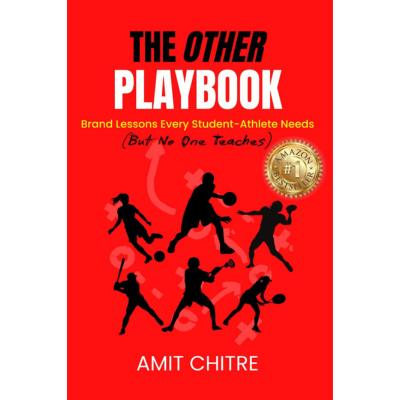
In this episode of Inside Personal Growth, host Greg Voisen sits down with Amit Chitre — communication strategist, founder of R3 Communications, and author of the breakthrough book The Other Playbook: Brand Lessons Every Student-Athlete Needs (But No One Teaches).
Amit’s work bridges the worlds of crisis communication, Fortune 500 leadership training, youth sports, and parenting. And his mission is simple:
teach young athletes how to think, act, and lead with purpose.
Why Personal Branding Matters for Young Athletes
Most people think “branding” is about followers, highlight reels, or school colors.
Amit flips this idea on its head.
In The Other Playbook, he explains that a brand is simply:
“How people feel when they engage with you.”
Athletes at the middle school and high school level are forming habits, attitudes, and social identities that shape their entire future. Yet no one teaches them how to define their values, communicate confidently, or protect their reputation online and offline.
Amit reveals why personal branding is not a marketing skill — it’s a life skill.
The Moment That Changed Everything
The spark for the book came when Amit practiced a corporate branding workshop in front of his sons.
As he walked them through concepts like:
-
clarity
-
values
-
communication
-
reputation
…he realized these weren’t business lessons at all.
They were life lessons every young athlete needed — but would never get in school.
That moment led to the creation of a book that parents, coaches, and athletes are now using nationwide to build discipline, resilience, and purposeful identity.
📘 Read the book here:
The Other Playbook: Brand Lessons Every Student-Athlete Needs (But No One Teaches)
Key Lessons From the Podcast Episode
Here’s what listeners can learn from Amit’s insights:
1. Don’t leave your brand to chance
If young athletes don’t define who they are, others will do it for them.
Reputation becomes an accident instead of a choice.
2. Behavior and consistency matter more than talent
Coaches recruit skill — but they keep character.
Small actions, body language, and consistency shape how others perceive you.
3. Social media is permanent branding
Today’s student-athletes grow up under constant visibility.
Every post can help build — or quietly destroy — their future opportunities.
4. Athletes must know their “customers”
Teammates. Coaches. Recruiters. Teachers. Parents.
Each group sees a different part of the athlete’s identity.
Helping students understand this gives them control over how they show up.
5. Conversations at home matter more than anything
Amit shares powerful experiences guiding his own sons through questions about identity, choices, values, and leadership.
The book gives parents a structure to do the same.
Why This Book Is a Must-Read for Parents & Coaches
If you support a young athlete in any capacity — parenting, coaching, teaching, or mentoring — this book gives you a proven framework to:
-
teach responsibility
-
improve communication
-
strengthen confidence
-
prevent crisis moments
-
build leadership
-
support emotional maturity
More importantly, it helps young athletes imagine the kind of person they want to become.
And it gives them the steps to get there.
👉 Get your copy here:
Buy Now on Amazon
👉 Connect with the author, Amit Chitre:
LinkedIn Profile
Final Thoughts
The Other Playbook is more than a book — it’s a roadmap for raising grounded, self-aware, value-driven young adults in a world that demands more from them than ever before.
Amit Chitre brings heart, wisdom, and decades of real-world experience to help student-athletes build identities that will carry them through college, careers, and life.
If you’re a coach, parent, educator, or athlete — this episode and this book belong on your must-learn list.
You may also refer to the transcripts below for the full transcription (not edited) of the interview.
[fusebox_transcript]











Leave a Reply